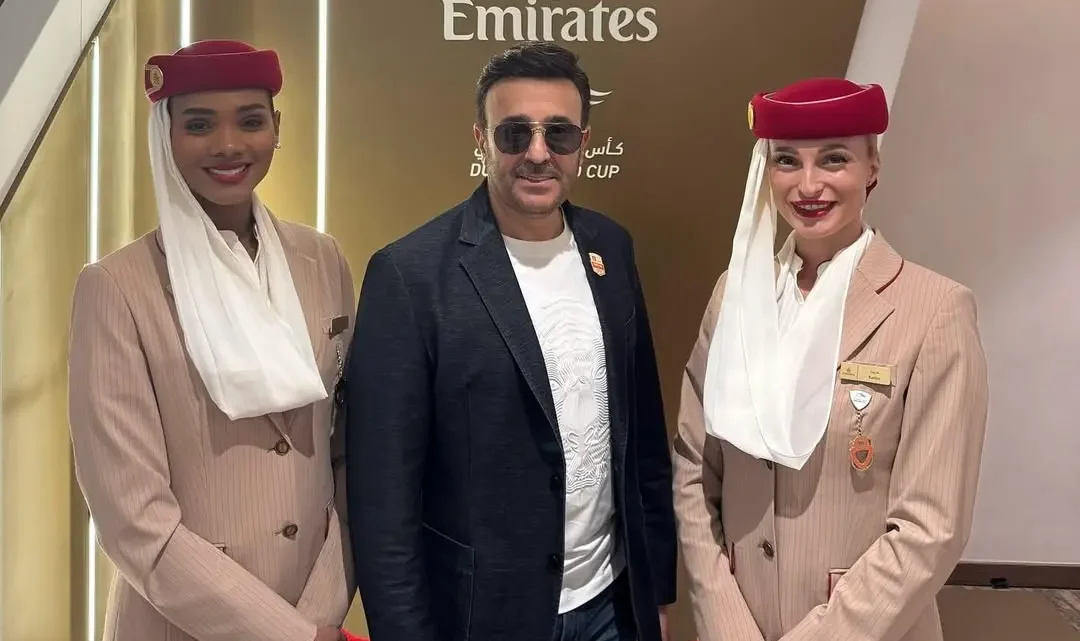
Saber Rebai Biography: Wife, Songs, Age, Parents, Net Worth, Children, Height, Albums
Biography
Saber Rebai (Arabic: صابر الرباعي), born on March 13, 1967, in Sfax, Tunisia, is a renowned Tunisian singer, composer, actor, and musician.
Widely celebrated across the Arab world and beyond, he rose to prominence with his iconic rendition of the Tunisian folk song “Sidi Mansour“, which became one of his signature hits and helped establish him as a major figure in Arabic music.
Trending Now!!:
A multi-instrumentalist on the violin and oud, Rebai began his professional singing career in his late teens, drawing inspiration from legendary artists such as Mohammed Abdel Wahab, Abdel Halim Hafez, and Wadih El Safi.
Over the decades, he has released numerous albums, blending classical Arabic traditions with modern pop elements, and has performed extensively in concerts across the Middle East, Europe, the Americas, and Asia.
Signed to Rotana Records since 2004, he remains active with recent releases like “Shayekh“, “Maza Law?”, and others, maintaining a strong fanbase (over 2 million Instagram followers) and a reputation for authentic, heartfelt performances.
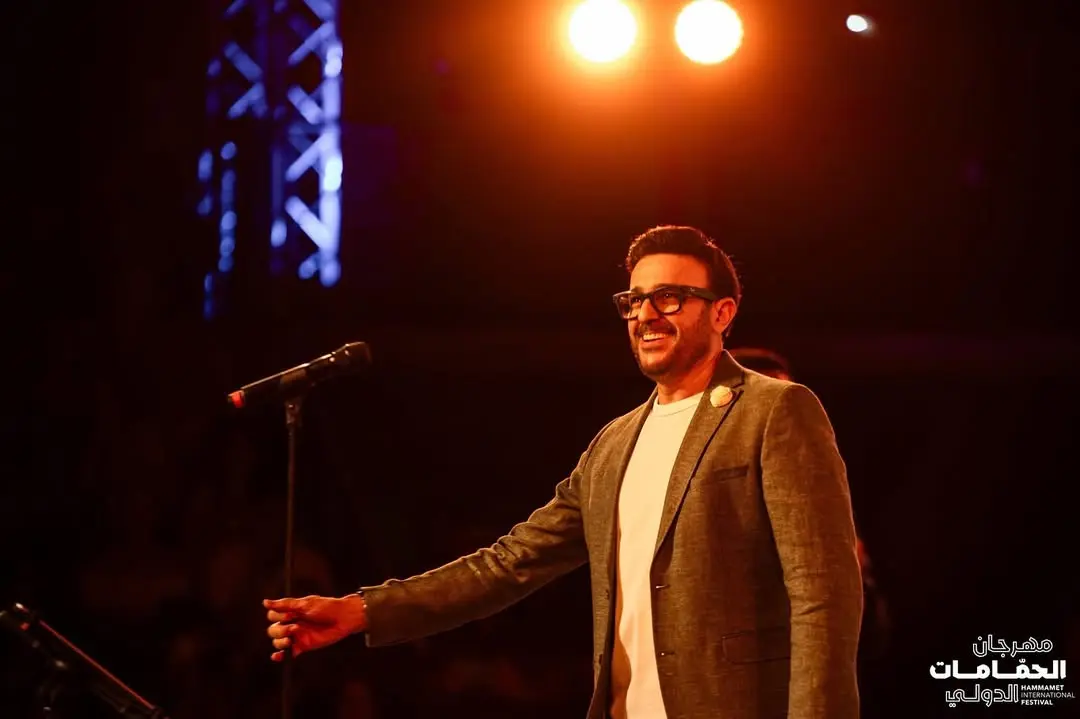
| Tunisian singer, composer, actor, and musician | |
| Saber Rebai | |
|---|---|
 | |
| Wiki Facts & About Data | |
| Real Name: | Saber Rebai |
| Born: | 13 March 1967 (age 58 years old) |
| Place of Birth: | Sfax, Tunisia |
| Nationality: | Tunisian |
| Education: | Higher Institute of Arts |
| Height: | 187 cm |
| Parents: | Mr. and Mrs. Rebai |
| Siblings: | 1 |
| Spouse: | Salmia Al-Faqih (m. ?-2013), Ikhlas Jenifan (m. 2013) |
| Girlfriend • Partner: | Not Dating |
| Children: | Eslam Rebaï, Safa Rebaï, Shaba Rebai, Jude Hédi Rebaï, Amir Rebai |
| Occupation: | Singer • Composer • Actor • Musician |
| Net Worth: | $76 million (USD) |
Early Life & Education
Saber Rebai, a prominent Tunisian singer, actor, and composer, was born on March 13, 1967, in Sfax, Tunisia.
He grew up in a musical family, where he began singing at 12 and launched his professional career by 17.
Rebaï learned singing from his mother, Mrs. Rebaï, and playing the oud from his father, Mr. Rebaï, who was an instrumentalist.
He is the youngest of his siblings, which include a brother who is also a singer.
In terms of ethnicity, Rebaï is Tunisian Arab and has expressed pride in his Yemeni heritage during a 2006 performance in Aden.
As a Tunisian national in a predominantly Muslim country, he is presumed to be Muslim. For education, Rebaï studied music at the Higher Institute of Arts in Tunisia for 7 years, specializing in the oud and mastering the violin.
Career
Saber Rebai began singing at age 12 and launched his professional music career at 17, inspired by famous Arab artists such as Mohammed Abdel Wahab, Abdel Halim Hafez, and Wadih El Safi.
In the late 1980s, he performed at local Tunisian venues, gained early attention through radio and festivals, and won first place in the 1984 “Club des Talents” TV program. His early 1990s albums, including Yalli Bjamalak (1991), Hayyarouni (1996), and Ya Lilla, helped him build a name in Tunisia by mixing traditional malouf and folk music with romantic pop.
He won the Golden Disc at the Tunisian Music Festival in 1996 and the Golden Microphone at the Cairo Music Awards in 1997. His big break came in 2000 with the album Sidi Mansour. The title track, a modern version of a classic Tunisian folk song, became a huge hit across the Arab world and is now considered one of the era’s most iconic Arabic songs.
After signing with Rotana Records in 2004, he released several successful albums, such as Khalas Tarek (2001), Share’ El Gharam (2003), Atahadda Al Aalam (2004), Ajmal Nisa’ Al Dunya (2006), El Ghorba (2007), Waheshni Giddan (2009), Anechid Al Rouh (2018), and more recent works like Yalli Bjamalek (2020) and singles like “Shayekh” and “Maza Law?”.
Rebaï plays violin and oud and has composed some of his own music. He has toured the world, performing in Europe, the United States, Australia, Asia (including South Korea), the Middle East, and at well-known venues such as the Olympia in Paris (2008), the Cairo Opera House, the Carthage Festival, and Mawazine.
He has also been a coach on The Voice Arabia for several seasons and contributed to TV and film soundtracks. Over more than thirty years, he has received many awards, including the Presidential Cultural Award in 2003 for “Sidi Mansour,” Best Arab Singer in Beirut in 2004, the Arab Music Festival Award, and the title “Prince of Arab Tarab” for his emotional performances, musical range, and ability to blend classical Arabic music with modern styles.
Social Media
- Wikipedia: Saber Rebai
- Instagram: Saber Rebai (@saberrebai)
- Facebook: Saber Rebai / صابر الرباعي
Personal Life
Saber Rebaï, born on March 13, 1967, in Sfax, Tunisia, is currently 58 years old.
He has been married twice; his first marriage was to Salmia Al-Faqih, a Tunisian banker with a doctorate in business administration and marketing who managed a bank branch in Tunisia, and they divorced in March 2013 after an unsuccessful reconciliation attempt initiated by Rebaï.
He remarried in the summer of 2013 to Ikhlas Jenifan, also Tunisian, who is his current wife.
Rebaï has five children: from his first marriage, son Islam Eslam Rebaï and daughter Safa Rebaï; from his second marriage, son Jude Hédi Rebaï (born 2014), son Amir Rebaï (born November 2016), and daughter Shaba Rebaï (born May 2020).
His height is 187 cm / 6’2″.
Net Worth
Saber Rebaï, the renowned Tunisian singer and composer, has an estimated net worth of $76 million.
This substantial fortune reflects his decades-long success in music, including blockbuster hits like “Sidi Mansour,” high-profile international tours, lucrative private performances (particularly in the Gulf region), album sales through Rotana Records, live concerts at prestigious venues, and additional income from acting, composition, and media appearances, such as coaching on The Voice Arabia.
While online estimates from platforms like YouTube analytics or social media earnings suggest lower figures (often in the hundreds of thousands), these primarily capture digital revenue and do not account for his overall career earnings from live events, endorsements, and long-term industry prominence, which contribute significantly to the higher valuation.
Discography
- Early works: Hayyarouni (حيّروني), Ya Lilla (يا للا), Yalli Bjamalak (ياللي بجمالك, around 1991–1996)
- Breakthrough: Sidi Mansour (سيدي منصور, 2000) — featuring his signature hit
- Khalas Tarek (خلص تارك, 2001)
- Share’ El Gharam (شارع الغرام, 2003)
- Atahadda Al Aalam (أتحدّى العالم, 2004)
- Ajmal Nisa’ Al Dunya (أجمل نساء الدنيا, 2006)
- El Ghorba (الغربة, 2007)
- Waheshni Giddan (واحشني جدا, 2009)
- Saber 2011 (صابر ٢٠١١)
- Agmal Mokhtasar (أجمل مختصر, 2014)
- Anechid Al Rouh (أنشد الروح, 2018)
- Saber 2019 (صابر ٢٠١٩)
- Yalli Bjamalek (ياللي بجمالك, 2020)
- Rohit Wi Jeet (رحت وجيت, 2026)
He has also released many singles and EPs in recent years, such as “Shayekh” (شايخ, 2025), “Maza Law?” (ماذا لو؟, 2025), “Alash” (علاش, 2025), “La Moustahila” (لا مستحيلا, collaborative), and others like “Barsha,” “Athadda Al Aalam,” and live recordings.
As an actor and in media, Rebaï has appeared in TV series including Amwaj (1994), Sayd Al-Reem (2008), Thahab Wa Awda (2015), and Awlad El Ghoul (2021), often contributing music or performing. He served as a coach on The Voice Arabia (MBC The Voice) for multiple seasons (2012–2015 and beyond) and has provided music for various projects, including soundtracks and live performances.
What People Ask
NOTICE!! NOTICE!! NOTICE!!
At TheCityCeleb, we strive to provide accurate and up-to-date biographies and entertainment news, focusing on celebrities. Our editorial team researches information from reputable sources, including interviews, official statements, and verified media.If you spot an error or have additional details, please contact us at editor@thecityceleb.com. We value your feedback and are committed to maintaining trustworthy content.