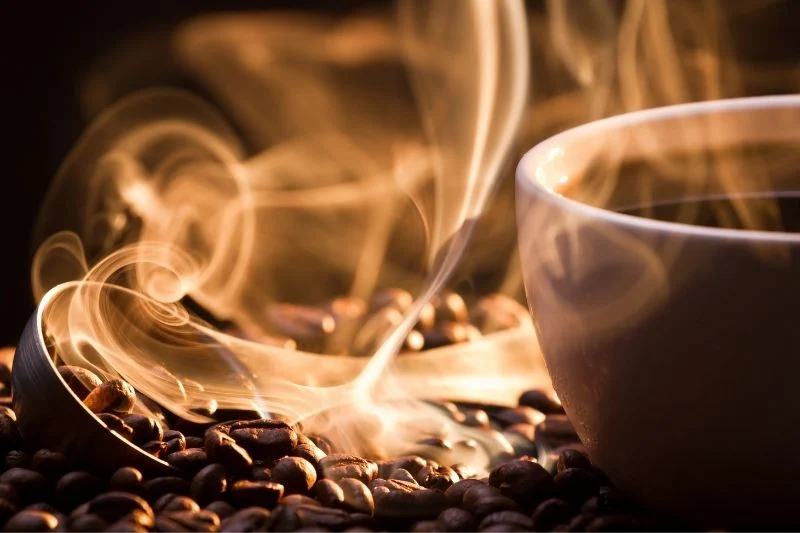
Why Coffee Aroma Matters So Much
The scent of freshly brewed coffee reaches people long before the first sip, and for many it defines the entire ritual. Aroma carries an emotional weight that few other sensory experiences match, signaling warmth, focus, and comfort within seconds.
While flavor tends to receive most of the attention, the smell of coffee does much of the heavy lifting when it comes to enjoyment. Understanding why aroma holds such influence reveals a great deal about how taste, memory, and daily habits intertwine around a single cup.
Trending Now!!:
The Science Behind Coffee’s Complex Scent
Coffee owes its distinctive aroma to hundreds of volatile compounds released during roasting and brewing.
These molecules form as heat transforms sugars, acids, and proteins inside the bean, producing notes that range from caramel and chocolate to floral and nutty. When hot water meets ground coffee, these compounds lift into the air and travel toward the nose, delivering an impression of the drink before anything touches the tongue.
What makes this scent so remarkable is its sheer diversity. No single molecule defines coffee; instead, the aroma emerges from a delicate balance of many components working together.
Small shifts in roast level, grind size, or water temperature can alter that balance, which is why two cups made from the same origin can smell noticeably different. The table below outlines some of the key aromatic compounds and the characteristic notes they contribute.




| Aromatic Compound | Characteristic Note |
|---|---|
| Furans | Sweet, caramel-like scent |
| Pyrazines | Roasted, nutty, earthy tones |
| Guaiacol | Smoky, spicy warmth |
| Aldehydes | Fruity, green, floral hints |
| Ketones | Buttery, honeyed richness |
How Aroma Shapes the Perception of Flavor
Much of what people describe as taste actually originates in the nose. The tongue detects only a handful of basic sensations, while aroma supplies the nuance that gives coffee its character.
As liquid warms in the mouth, volatile compounds rise through the back of the throat toward the olfactory receptors, a process known as retronasal olfaction. This is why a cold or blocked nose flattens the entire experience.
Because scent and flavor are so tightly linked, aroma often sets expectations that guide the rest of the tasting. A rich, inviting smell primes the brain to anticipate depth and sweetness, subtly enhancing satisfaction. This connection explains why aroma is frequently the first quality that professional tasters evaluate, long before they consider body or aftertaste.
The Role of Memory and Emotion
Smell holds a direct connection to the regions of the brain that manage memory and emotion. A single whiff of coffee can transport someone back to a childhood kitchen, a favorite café, or a quiet morning routine. These associations shape preference in ways that pure flavor rarely can, embedding coffee into personal history and daily rhythm. A few of the ways scent forges these lasting connections include:
- Triggering vivid recollections of specific people, places, or past moments.
- Evoking feelings of safety and comfort tied to familiar surroundings.
- Reinforcing habits by linking a scent to a particular time of day.
- Strengthening emotional bonds formed while sharing coffee with others.
This emotional pull helps explain why the aroma alone can feel comforting even before caffeine takes effect. The anticipation built by scent contributes to the sense of reward that keeps the ritual so cherished across cultures and generations.
Everyday Rituals Built Around Scent
For countless people, the smell of coffee marks the transition from sleep to alertness, functioning almost as a signal that the day has truly begun.
This is one reason the aroma feels so tied to productivity and calm, even independent of the drink itself. The scent becomes a cue that prepares both mind and body for the hours ahead.
The way aroma weaves into routines can be observed in several familiar patterns that shape how people relate to their morning cup. These habits show how deeply scent is embedded in daily life:
- The moment coffee begins brewing often becomes a pause for reflection or planning.
- Shared aromas in cafés and offices create a sense of connection and familiarity.
- The scent lingering in a home can influence mood long after the cup is finished.
Ritual and expectation frequently work hand in hand in leisure settings, much like the atmosphere cultivated around entertainment venues where sensory cues set the tone.
The same principle guides how FS Casino designs its ambiance and anticipation to heighten enjoyment, echoing the way a well-prepared cup uses aroma to frame the moments that follow. In both cases, the surrounding sensory details shape how the core experience is received and remembered.
Factors That Influence Aroma Intensity
Not all coffee delivers the same olfactory impact, and several variables determine how powerful and pleasant the scent becomes.
Freshness stands out as the most decisive factor, since roasted beans gradually lose their volatile compounds through oxidation. Grinding just before brewing preserves far more of the aromatic potential than using pre-ground coffee that has sat exposed to air.
Brewing method also plays a substantial part in how aroma is expressed. Methods that use hotter water or higher pressure tend to release scent more forcefully, while gentler techniques may produce a more delicate profile.
To make sense of these influences, the following overview highlights how common variables affect the aromatic experience.
| Factor | Effect on Aroma |
|---|---|
| Bean freshness | Fresher beans release fuller, more vibrant scent. |
| Grind timing | Grinding just before brewing retains volatile compounds. |
| Roast level | Darker roasts emphasize bold, roasted notes. |
| Water temperature | Higher heat lifts aroma more intensely. |
| Storage conditions | Airtight, cool storage slows aromatic loss. |
Attention to these details allows the aroma to reach its full expression, ensuring the cup smells as good as it tastes. Even small adjustments in preparation can noticeably enrich the sensory reward of each serving.
Why the Scent Deserves Greater Appreciation
Aroma functions as far more than a pleasant introduction to coffee; it is central to how the drink is understood and enjoyed.
From the volatile compounds born during roasting to the deep ties between smell, memory, and emotion, scent influences perception at every stage. It sets expectations, enhances flavor, and anchors coffee within personal rituals in ways that pure taste cannot achieve alone.
Recognizing the importance of aroma encourages a fuller appreciation of what a cup of coffee truly offers. The scent that fills a room each morning is not merely a byproduct of brewing but a meaningful part of the experience, shaping comfort, focus, and the quiet pleasure that so many associate with their daily cup.