Aboki Naira to Dollar Black Market Exchange Rate Today, 18th October 2026
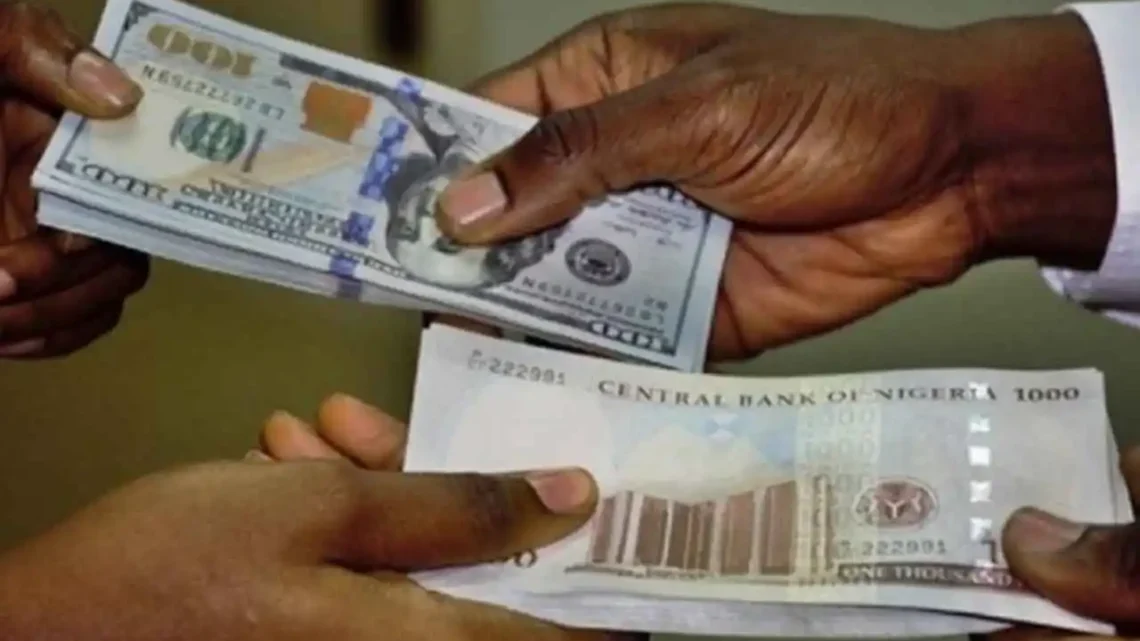
Bureau de Change operators and street dealers in Nigeria’s parallel market quoted the US dollar at approximately ₦1,375 when buying cash from the public and ₦1,390 when selling on Sunday, 18 October, according to indications from Lagos, Abuja, Kano and Port Harcourt.
The ₦15 spread held steady from Saturday’s levels, though individual quotations continued to shift slightly depending on deal volume, location and time of day.
Trending Now!!:
A person selling $100 would therefore collect roughly ₦137,500, while someone buying the same amount would pay close to ₦139,000. At these levels, $500 would exchange for about ₦687,500 on the sell side and ₦695,000 on the buy side, and $1,000 would move at ₦1,375,000 and ₦1,390,000 respectively. These figures are indicative and exclude any extra fees that particular operators may charge.
The parallel-market range showed little movement compared with the previous day’s quotations, offering a degree of continuity for importers, travelers and households meeting overseas obligations, even on a Sunday when formal market activity is limited.
At the official Nigerian Foreign Exchange Market, the naira last traded near ₦1,332 to ₦1,334 per dollar, leaving a street premium of roughly ₦56 to ₦58 (about $0.04), or a little over 4 percent.
The margin has remained relatively moderate by recent standards, supported by improved official liquidity and the continued efforts of the Central Bank of Nigeria to narrow the gap between the formal and informal segments. External reserves and oil-related receipts continue to underpin the official window, but many individuals and businesses that cannot obtain dollars at the official rate still turn to cash transactions in the Aboki market.




Ongoing demand from manufacturers sourcing raw materials, students covering foreign tuition and residents transferring funds abroad remains the primary driver of street prices. Inflows from diaspora remittances and dollars offered by authorized dealers can ease upward pressure.
Any sudden increase in import demand or dip in supply can move the rate within hours. Parallel-market prices are not fixed and often change during the day, so anyone intending to exchange currency is advised to verify the current figure with a trusted dealer rather than rely only on published averages.
The rates circulating for 18 October reflect a morning snapshot of the Aboki market and remain subject to the daily fluctuations that characterize Nigeria’s informal foreign-exchange trade.