20 Legendary Country Bands That Rewrote the Sound of the Genre
From western swing orchestras to gospel quartets to stadium-filling jam bands, these are the groups and duos that proved country's biggest sound could belong to more than one voice.
Country music built its commercial identity on the solo star: the honky-tonk singer, the outlaw troubadour, the rhinestone-suited entertainer standing alone at the microphone.
Bands existed on the margins for decades, treated as backing units rather than headline acts. That changed because a handful of groups proved audiences would fill arenas for a self-contained unit with its own name, its own harmony blend, and its own sound. The following 20 acts did not simply have hits.
Trending Now!!:
They changed what a country group was allowed to be, from western swing orchestras to four-part gospel harmonizers to the stadium-filling jam bands of the 2010s.
The Carter Family
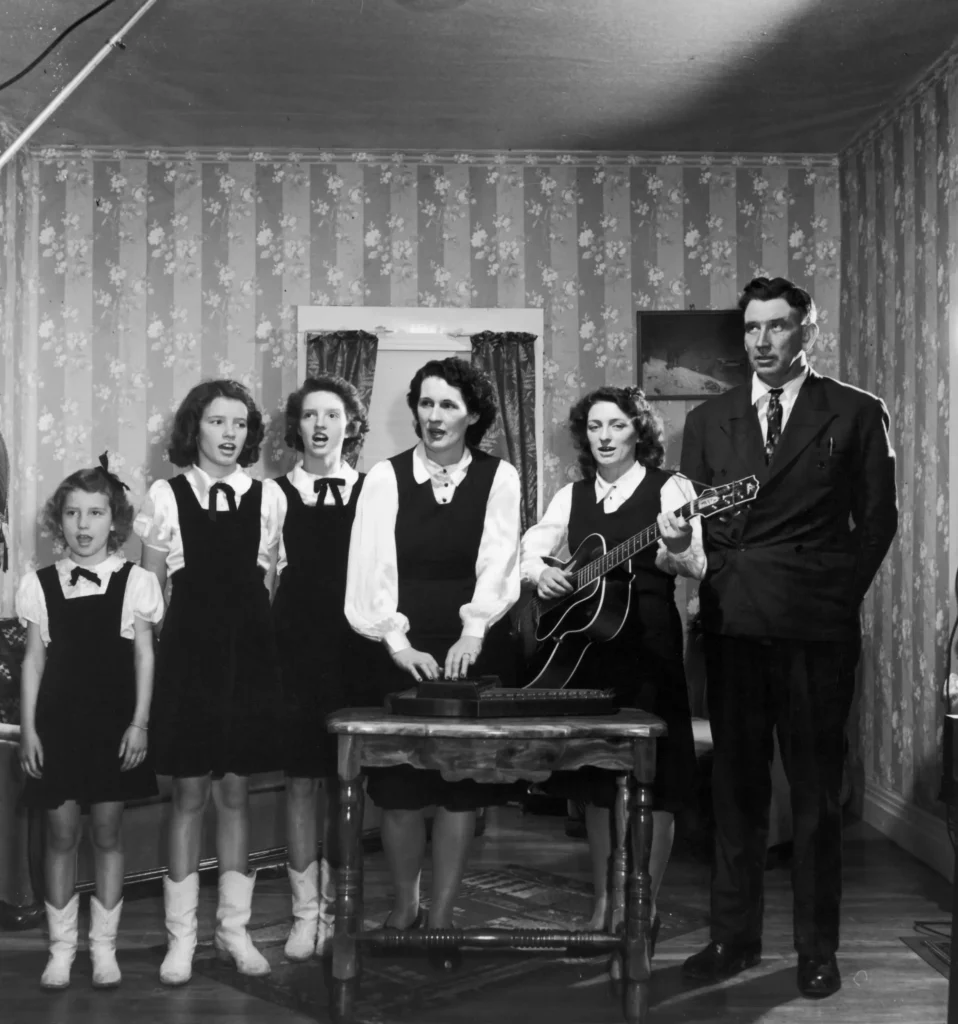
Before there was a country music industry, there was the sound this trio helped invent. The Carter Family, made up of A.P. Carter, his wife Sara Carter, and her cousin Maybelle Carter, recorded their first sides during the 1927 Bristol Sessions in Tennessee, an event historians frequently cite as the commercial birth of country music.
Maybelle Carter’s guitar style, playing melody on the bass strings while strumming rhythm on the treble strings, became known as the Carter Scratch and remains a foundational technique for acoustic guitarists across country, bluegrass, and folk.
Their catalog of Appalachian ballads, hymns, and original compositions, including “Wildwood Flower” and “Keep on the Sunny Side,” established the template of close family harmony that later groups from The Judds to The Chicks would build careers on.
Sons of the Pioneers
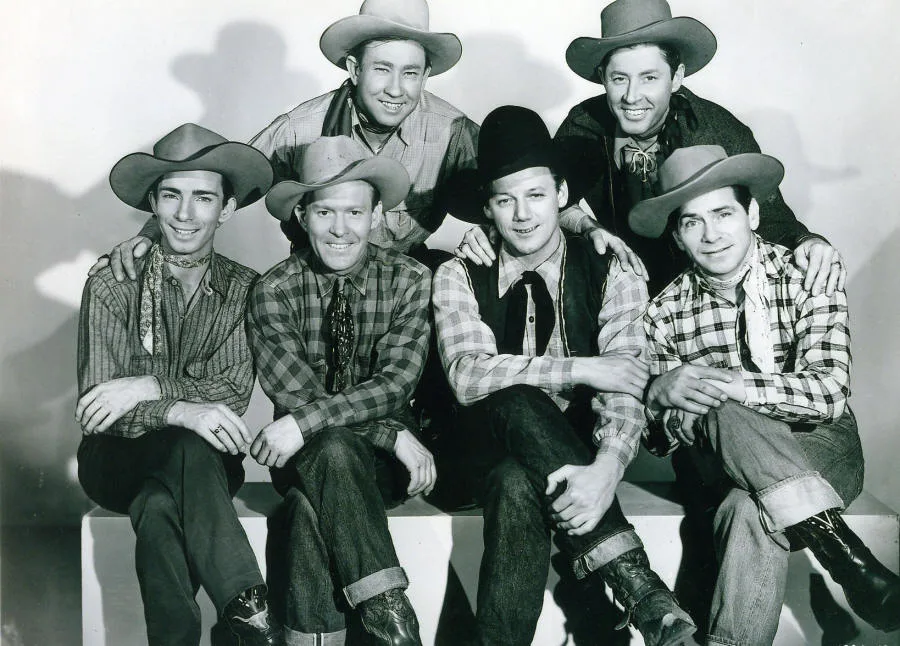
Formed in 1933 in Los Angeles by Leonard Slye (who would later become famous as Roy Rogers), Bob Nolan, and Tim Spencer, Sons of the Pioneers created the sound of the American West as popular music.
Their close vocal harmonies paired with Nolan’s evocative songwriting on tracks like “Tumbling Tumbleweeds” and “Cool Water” defined the singing cowboy genre that dominated films and radio through the 1940s.
The Country Music Association inducted the group into its Hall of Fame in 1980, calling them “America’s premier western singing group.” More than 40 musicians have rotated through the lineup since 1933, and the group continued performing for decades afterwards, an unbroken run that few acts in any genre can claim.
Bob Wills and His Texas Playboys
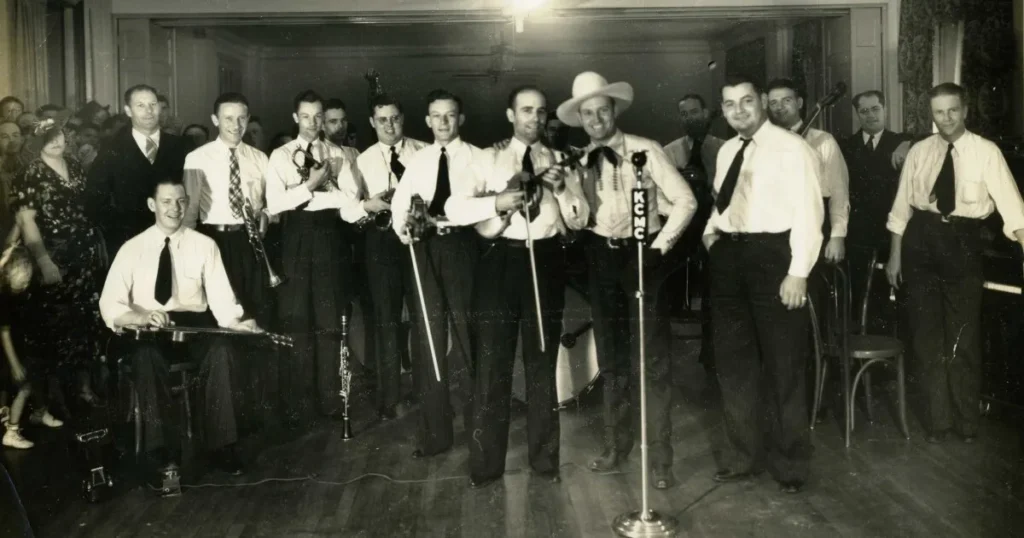
Western swing needed a bandleader who could fuse fiddle-driven string band music with the horn sections and swing rhythms of big band jazz, and Bob Wills built exactly that machine. Bob Wills and His Texas Playboys grew to include as many as 18 musicians at their peak in the 1940s, blending steel guitar, brass, and drums in a lineup that scandalized traditionalists and thrilled dance hall crowds across Texas and Oklahoma.
Wills’s signature vocal interjections and the band’s genre-crossing instrumentation influenced everyone from Merle Haggard to Asleep at the Wheel, and “San Antonio Rose” remains one of the most covered songs in American music. The band proved that a country act could be a full orchestra rather than a stripped-down string ensemble.
Asleep at the Wheel
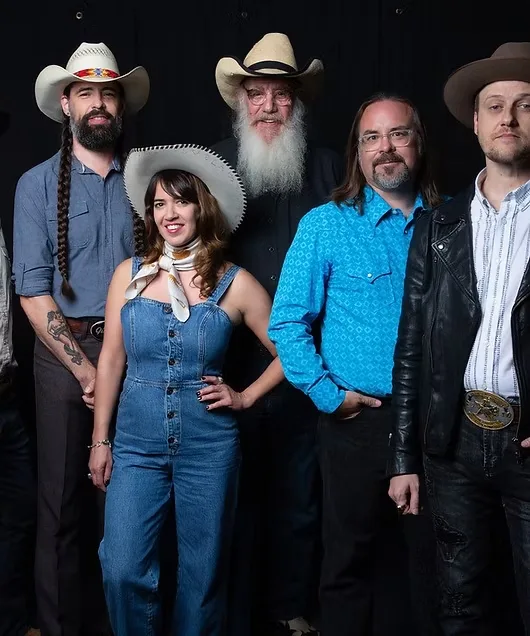
Formed in 1970 in Paw Paw, West Virginia, and later relocated to Austin, Texas, Asleep at the Wheel kept western swing alive for a new generation and turned it into a career-spanning mission rather than a nostalgia act.
Led by founder Ray Benson, the group has won nine Grammy Awards and released more than 20 albums, including three full-length tributes to Bob Wills. Their commitment to a genre that had largely disappeared from mainstream country radio by the 1970s gave younger fans a direct line to the sound’s origins.
The band’s continued touring and recording decades after its formation shows how a defined musical mission can sustain a group across generational shifts in the industry.
The Statler Brothers
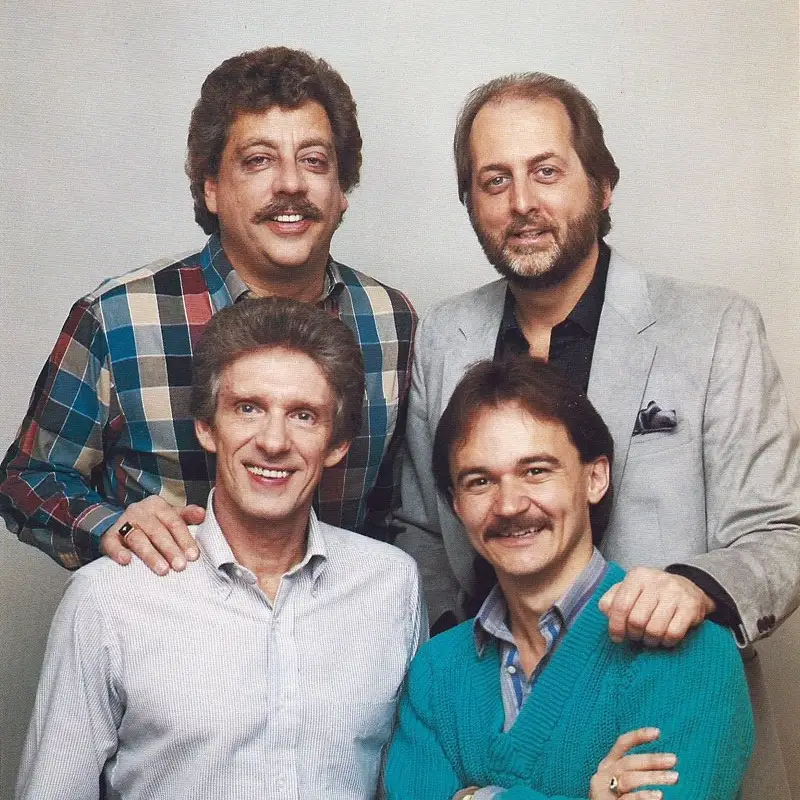
Named after a box of tissues rather than any actual Statler, this Virginia quartet proved that four-part gospel harmony had commercial appeal in secular country music. The Statler Brothers, made up of Harold Reid, Don Reid, Phil Balsley, and Lew DeWitt (later replaced by Jimmy Fortune), built their reputation as regulars on The Johnny Cash Show before racking up eleven Top Ten records through the 1970s, including “The Class of ’57” and “Do You Know You Are My Sunshine.”
They won the CMA’s Vocal Group of the Year award six consecutive years from 1972 to 1977, then again in 1979, 1980, and 1984. Their own show on The Nashville Network, which ran from 1991 to 1997, extended their reach into television and demonstrated a crossover strategy that later groups would study closely.
The Oak Ridge Boys have credited the Statlers with opening the door for country audiences to embrace quartet singing.
The Oak Ridge Boys
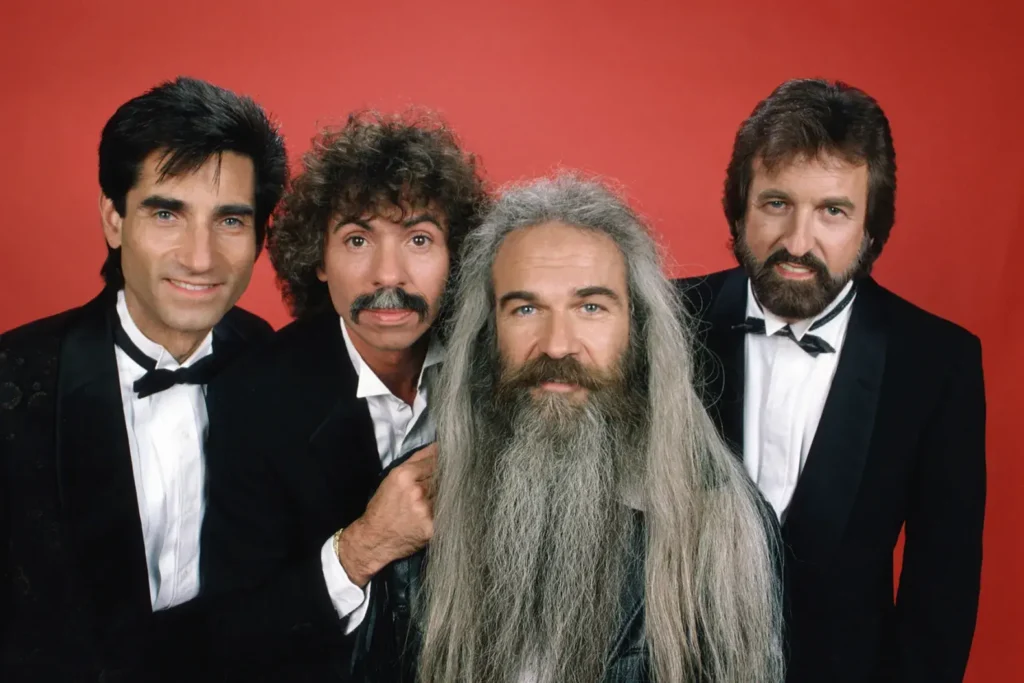
The Oak Ridge Boys made the leap from gospel quartet to mainstream country stardom, a transition that members including William Lee Golden have described as controversial within the gospel industry they were leaving behind.
Their 1977 album Y’All Come Back Saloon marked the pivot, and by 1981 the novelty hit “Elvira” had climbed to number one on the country chart and number five on the pop chart, eventually winning a Grammy Award for Best Country Vocal Performance by a Duo or Group.
The group’s stage presence, honed through years of competitive gospel touring, became a defining trait: critics have called them the “Beach Boys of country music” for their vocal blend and showmanship.
With 17 number one hits and induction into the Country Music Hall of Fame, the Oak Ridge Boys, whose classic lineup included Duane Allen, Joe Bonsall, Richard Sterban, and Golden, demonstrated that a group could carry pop crossover appeal without abandoning its harmony-driven identity.
Alabama
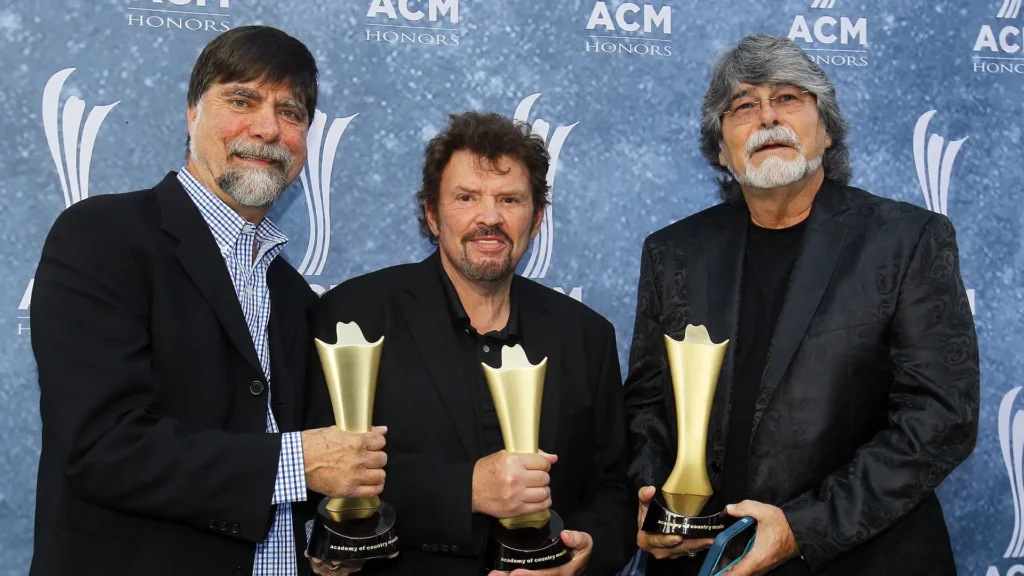
No act did more to legitimize the self-contained country band than Alabama. Formed in 1969 in Fort Payne, Alabama, by cousins Randy Owen, Teddy Gentry, and Jeff Cook, the group spent a decade playing tips-only gigs at a Myrtle Beach club called The Bowery before RCA Records signed them in 1980.
What made Alabama different from vocal groups like the Statler Brothers or the Oak Ridge Boys was that the members, along with drummer Mark Herndon, played their own instruments on the road, a rock-and-roll formula that had never been proven viable in country music at that scale.
The group’s first RCA single, “Tennessee River,” became their first number one hit in 1980 and launched a run of 21 consecutive chart-toppers. Alabama won the CMA’s Entertainer of the Year award for three consecutive years from 1982 to 1984, a feat no other group has matched, and the ACM’s Entertainer of the Year award five times between 1982 and 1986.
The Country Music Hall of Fame credits Alabama with opening the door for the group acts who followed, specifically naming Lonestar, The Mavericks, Restless Heart, Sawyer Brown, and Shenandoah as direct beneficiaries of the template Alabama established.
Exile
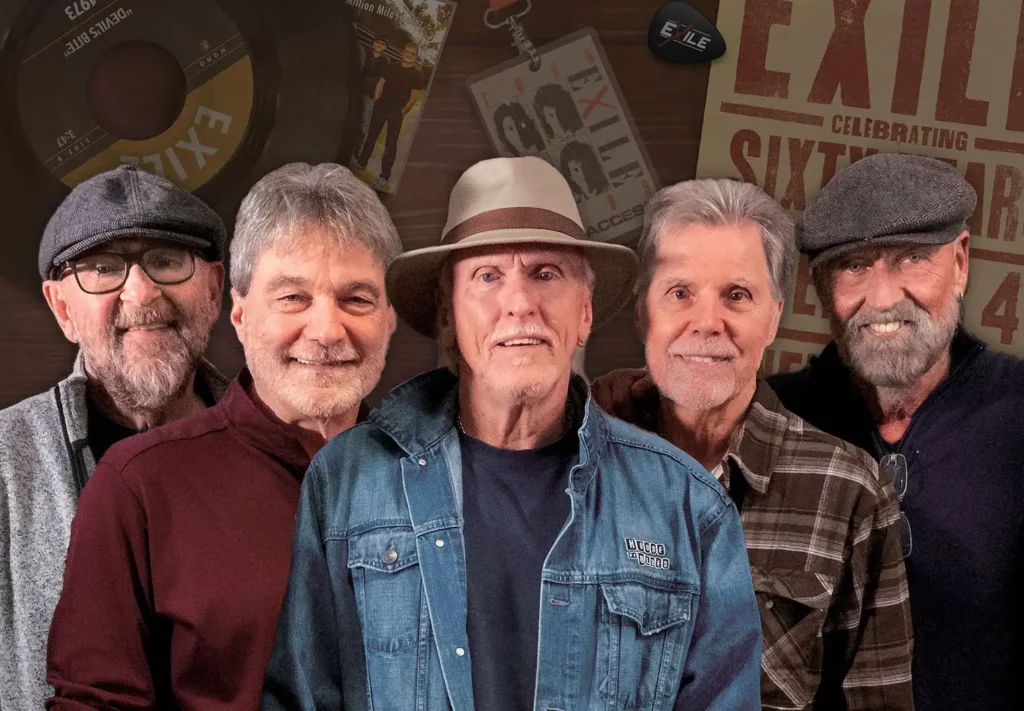
Before becoming a country act, Exile had already scored a number one pop hit with “Kiss You All Over” in 1978. The Kentucky-based band’s pivot to country in the early 1980s, led by singer J.P. Pennington and songwriter Sonny LeMaire, gave the genre one of its clearest examples of a rock and pop act successfully rebranding for a country audience without losing its instrumental identity.
Hits like “Woke Up in Love” and “Give Me One More Chance” topped the country charts, and the band’s ability to write and self-produce material distinguished it from groups that relied on outside songwriters and Nashville session players.
Exile’s crossover trajectory offered a working blueprint that later crossover acts, from Zac Brown Band to Florida Georgia Line, would follow in reverse or in parallel decades later.
Restless Heart
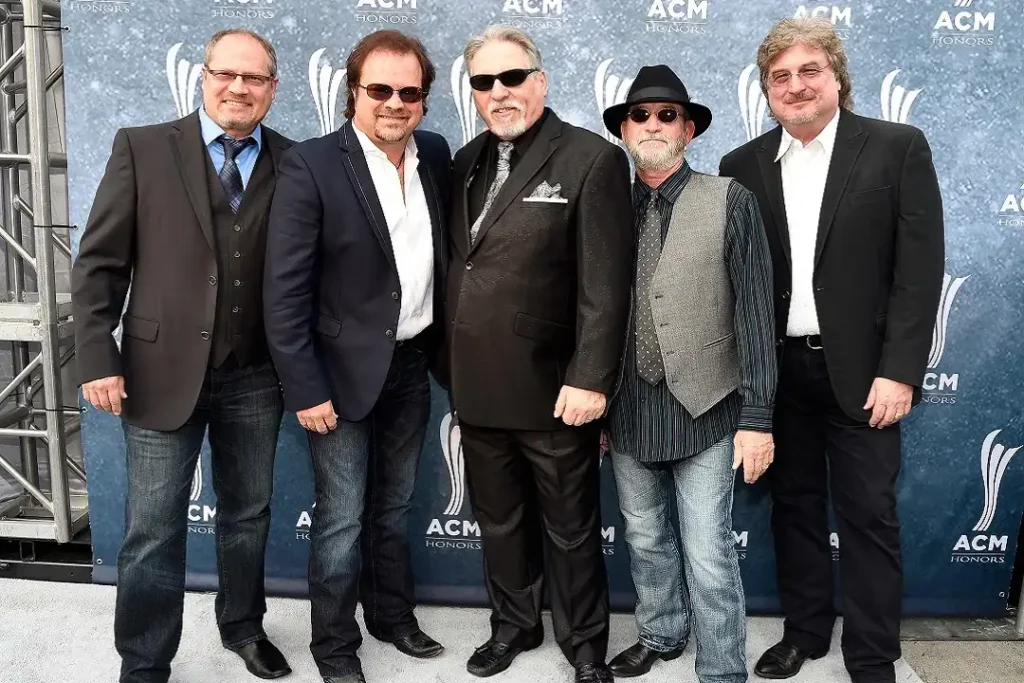
Formed in 1984, Restless Heart became one of the first self-contained bands to secure a major-label Nashville deal in the wake of Alabama’s success, and the group’s smoother, more pop-inflected harmonies pointed toward the sound country radio would embrace heavily in the 1990s.
Hits including “I’ll Still Be Loving You” and “Bluest Eyes in Texas” showcased vocalist Larry Stewart’s tenor against tight instrumental arrangements, a formula that influenced the vocal-forward, radio-friendly group sound later perfected by acts like Little Texas and Diamond Rio.
Restless Heart’s run of number one singles through the mid-to-late 1980s helped prove that Alabama’s breakthrough was not an isolated anomaly but the start of a genuine commercial category.
Sawyer Brown
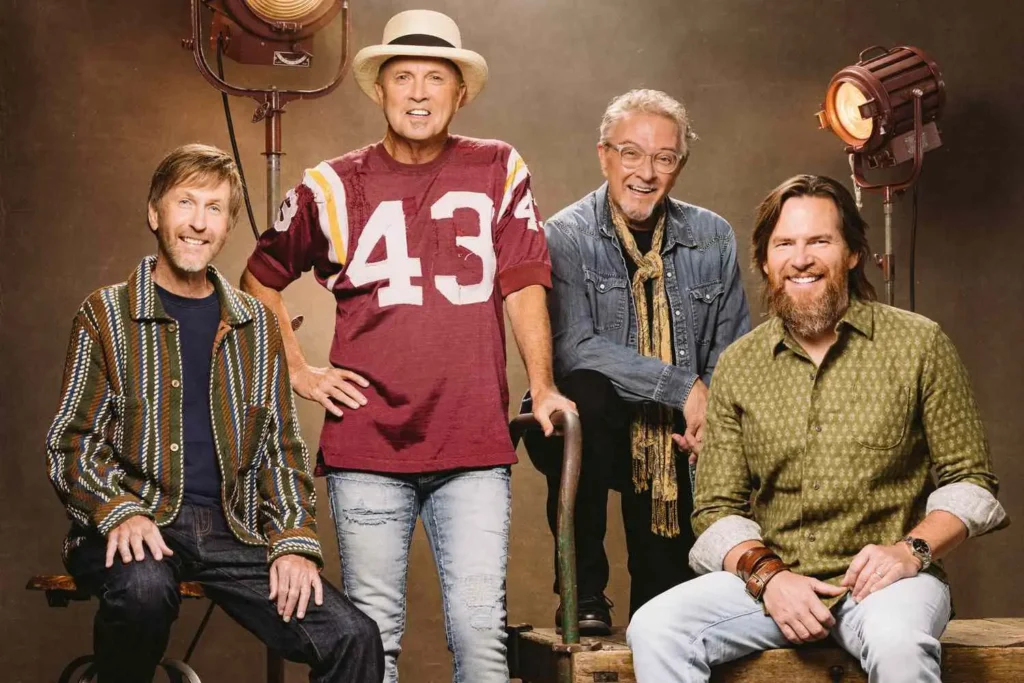
Sawyer Brown announced itself to the country audience by winning the television talent competition Star Search in 1983, a moment that gave the band a national platform most country acts of the era never received.
Frontman Mark Miller’s energetic stage presence and the group’s willingness to incorporate uptempo, almost rock-show theatrics into their live sets distinguished them from the more restrained showmanship of vocal-harmony groups.
The band charted hits across four decades, an unusually long commercial run that reflects the group’s consistent touring schedule and its ability to adapt its sound through changing country radio trends without disbanding or rebranding.
Diamond Rio
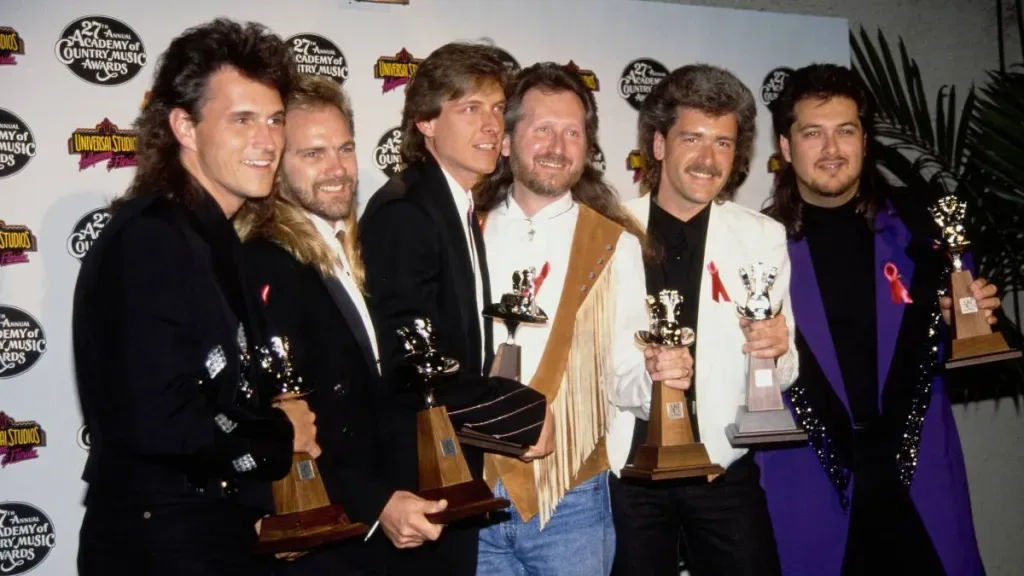
Diamond Rio made history in 1991 when “Meet in the Middle” became the first debut single by a country group to reach number one on the Billboard country chart.
That achievement mattered because it proved a new band, without a built-in solo star’s name recognition, could break through purely on the strength of ensemble musicianship and harmony. The band, led by vocalist Marty Roe, whose lineup remained largely unchanged for decades, built a reputation as accomplished instrumentalists in addition to vocalists, a combination that helped the group win the CMA’s Vocal Group of the Year multiple times through the 1990s.
Diamond Rio’s steady, decades-long consistency offered a counterpoint to the more volatile lineup churn that affected many of their contemporaries.
The Kentucky Headhunters
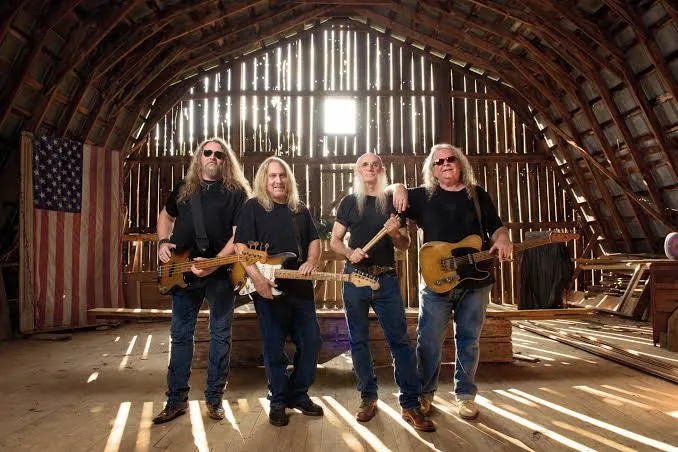
Few bands blurred the line between country and southern rock as aggressively as The Kentucky Headhunters.
Formed from the remnants of a band called Itchy Brother that brothers Fred Young and Richard Young had played in since 1968 with cousins Greg Martin and Anthony Kenney, the Headhunters broke through with 1989’s Pickin’ on Nashville, a double-platinum debut that won the CMA’s Album of the Year award, a rare honour for a debut release.
The group won the CMA’s Vocal Group of the Year in both 1990 and 1991 and took home a Grammy Award for Best Country Performance by a Duo or Group with Vocal. Their blues-rock guitar tone and unpolished, jam-oriented arrangements were a deliberate rejection of the slicker Nashville production standards of the era, and the band’s willingness to sound raw rather than radio-safe expanded what country audiences would accept sonically.
Shenandoah
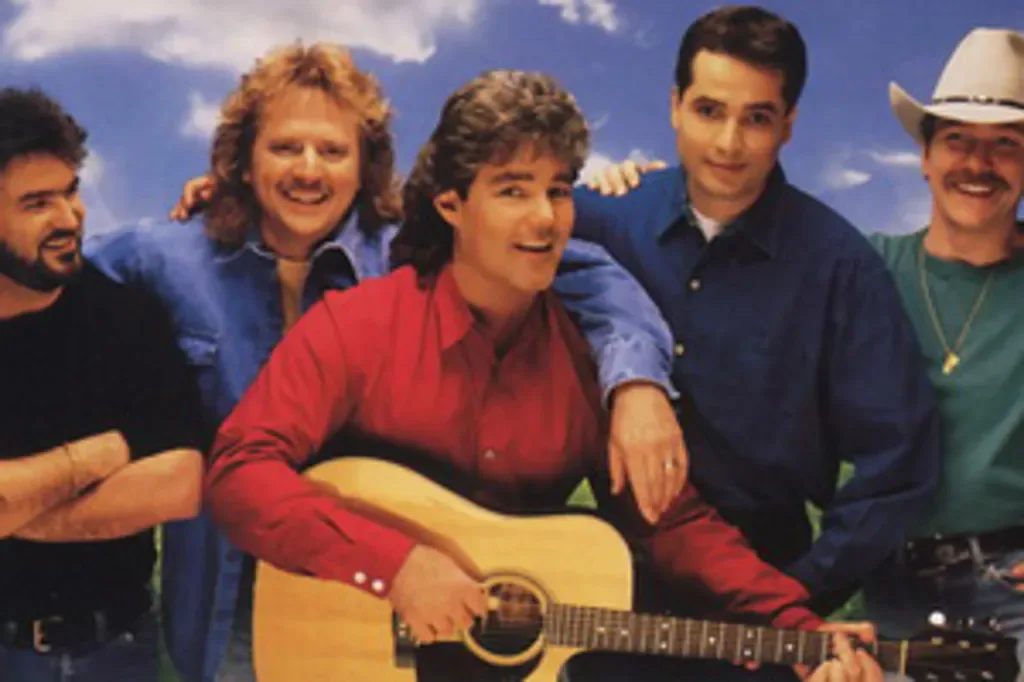
Formed in 1984 out of the Muscle Shoals, Alabama, session scene, Shenandoah brought a soulful, R&B-inflected edge to country harmony that distinguished the group from its more straightforwardly pop-country peers.
Songs like “The Church on Cumberland Road” and “Two Dozen Roses” topped the country charts in the early 1990s, and lead singer Marty Raybon’s expressive vocal delivery drew comparisons to soul singers as much as to country traditionalists.
The band’s roots in a recording hub famous for R&B and rock production, rather than in Nashville proper, help explain why Shenandoah’s sound carried a different texture than acts that came up strictly through the Nashville songwriter and session system.
Brooks & Dunn
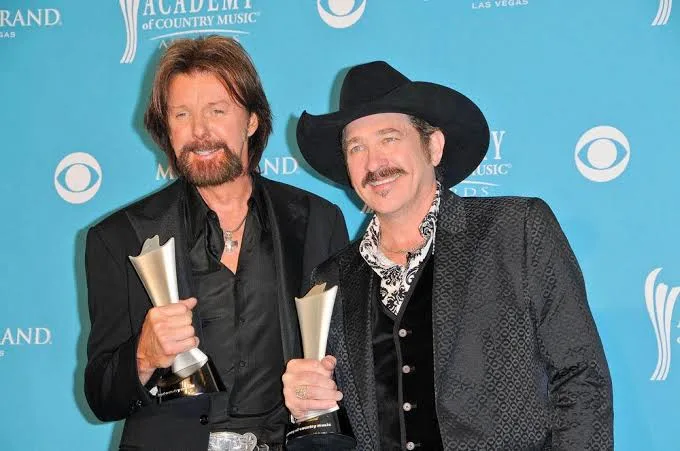
Producer Tim DuBois paired two struggling solo artists, Kix Brooks and Ronnie Dunn, into a duo in the late 1980s, and the resulting act became the most commercially successful duo in country music history.
Brooks & Dunn released their debut album, Brand New Man, in 1991, which went on to be certified sextuple platinum by the RIAA. The duo’s blend of Brooks’s honky-tonk showmanship and Dunn’s powerful, blues-inflected voice produced 20 number one hits, and their line-dance anthem “Boot Scootin’ Boogie” became a genuine cultural phenomenon in country dance halls nationwide.
Brooks & Dunn won the CMA’s Vocal Duo of the Year award every year from 1992 to 2006 except one, a level of sustained dominance that remains unmatched by any other duo in the genre’s history, and the pair were inducted into the Country Music Hall of Fame in 2019.
Lonestar
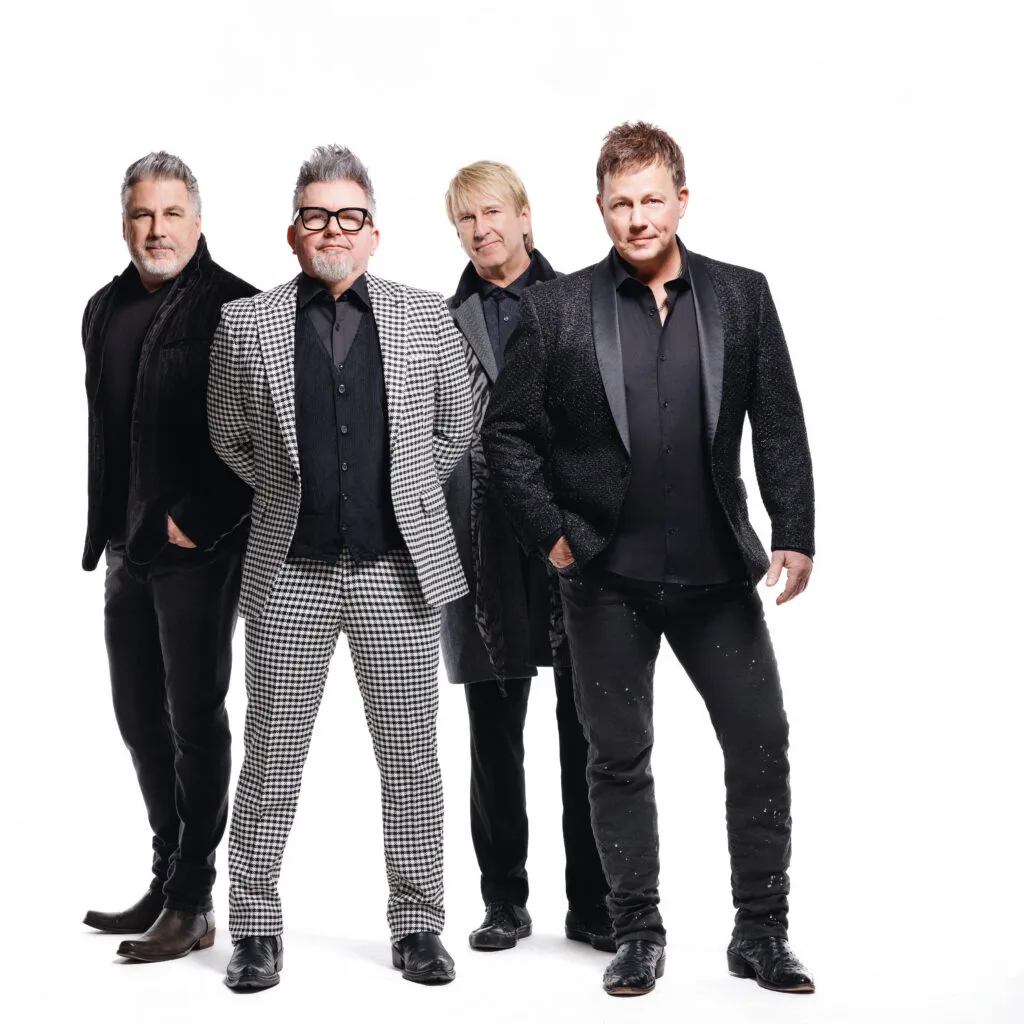
Lonestar formed in 1992 and, according to the Country Music Hall of Fame, belongs to the wave of self-contained bands whose commercial viability traces directly back to Alabama’s breakthrough more than a decade earlier.
The group’s biggest hit, “Amazed,” crossed over to the pop charts in 1999 and became one of the best-selling country singles of its era, demonstrating that a band-format country act could still achieve the kind of mainstream crossover that had once seemed reserved for solo stars like Shania Twain and Garth Brooks.
Lonestar’s ability to move between traditional country instrumentation and radio-ready pop production reflected the genre’s broader commercial strategy heading into the 2000s.
The Mavericks
Formed in Miami in 1989, The Mavericks brought a genre-blending sensibility that set them apart from nearly every other act on this list.
Frontman Raul Malo’s rich baritone and the band’s incorporation of Tejano rhythms, rockabilly, and Roy Orbison-style balladry produced a sound that critics often described as country’s answer to the Latin and rock crossovers happening elsewhere in American pop music during the 1990s.
The Mavericks never reached the commercial dominance of their more mainstream peers on country radio. Yet, they earned deep critical respect and a devoted following, and their willingness to fuse traditions outside the standard Nashville formula influenced a generation of Americana and alt-country acts that followed.
Little Big Town
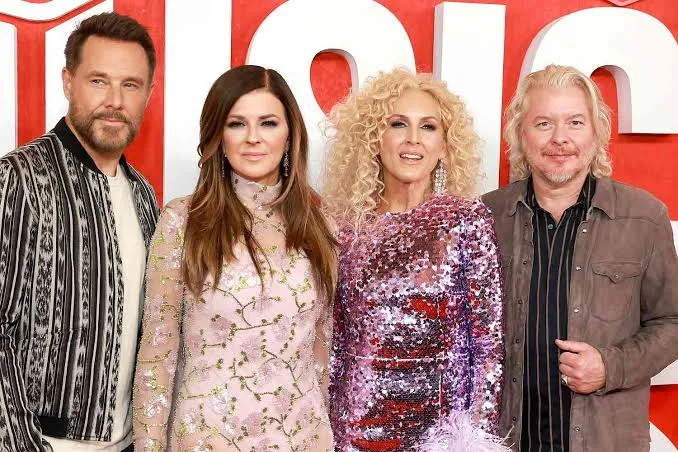
Little Big Town formed in 1998 in Homewood, Alabama, and spent nearly a decade building its reputation before a commercial breakthrough arrived. The quartet, consisting of Karen Fairchild, Kimberly Schlapman, Phillip Sweet, and Jimi Westbrook, is notable for having kept the same four members since its founding, a rarity in an industry defined by lineup turnover.
Their 2012 single “Pontoon” delivered the group’s first CMA Single of the Year award and propelled Little Big Town to its first CMA Vocal Group of the Year win, a category the band would go on to win six consecutive times.
The group’s 2015 hit “Girl Crush,” co-written by Liz Rose, Lori McKenna, and Hillary Lindsey, won both Single of the Year and Song of the Year at the CMA Awards and demonstrated the band’s willingness to record emotionally complex, narratively ambiguous material that departed sharply from typical country radio fare.
Zac Brown Band
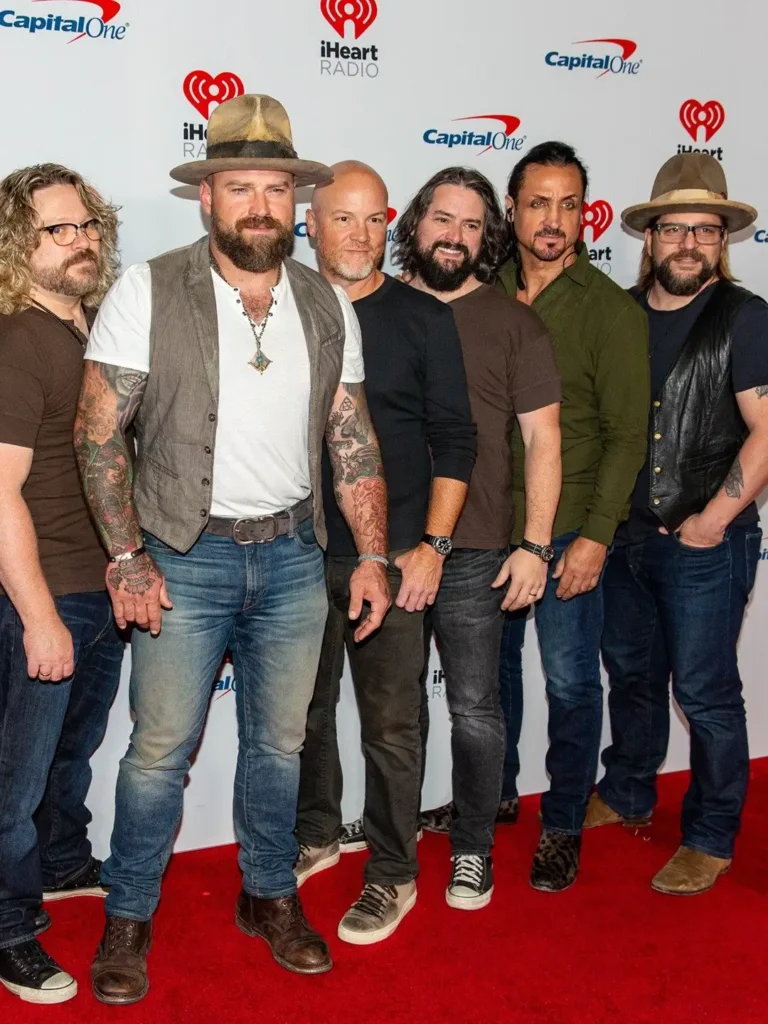
Zac Brown Band formed in Atlanta, Georgia, in the early 2000s, built around frontman Zac Brown and fiddler Jimmy De Martini, before growing into a genre-crossing ensemble whose sound incorporates bluegrass, southern rock, folk, jam-band improvisation, and reggae influences.
The band’s 2008 breakthrough single “Chicken Fried” helped propel their major-label debut, The Foundation, and the group won the Grammy Award for Best New Artist in 2010, followed by Best Country Album for Uncaged in 2013.
Zac Brown Band’s live shows, which frequently include extended instrumental improvisation and covers spanning Metallica to Queen, made the group one of the few country acts capable of headlining major rock and jam-band festivals like Bonnaroo and Stagecoach, a crossover credibility that expanded perceptions of what a country band’s audience could look like.
The Chicks
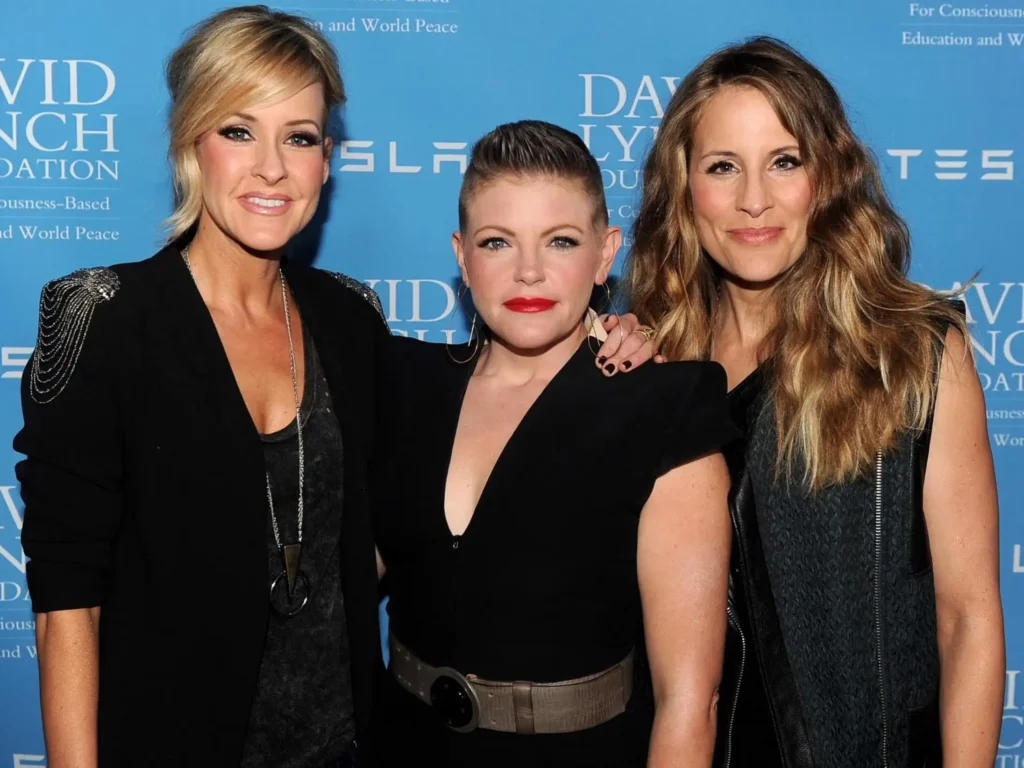
Formed in Texas and originally recording as a bluegrass-leaning acoustic group before finding mainstream success in the late 1990s, The Chicks, made up of Natalie Maines, Emily Strayer, and Martie Maguire, became one of the most commercially dominant and culturally significant acts in country music history.
The trio has won 13 Grammy Awards, six CMA Awards, and four ACM Awards, and their instrumental virtuosity, particularly Strayer’s banjo and Maguire’s fiddle work, gave the group a level of musicianship that distinguished them from most vocal-pop country acts of the era.
The band’s 2003 public criticism of the Iraq War triggered a significant radio backlash, and the group’s subsequent Grammy-winning album Taking the Long Way addressed the fallout directly, a moment that remains one of the most studied examples of the tension between country music’s commercial establishment and an artist’s political expression.
Their influence on later female-fronted country and Americana acts, from Little Big Town to Maren Morris, is difficult to overstate.
What These Bands Have in Common, and Where the Format Goes Next
Looking across these 20 acts, a few patterns emerge that explain why bands succeeded when they did, and why the format remains a smaller share of country’s commercial landscape than solo artists even today.
Groups that broke through tended to do one of three things: bring an outside genre’s instrumentation into country, as with Bob Wills’s jazz-inflected swing, Exile’s pop-rock pedigree, and The Mavericks’s Latin and rockabilly fusion; professionalize a harmony tradition that had previously lived in gospel or family acts, as with The Statler Brothers, The Oak Ridge Boys, and The Carter Family; or prove that a self-contained instrumental unit could headline arenas the way Alabama did in 1980.
The commercial risk of a group, split royalties, shared billing, and the difficulty of maintaining a consistent lineup over decades explains why labels historically favoured solo acts and why bands that maintained stable membership, like Little Big Town and Diamond Rio, tended to build longer, more consistent careers than those that cycled through members.
This economic and structural reality, rather than a lack of talent or audience appetite for group harmony, is the more accurate explanation for why country radio still skews toward solo artists relative to genres like rock.
What People Ask
NOTICE!! NOTICE!! NOTICE!!
At TheCityCeleb, we strive to provide accurate and up-to-date biographies and entertainment news, focusing on celebrities. Our editorial team researches information from reputable sources, including interviews, official statements, and verified media.If you spot an error or have additional details, please contact us at editor@thecityceleb.com. We value your feedback and are committed to maintaining trustworthy content.