Eco-Friendly Travel: Simple Swaps to Be a More Sustainable Tourist
I’ve been traveling with an eye on the planet for over 15 years now—backpacking through Southeast Asia in my 20s, leading small eco-tours in Central America, and more recently chasing slower, lower-impact adventures with my family.
In that time, I’ve seen destinations change dramatically: beaches buried under plastic, trails eroded by crowds, local communities priced out by all-inclusive resorts.
Trending Now!!:
But I’ve also witnessed the flip side—places where thoughtful travelers make a real difference, and how small, consistent swaps can add up without ruining the fun of exploring.
The truth is, sustainable tourism isn’t about perfection or giving up the trips you love. It’s about making smarter choices that reduce your footprint while often enriching the experience. Here are the practical swaps I’ve relied on (and the occasional mistakes that taught me better).
Swap the flight frenzy for slower, greener transport
Early on, I chased bucket-list spots with the cheapest flights possible—multiple layovers, budget airlines, racing to cram in more. It felt efficient until I calculated the emissions and realized short-haul flights are disproportionately damaging. Now, I prioritize trains, buses, or ferries whenever feasible.
Last summer in Europe, I took the overnight train from Paris to Berlin instead of flying; it saved hundreds of kilos of CO2, gave me a proper night’s sleep, and let me wake up to rolling countryside views I would’ve missed at 30,000 feet.
When flying is unavoidable, I book direct routes, choose economy (it packs more people per plane, lowering per-passenger impact), and use tools to pick lower-emission carriers.
Pro tip: Avoid those 1-2 hour flights if a train or drive works—I’ve regretted the convenience more than once when turbulence hit, and I thought, “I could’ve been on a scenic rail line instead.”
Choose accommodations that walk the talk
I’ve stayed in everything from luxury eco-lodges to basic homestays. The game-changer? Looking beyond “green” labels (which can be greenwashing) to real practices. I seek places with certifications like EarthCheck or GSTC, or those transparent about solar power, water conservation, and zero single-use plastics.
One mistake I made in Bali years ago: booking a beachfront villa that looked idyllic online but pumped untreated wastewater straight into the ocean. Now, I read recent reviews, ask about refill stations and linen reuse policies, and opt for locally owned spots.
In Costa Rica, staying at a family-run eco-lodge meant my money went directly to rainforest restoration projects—plus homemade meals from their garden. It felt authentic, not performative.
Ditch single-use plastics for reusable essentials
This is the easiest swap with the biggest win. I used to pack hotel minis like everyone else—until I saw piles of tiny bottles washing up on Thai beaches.
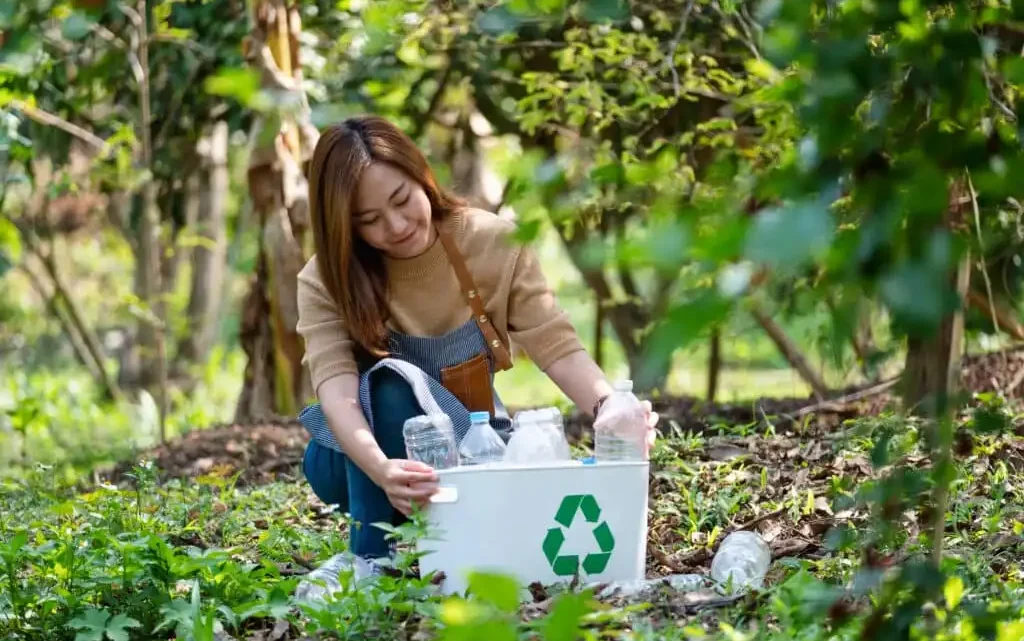
Now my kit includes a collapsible water bottle (refilled from stations or filtered taps), bamboo toothbrush, solid shampoo and conditioner bars, and reusable toiletry bottles. Laundry sheets are another favorite—they’re compact, plastic-free, and work better than hotel pods in sketchy machines.
I once forgot my reef-safe sunscreen and bought a cheap bottle locally; it turned out to be the chemical kind that bleaches coral. Lesson learned: Mineral-based, reef-safe formulas only now, applied sparingly.
Eat and shop local to keep money in the community
Mass tourism often funnels cash to international chains, but eating street food or at family-run spots changes that. In Vietnam, I ditched touristy buffets for pho from a corner stall—cheaper, tastier, and the vendor’s kids went to school on those earnings.
Same with souvenirs: Skip mass-produced trinkets for handmade items from artisans. Edible souvenirs, like local spices or olive oil, let you relive the trip at home without adding more clutter.
I’ve learned to ask, “Is this made here?”—it sparks great conversations and helps avoid unknowingly buying imports.
Pack light and respect the place you’re visiting
Heavy luggage means heavier fuel use on planes or vehicles. I challenge myself to carry one carry-on now; it forces mindful packing and lighter travel.
On the ground, I follow “leave no trace” instinctively—packing out trash, staying on trails, and opting out of daily housekeeping (hang the towel, skip the fresh sheets).
At wildlife spots, I’ve seen the damage caused by unethical encounters—riding elephants or petting tigers. I stick to responsible viewing: guided hikes, no touching, no feeding. In Rwanda, gorilla trekking felt profound because the fees fund conservation, not exploitation.
Offset thoughtfully and go regenerative when possible
Offsets aren’t a free pass, but reputable ones (like those supporting verified projects) help. I calculate my trip’s footprint and contribute to local initiatives—like mangrove planting in Indonesia.
Increasingly, I’m drawn to regenerative travel: places where my visit actively restores, like volunteering on a trail rebuild or staying at lodges that rewild land.
Final thoughts from the road
After all these years, the biggest shift isn’t grand gestures—it’s a mindset shift. Sustainable tourism means being a guest, not a consumer: respectful, curious, generous. Start with one or two swaps on your next trip—maybe train over plane, or reusable bottles—and build from there. The planet’s resilient, but it needs us to meet it halfway.
I’ve watched places recover when travelers care—coral reefs rebounding in protected areas, communities thriving on fair tourism. It’s not about guilt; it’s about gratitude for the world we get to see. Travel lighter, give more, and come home changed for the better.
As someone who’s made every mistake in this book—from overpacking to ignoring local advice—trust me: these simple changes stick, and they make the journey so much more rewarding.