
How to Bake Chicken Thighs to Crispy, Juicy Perfection
After more than ten years of pulling sheet pans from the oven—some triumphant, others quietly disappointing—I can tell you that baked chicken thighs remain one of the most reliable paths to dinner that feels both effortless and impressive.
Bone-in, skin-on thighs deliver that coveted contrast: skin that shatters under the slightest pressure, meat that stays juicy and forgiving even if you leave them in a minute too long. Breasts can turn chalky; thighs just get silkier.
Trending Now!!:
The technique I return to again and again is straightforward, but every detail matters. Here’s how to achieve crispy baked chicken thighs consistently, drawn from real pans, real mistakes, and the small tweaks that make the difference.
Choosing the Right Thighs
Start with bone-in, skin-on chicken thighs—full stop. Boneless, skinless versions cook faster and are fine in a pinch, but they miss the entire point: no skin means no crisp, and the meat loses its built-in insurance against drying out.
I buy family packs because they’re economical and the leftovers reheat beautifully (more on that later).
Before anything else, trim any loose flaps of fat or excess skin hanging off the edges. Those bits tend to steam rather than crisp, and can leave the whole tray slick. A sharp pair of kitchen shears makes quick work of it.




The Critical Step: Drying the Skin
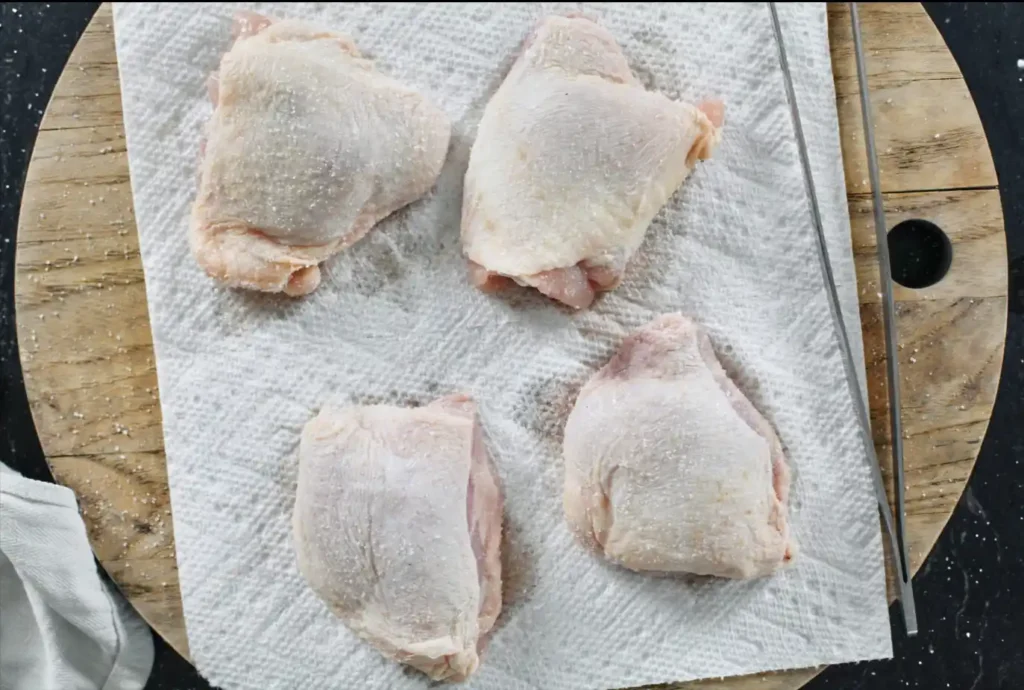
Moisture is the single biggest enemy of crispy skin on baked chicken thighs. Pat the thighs aggressively dry with paper towels—press hard, almost scrub the skin. I’ve rushed this step on hurried weeknights and ended up with leathery, sad skin that refused to brown properly.
For the best results, especially on weekends, I take it further: season lightly with kosher salt and set the thighs uncovered in the refrigerator for 4–24 hours.
The air dries the surface like a mini dry-brine, and the skin comes out noticeably crisper. Skipping this once during a chaotic Tuesday dinner taught me never to cut corners here again.
Seasoning for Flavor Without Fighting Crispiness
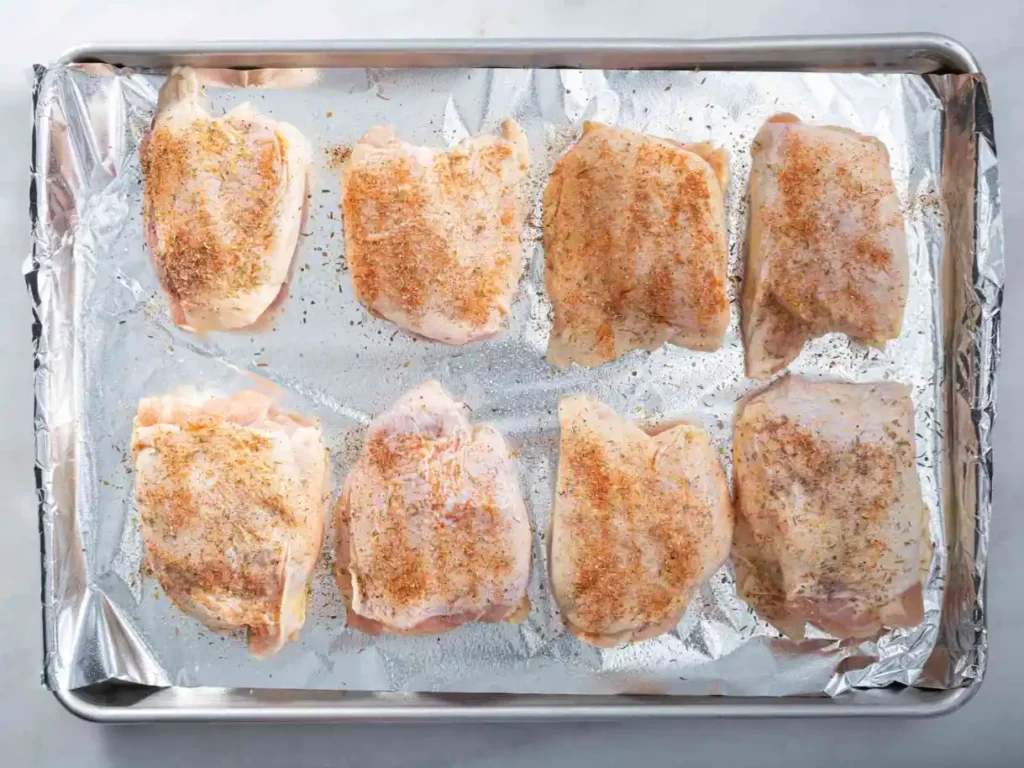
Keep seasonings simple but bold. My go-to mix includes a light coat of olive oil (just enough to help spices adhere and encourage browning), generous kosher salt, black pepper, garlic powder, onion powder, smoked paprika for depth, and a pinch of cayenne for subtle warmth.
Lift the skin gently and rub some of the mixture directly onto the meat underneath—direct contact seasons the flesh, not just the surface. I sometimes add dried thyme or Italian seasoning for an herby note, but I steer clear of wet marinades or sauces; extra liquid sabotages the crunch we’re after.

Setting Up for Success: The Rack Method
Preheat the oven to 425°F (220°C). Line a large rimmed baking sheet with foil for easy cleanup, then place a wire rack on top. Elevating the thighs allows hot air to circulate underneath and lets fat drip away—no more soggy bottoms.
Arrange the thighs skin-side up, spaced at least an inch apart. Crowding causes steaming instead of roasting; I’ve learned this the hard way when trying to squeeze an extra four onto one pan—the edges stayed pale while the center ones overcooked.
Baking and the Final Crisp
Slide the tray into the hot oven and try not to peek too often. Bake for 35–45 minutes, depending on size. Smaller thighs finish closer to 35 minutes; larger ones need up to 45. A meat thermometer is non-negotiable—target 165°F in the thickest part, but don’t fear pulling them at 170–175°F. Dark meat stays juicy, and the skin crisps even better as the fat renders fully up to around 185°F.
For that restaurant-level extra crispy baked chicken thighs finish, switch to broil for the last 2–3 minutes. Stand there and watch closely—one moment of distraction and the edges blacken. I’ve scorched more than one batch perfecting the timing, but when it works, the skin turns a deep, burnished gold.
Let the thighs rest 5 minutes before serving. The juices settle, and the crisp holds longer.

Serving and Making It a Meal
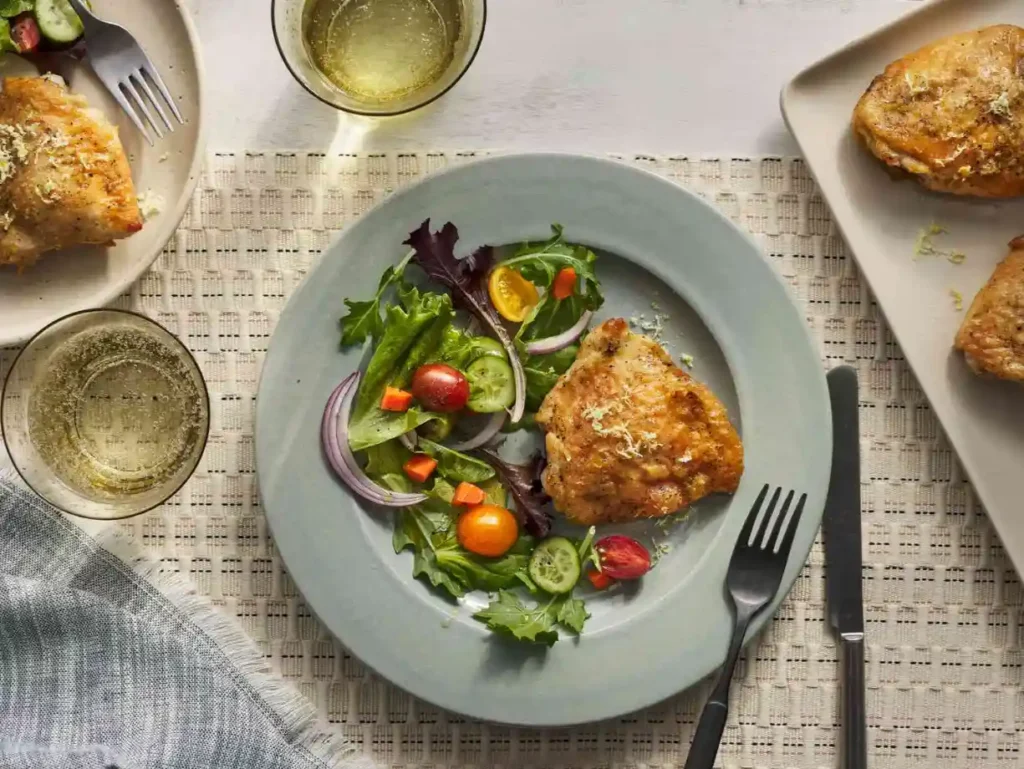
Serve straight from the pan, perhaps drizzling some of the rendered fat over roasted vegetables, rice, or potatoes cooked alongside. The thighs pair beautifully with simple sides—think lemony greens, roasted roots, or even a quick pan sauce from the drippings if you’re feeling fancy.
These oven baked chicken thighs have saved countless dinners in my house: weeknight-easy yet indulgent enough for company. Shredded leftovers shine in salads, tacos, or stirred into fried rice the next day.
Master this method, and you’ll find yourself reaching for thighs over any other cut—because once you taste that perfect balance of shatteringly crispy skin and impossibly juicy meat, there’s really no going back.