
Meet Top 10 Richest Film Directors in Hollywood
From backend points to franchise sales, here's how Hollywood's wealthiest filmmakers turned box office hits into billion-dollar fortunes.
Hollywood’s biggest fortunes are not made on set. They are made in the fine print of a contract, years before a single frame gets shot.
The directors who top this list did not simply make hit movies; they negotiated ownership stakes, backend points, and franchise rights that keep paying long after the premiere lights go dark.
Trending Now!!:
The ten richest film directors in Hollywood, ranked by 2026 net worth estimates, are led by Steven Spielberg at roughly $7.1 billion, followed by George Lucas, Peter Jackson, Tyler Perry, and James Cameron. What separates this tier from the rest of the industry is ownership: equity in intellectual property, production companies, and distribution rights, not just a director’s fee.
Most working directors in Hollywood, even successful ones, earn a flat fee per project. That fee can be substantial, sometimes running into eight figures for A-list names, but it is finite. It does not compound. The directors on this list broke that pattern by negotiating backend participation, retaining ownership of their content libraries, or building production companies that generate revenue independent of any single film.
Three structures show up again and again in the biographies below, and understanding them explains almost everything about how this list is ordered.
First-dollar gross participation pays a director a percentage of revenue from the very first dollar a film earns, before the studio recoups its production and marketing costs. It is the most valuable deal a director can get and the hardest to negotiate, reserved almost exclusively for filmmakers whose name alone moves box office numbers.




Backend profit participation is more common but less lucrative. It pays out only after the studio has recovered its costs, which is why so many “profit participation” deals in Hollywood accounting famously never pay out at all. A director’s leverage at the negotiating table determines whether backend points are calculated on gross or net. That distinction alone has been worth hundreds of millions of dollars over a career.
The third structure, and arguably the one with the highest long-term ceiling, is outright ownership. A handful of directors on this list do not just direct their films; they own them, along with the studios, production companies, and distribution pipelines that deliver them to audiences.
1. Steven Spielberg: Estimated Net Worth $7.1 Billion
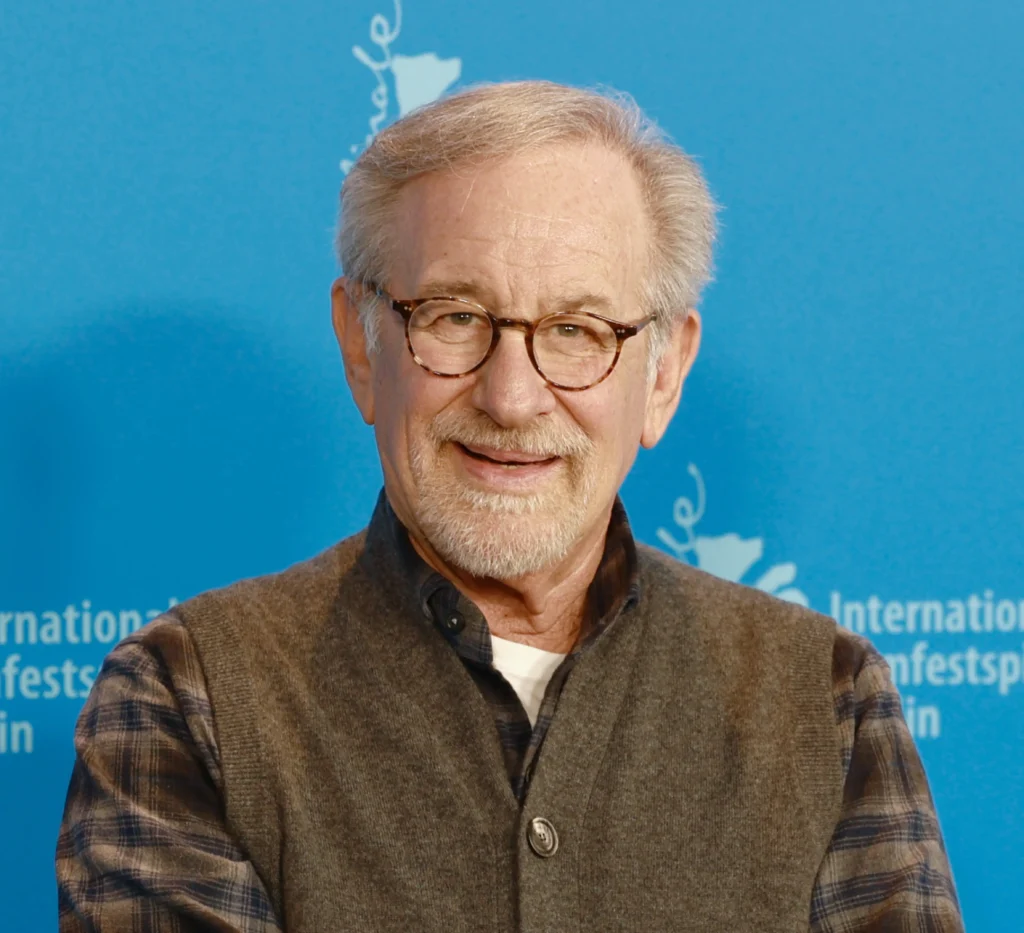
Steven Spielberg is not just the richest director in Hollywood; he is the wealthiest celebrity in the world as of 2026, according to Forbes. His films have grossed more than $10 billion at the global box office over a five-decade career, a milestone no other director has reached.
The scale of Spielberg’s wealth traces back to a negotiating philosophy few directors of his era were positioned to demand. Rather than taking large upfront fees, Spielberg built his fortune on backend profit participation, taking a percentage of a film’s gross or net earnings instead of a flat directing fee. On Jurassic Park alone, that structure reportedly delivered over $250 million.
What competing coverage of Spielberg’s wealth tends to underplay is the theme park revenue stream. Spielberg holds a profit-sharing agreement with Universal Studios that gives him a percentage of revenue generated by theme park attractions based on his films.
This steady income source has compounded for decades. Add to that his co-founding stake in DreamWorks and his continued leadership at Amblin Partners, and the picture becomes clear: Spielberg’s fortune is not a single windfall from one blockbuster. It is a diversified portfolio built on filmmaking, franchising, and physical attractions.
2. George Lucas: Estimated Net Worth $5.2 Billion
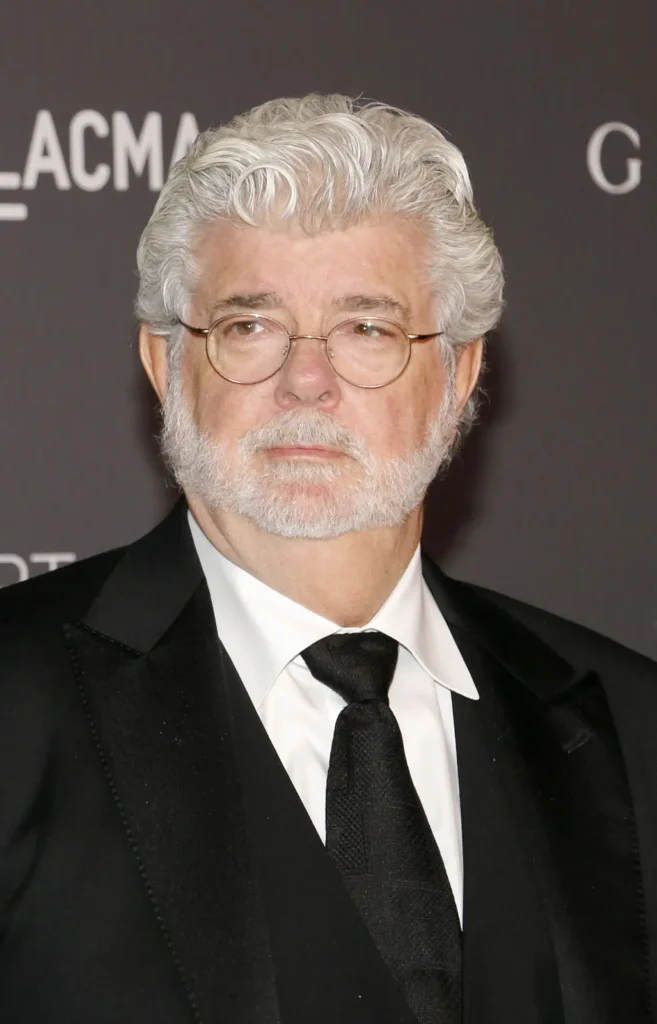
George Lucas occupies a category almost entirely his own. Where most directors on this list built wealth through repeated deals across dozens of films, Lucas built his fortune primarily through one transaction: the sale of Lucasfilm and the Star Wars franchise to Disney. The deal, valued at roughly $4.1 billion in 2012, accounts for the majority of his current net worth.
The overlooked lesson in Lucas’ story is one that industry analysts rarely spell out plainly: he retained ownership of Star Wars for decades before selling, resisting studio pressure and financing later installments independently.
That patience is what allowed him to capture the full value of the franchise at the point of sale, rather than a director’s percentage negotiated project by project. It is a textbook case study in intellectual property ownership outperforming even the most generous backend deal.
3. Peter Jackson: Estimated Net Worth $1.6 Billion
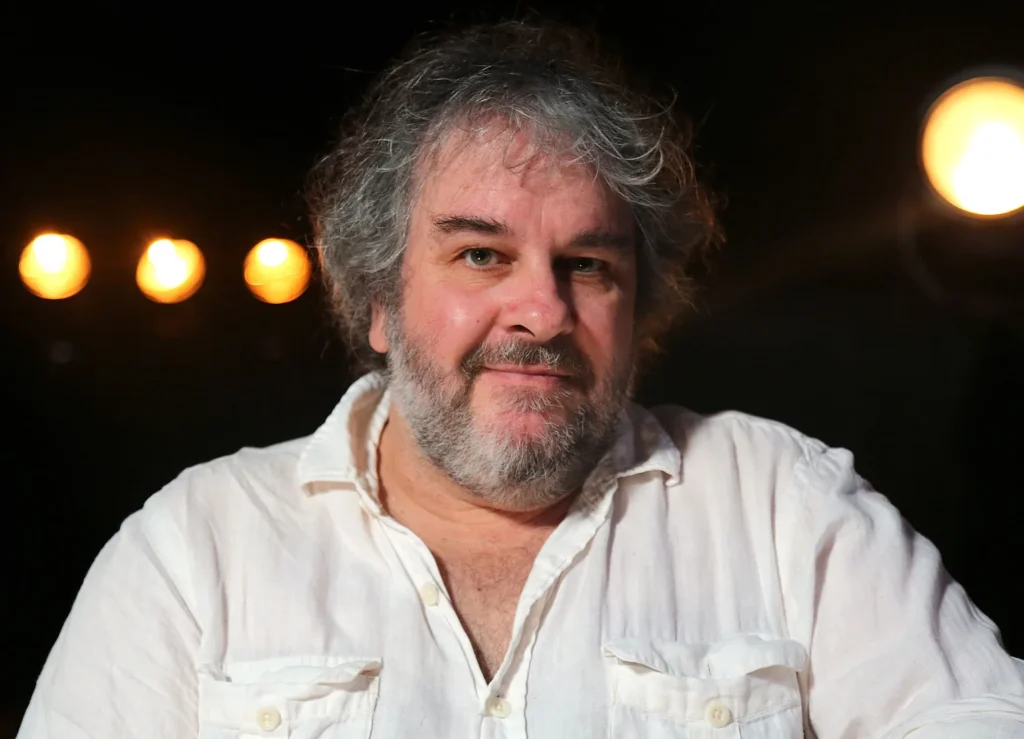
Peter Jackson’s wealth is inseparable from The Lord of the Rings trilogy and its prequel films, The Hobbit. His compensation structure evolved dramatically between the two franchises, and that evolution is instructive for understanding how directorial leverage grows with proven box office performance.
For The Lord of the Rings, Jackson received a base salary along with a backend deal equal to ten percent of the trilogy’s box office profits. By the time The Hobbit trilogy went into production, his leverage had increased substantially: he commanded a $20 million upfront fee per film plus a twenty percent backend share, double the percentage he had negotiated a decade earlier.
Jackson’s fortune extends beyond directing fees. A significant portion came from the sale of a majority stake in Weta Digital, the visual effects company he founded that became one of the most respected effects houses in the industry. That sale illustrates a pattern worth noting: several directors on this list built ancillary businesses around their filmmaking, then monetized those businesses separately from their film careers.
4. Tyler Perry: Estimated Net Worth $1.4 Billion
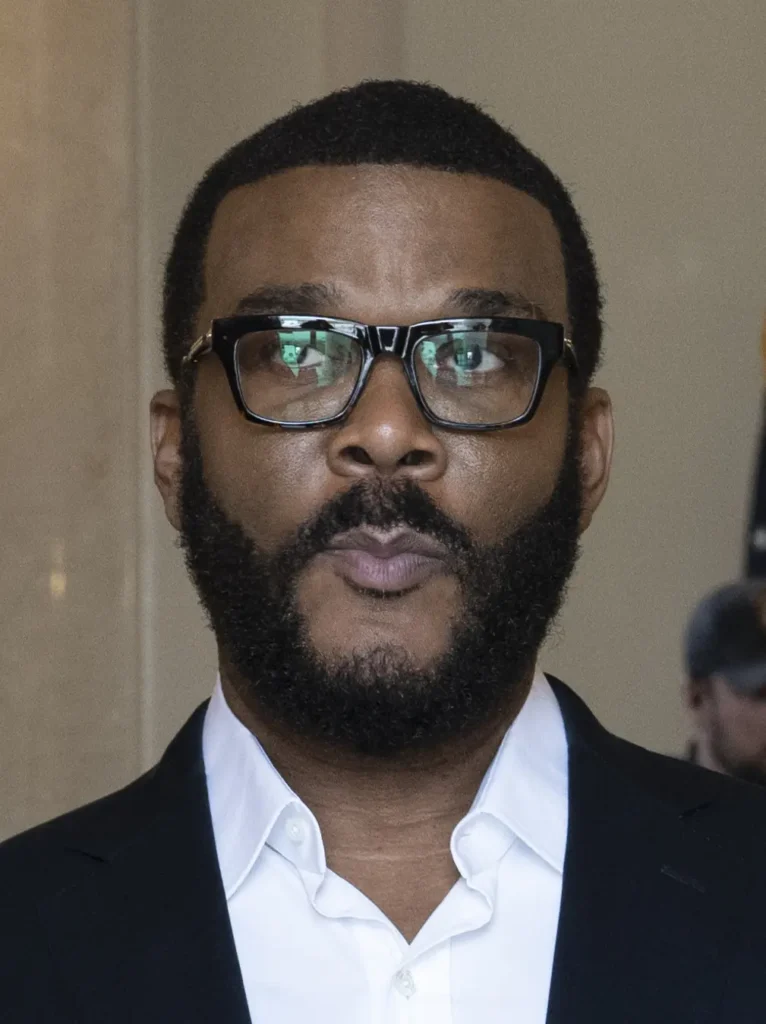
Tyler Perry’s financial story is the most structurally distinct on this list, and arguably the most instructive for any filmmaker trying to build durable wealth rather than a single payday. Estimates of his fortune vary more than any other name here. Forbes places his net worth at approximately $1.4 billion.
In comparison, other financial trackers estimate closer to $850 million, a gap that reflects how differently analysts value privately held studio assets and content libraries.
What is not in dispute is the mechanism behind Perry’s wealth. Unlike most Hollywood filmmakers who trade creative control for studio financing, Perry built a vertically integrated media operation by retaining ownership of everything he creates. He writes, directs, produces, and distributes content through his own 330-acre studio complex in Atlanta, a former U.S. Army base he purchased for $30 million in 2015.
That ownership model extended into his streaming deals as well. Perry’s arrangement with Paramount and BET, along with a first-look deal with Netflix covering multiple feature films, has been structured around licensing his existing library rather than surrendering equity in it.
It is a common misconception that Perry’s wealth comes primarily from box office receipts. In reality, the bulk of it comes from control of distribution rights and back catalog licensing, the same asset class that makes music publishing catalogs so valuable.
5. James Cameron: Estimated Net Worth $800 Million to $900 Million
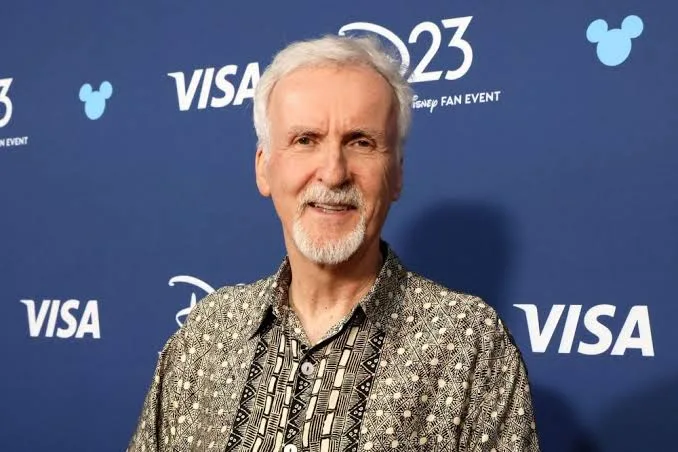
James Cameron directed two of the highest-grossing films in history, Titanic and Avatar, and his compensation on both reveals how dramatically backend terms can shift a director’s fortune.
For Titanic, Cameron’s deal included an $8 million upfront fee, which he famously returned to the studio after the film’s budget overran, along with a generous share of box office gross that ultimately delivered far more than the fee he waived.
The Avatar franchise has proven even more lucrative. His backend points reportedly generated approximately $350 million from the first film alone, with his twenty percent first dollar gross deal on Avatar: The Way of Water adding roughly another $250 million.
With additional sequels in production and first dollar gross participation locked in, Cameron’s net worth trajectory is arguably still climbing faster than any other director on this list, a detail most competing coverage treats as a footnote rather than the headline it deserves.
6. Michael Bay: Estimated Net Worth $450 Million
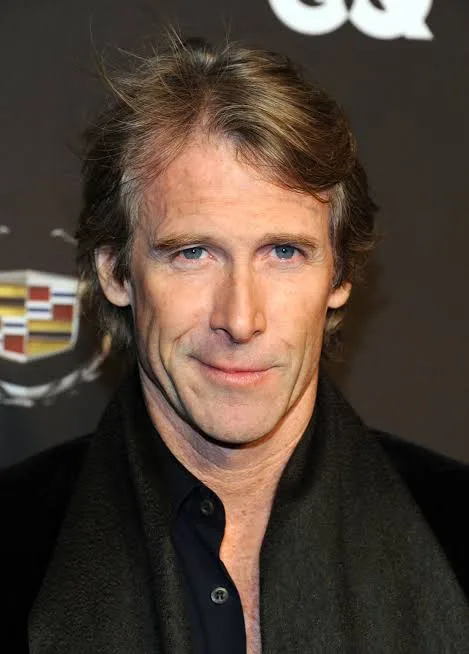
Michael Bay turned the Transformers franchise, which has grossed more than five billion dollars worldwide, into one of the most durable paydays in modern action filmmaking, reportedly earning up to $25 million per installment plus backend profits.
His wealth is not limited to directing fees. Bay’s production and commercial work, built through decades of high-profile advertising campaigns before and alongside his film career, contributes a meaningful secondary income stream that few of his peers can match.
7. Ridley Scott: Estimated Net Worth $400 Million
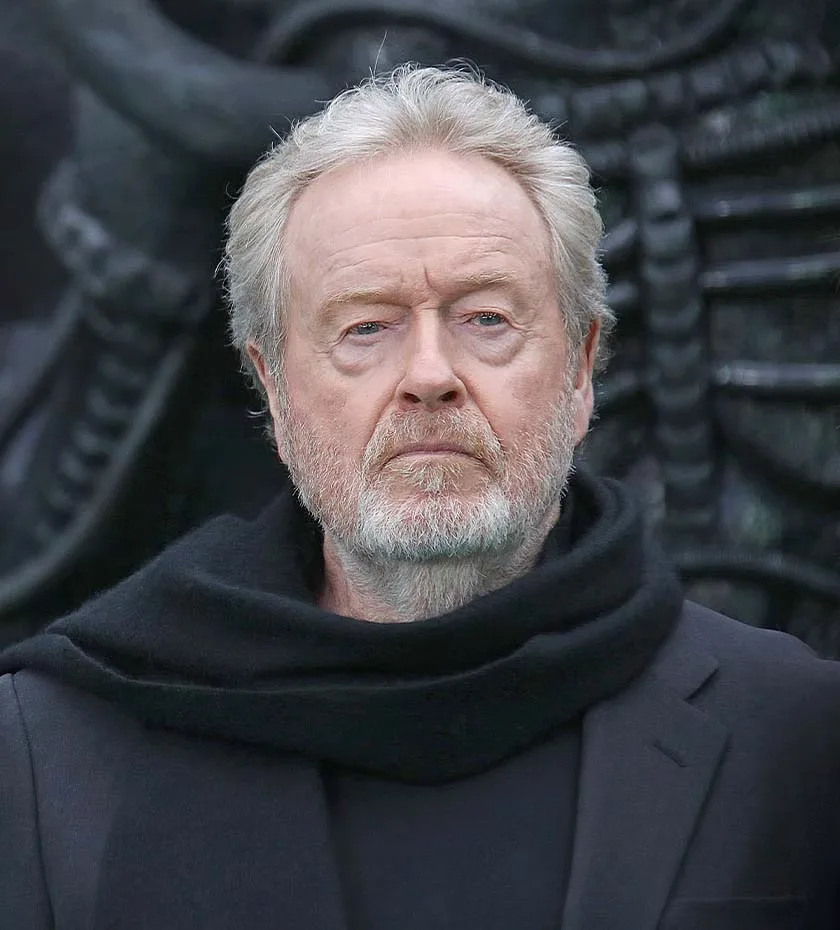
At 87 years old, Ridley Scott remains one of the most commercially active directors in Hollywood, moving from Alien and Blade Runner to Gladiator and its 2024 sequel without slowing his production pace.
A meaningful share of his wealth comes not from directing fees but from Ridley Scott Associates, his production company, which produces films, commercials, and music videos generating more than $100 million in annual revenue.
Scott typically commands between $10 million and $15 million per film in directing fees, a figure that understates his total earnings once producing credits and backend participation are factored in.
8. Francis Ford Coppola: Estimated Net Worth $400 Million
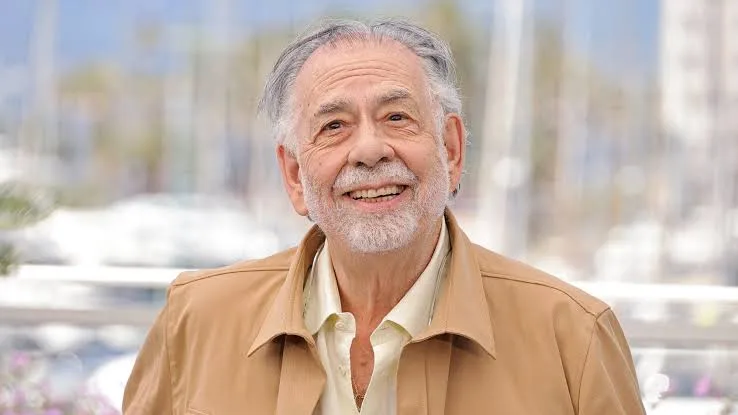
Francis Ford Coppola’s wealth is built on one of the most decorated filmographies in American cinema, anchored by The Godfather trilogy, which won a combined nine Academy Awards across its first two installments.
Coppola’s financial story carries a cautionary note that distinguishes him from others on this list: he has both built and lost fortunes on ambitious independent projects, most notably financing recent films largely out of pocket rather than through studio backing.
That willingness to self-fund passion projects, including his 2024 release Megalopolis, sets him apart from directors who built wealth primarily through studio franchise deals.
9. Christopher Nolan: Estimated Net Worth $250 Million
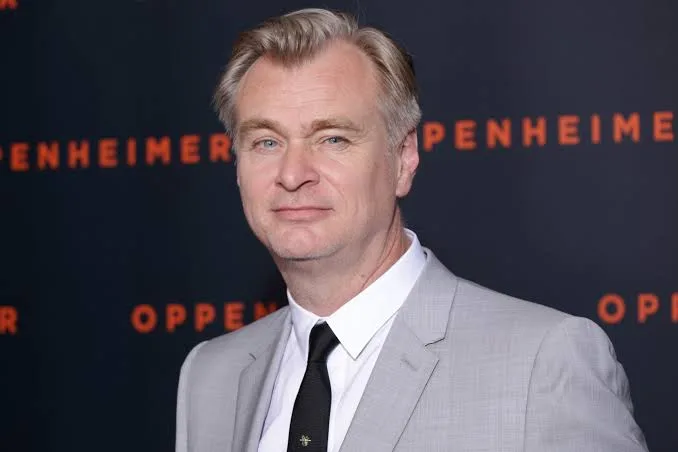
Christopher Nolan has built his fortune through a combination of substantial upfront fees, often reported near $20 million per film, and significant backend profit participation, a negotiating position earned through an unbroken run of commercially successful original and franchise films.
Oppenheimer’s billion-dollar global gross in 2023 further strengthened his leverage for future projects, reinforcing a broader industry pattern: directors who can reliably deliver original, non-franchise box office hits command better terms than those who rely solely on established intellectual property.
10. Martin Scorsese: Estimated Net Worth $200 Million
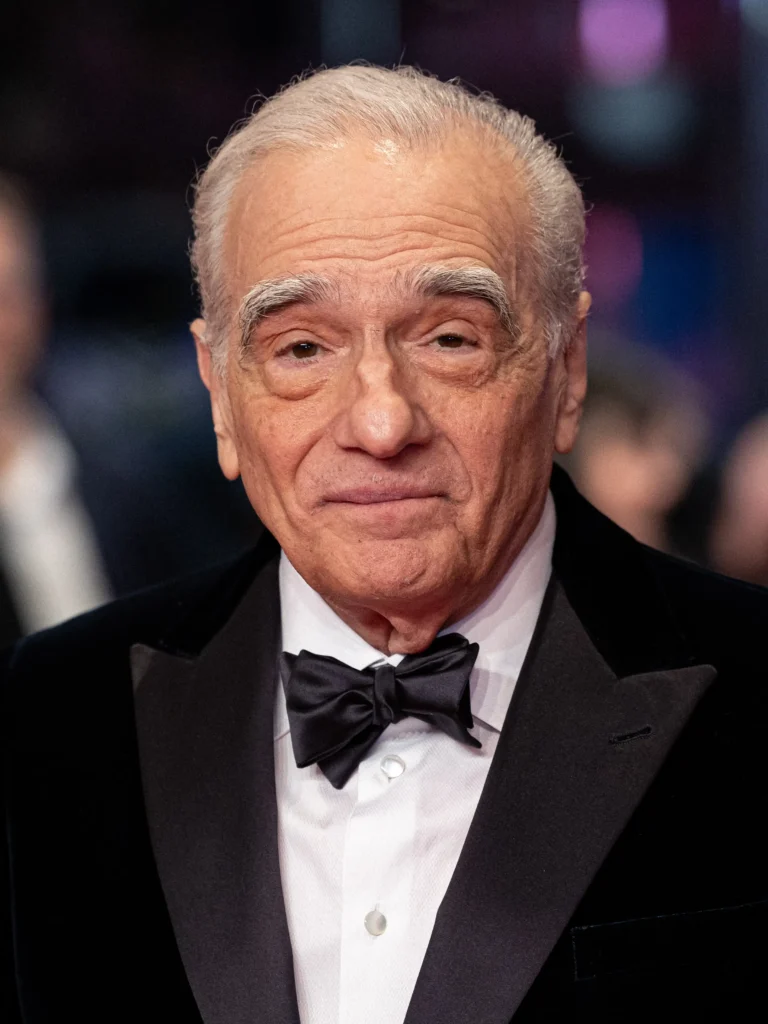
Martin Scorsese rounds out the list with the smallest fortune among this group, a fact that surprises many readers given his stature as arguably the most respected living American director.
His wealth reflects a career built more on critical prestige and directing fees than on backend ownership or franchise participation.
Scorsese’s continued output, including executive producing credits and documentary work, provides multiple smaller revenue streams that sustain his position among Hollywood’s wealthiest filmmakers even without a single dominant franchise behind him.
What the List Reveals About Building Wealth as a Director
A pattern emerges once these ten fortunes are placed side by side. The four wealthiest directors, Spielberg, Lucas, Jackson, and Perry, all built their fortunes on some form of ownership: theme park royalties, an outright franchise sale, a visual effects company, or a self-owned content library.
The remaining six built wealth primarily through fees and backend deals negotiated project by project, a model that produces real wealth but rarely approaches billionaire territory.
That distinction matters for anyone trying to understand where Hollywood money actually comes from. Box office grosses make headlines, but the structure of a director’s deal, not the size of an opening weekend, determines whether a hit film becomes generational wealth or simply a good year.
One common misconception worth correcting: net worth figures for private individuals, especially those with significant ownership in privately held studios or production companies, are estimates rather than audited figures.
Sources including Forbes and Celebrity Net Worth frequently diverge by hundreds of millions of dollars on the same individual, as seen with both Spielberg and Perry above, because privately held equity, real estate, and future franchise rights are inherently difficult to value with precision. Treat every figure on this list as a well-researched estimate rather than a verified balance sheet.
What People Ask
NOTICE!! NOTICE!! NOTICE!!
At TheCityCeleb, we strive to provide accurate and up-to-date biographies and entertainment news, focusing on celebrities. Our editorial team researches information from reputable sources, including interviews, official statements, and verified media.If you spot an error or have additional details, please contact us at editor@thecityceleb.com. We value your feedback and are committed to maintaining trustworthy content.