Meet Top 10 Richest K-POP Musicians in The World
From Seoul training rooms to nine-figure fortunes, the wealthiest K-pop musicians in the world have turned cultural dominance into business empires, and the names at the top will surprise you.
K-pop has long stopped being a niche subculture tucked away in Seoul’s entertainment districts.
It is, at this point in 2026, a global economic engine, generating north of $10 billion annually across music, merchandise, touring, and brand licensing. The artists sitting at the top of this industry are not simply talented singers or practised dancers.
Trending Now!!:
They are equity holders, brand architects, and in some cases, the founders of the very companies that mint new idols every year. The richest K-pop musicians in the world have figured out something that took Western pop stars decades to learn: the music is the marketing, and the real money lives somewhere else entirely.
What follows is a ranked look at the ten wealthiest K-pop musicians alive today, their estimated net worths, and the specific decisions, deals, and pivots that built those fortunes.
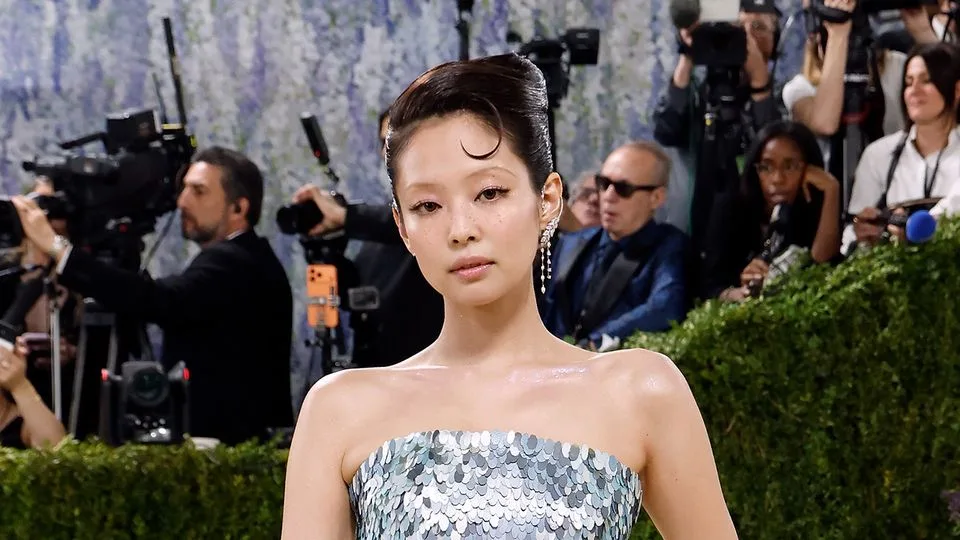
10. Jennie Kim (BLACKPINK) — Estimated Net Worth: $30 Million

Jennie Kim has long been dubbed “Human Chanel” within the industry, a nickname that barely scratches the surface of what she has built commercially. As a member of BLACKPINK and a solo artist in her own right, Jennie generates income across more lanes than most K-pop idols ever access.
Her estimated net worth sits at around $30 million as of 2026. That figure is driven by her Chanel ambassadorship, solo music ventures, and the decision she and her BLACKPINK groupmates made to leave YG Entertainment and establish individual management companies, giving each member direct control over their deals and earnings.




What separates Jennie from many of her peers is her fashion crossover. She does not simply wear brands; she co-develops creative directions with them. That level of involvement commands fees that straight endorsements do not.
9. Jungkook (BTS) — Estimated Net Worth: $35 Million
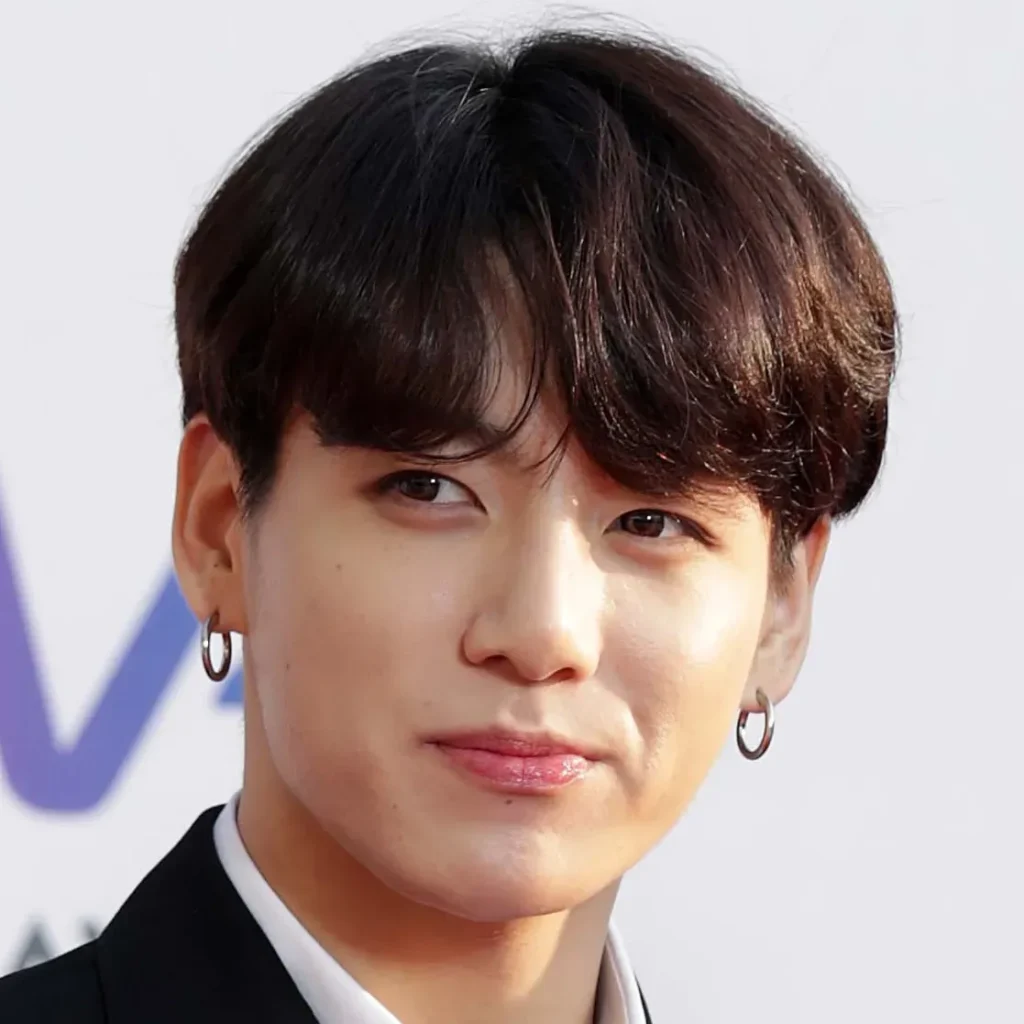
Jungkook’s solo album Golden broke records internationally, while long-term global brand partnerships with Calvin Klein and Chanel Beauty remain a major income source. As the youngest member of BTS, Jeon Jungkook has built a personal brand that appeals to audiences across generational lines, a rare commercial quality.
His financial story is worth studying closely. Jungkook did not arrive at $35 million through music royalties alone. The richest K-pop idols in 2026 are not just musicians; they are global brands, with artists combining music, fashion, entertainment, and business investments.
Jungkook fits that description precisely: HYBE equity, individual brand deals operating independently of BTS group earnings, and a solo discography that continues to generate streaming revenue across multiple platforms.
8. V (BTS) — Estimated Net Worth: $40–41 Million

Kim Tae-hyung, known professionally as V, tops the BTS wealth rankings, with an estimated net worth of $40–41 million. His solo debut album, Layover, saw strong global success, and his high-profile ambassadorship deals with luxury brands like Celine and Cartier significantly boost his earnings.
V presents a case study in how a K-pop idol translates artistic identity into luxury brand equity. His aesthetic, more considered and art-house adjacent than typical idol fare, made him a natural fit for fashion houses that prize distinctiveness over mass appeal. That positioning commands top rates in the ambassador market.
His unique positioning appeals to both music and fashion audiences, and real estate diversification supplements tour income.
7. Lisa (BLACKPINK) — Estimated Net Worth: $40 Million

Lalisa Manoban, known universally as Lisa, is the most globally cross-cultural figure in K-pop. Born in Thailand and trained in South Korea, she commands a fanbase that spans Southeast Asia, Europe, North America, and beyond with an authenticity that no marketing campaign could manufacture.
Lisa’s net worth is estimated at around $40 million, built on a combination of the roughly $25 million that BLACKPINK generates annually, plus significant income from personal sponsorships. She earns millions annually from brand ambassadorships with Celine, Bulgari, and MAC, and BLACKPINK world tours generate over $20 million each, with substantial member cuts.
Her 2021 solo releases, LALISA and the associated visuals, demonstrated that her solo commercial ceiling sits well above what most idol soloists reach. That single album wasn’t just successful, it made history.
6. IU (Lee Ji-eun) — Estimated Net Worth: $40–45 Million

Lee Ji-eun, who performs and records as IU, is the wealthiest solo female K-pop musician in the world, and one of the most complete entertainers South Korea has ever produced.
She writes her own songs, produces her own records, acts in major television dramas, headlines sold-out arena tours, and holds long-term brand partnerships that span convenience store chains, beauty companies, and luxury goods.
IU has an estimated net worth of $45 million, earned through her successful career as a singer-songwriter and actress with chart dominance and an extensive portfolio of television commercials.
What makes IU’s financial position particularly strong is the songwriting angle. Unlike idols who perform material written by agency composers, IU owns or co-owns the publishing on a significant portion of her catalog.
Every stream, every sync license, every commercial that uses Celebrity or Strawberry Moon pays her directly as a songwriter in addition to her recording artist share. That is a compounding wealth engine that most K-pop acts simply do not have.
Her real estate investments across countries supplement tour income and create additive wealth independent of her music career.
5. G-Dragon (BIGBANG) — Estimated Net Worth: $50 Million
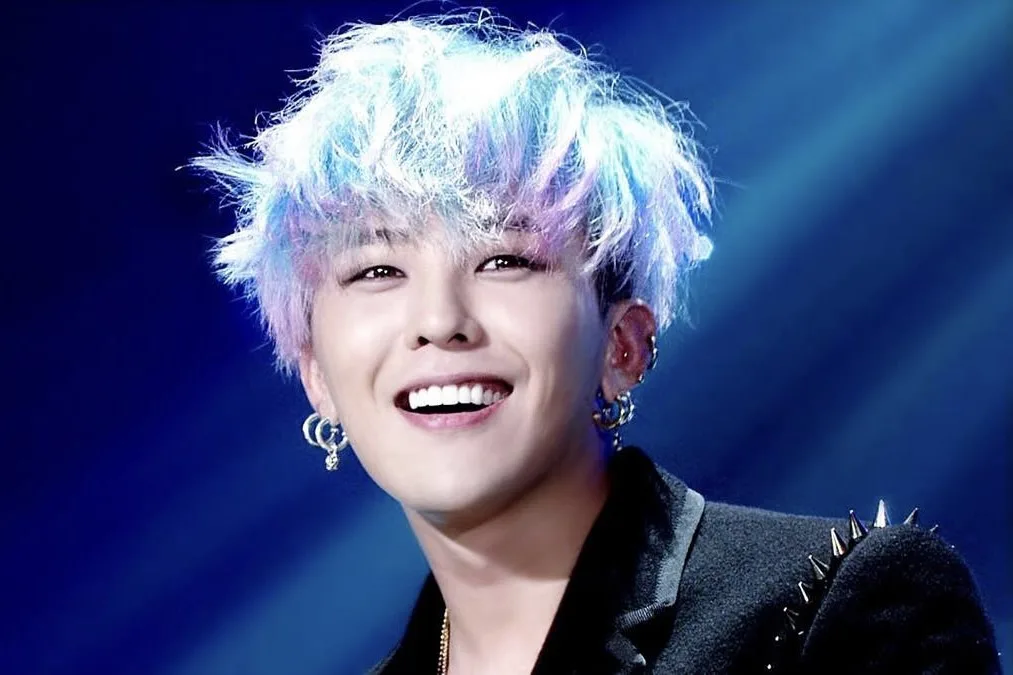
Kwon Ji-yong, better known as G-Dragon, is a South Korean rapper, singer-songwriter, and entrepreneur with an estimated net worth of $50 million. He rose to prominence as the leader of the South Korean boy band BIGBANG, which became one of the most influential K-pop groups and among the best-selling boy bands in the world.
G-Dragon is the closest thing K-pop has produced to a self-made cultural auteur. He does not just follow trends; he has originated several of them, from the raw streetwear aesthetics of his early career to the high-fashion crossovers that redefined what a K-pop idol could look like.
His solo exhibitions, his PEACEMINUSONE fashion label, and his cafe and hospitality ventures speak to a business mind that sees entertainment as a platform rather than a destination.
He has also had success as a solo artist and as one half of the duos GD & TOP and GD X Taeyang.
His net worth is supported by equity holdings, brand collaborations with Nike and luxury houses, and the sustained catalog value of BIGBANG’s discography, which continues generating licensing income years after the group entered a prolonged hiatus.
4. PSY — Estimated Net Worth: $60 Million

Few cultural moments in modern music history carry the sheer scale of Gangnam Style. When Park Jae-sang, professionally known as PSY, dropped that single in 2012, it did not merely top charts. It became a global phenomenon, topping several charts across the globe, and PSY was able to make $300,000 for a single concert in Malaysia during that peak period.
PSY’s net worth stands at an estimated $60 million. For people outside of South Korea, he seemed to appear out of nowhere, with Gangnam Style becoming one of the most-watched videos on YouTube ever.
But PSY’s real strategic masterstroke came after the viral wave subsided. Rather than riding Gangnam Style indefinitely as a novelty act, he pivoted toward ownership. In 2019, he formed his own label, P Nation, recruiting established artists from both within and outside the K-pop industry, including Hyuna, Dawn, Jessi, and Penomeco.
Running an entertainment label means PSY now earns from the success of other artists, not just his own catalog. That shift from performer to label founder is the same playbook that has made music executives wealthier than most of the artists they sign.
3. Rain (Jung Ji-hoon) — Estimated Net Worth: $55 Million

Jung Ji-hoon, known to the world simply as Rain, is the most important name in this entire list for understanding what K-pop wealth actually looked like before BTS and BLACKPINK arrived.
He was the original K-pop global crossover act, performing at Madison Square Garden in 2006, appearing in Time magazine’s most influential list twice, and landing a role in the Hollywood film Speed Racer at a moment when Korean entertainers simply did not exist in American mainstream consciousness.
Rain is the K-pop idol who owns his own entertainment label, R.A.I.N Company, which has debuted idol groups, while he and his wife Kim Tae-hee own several properties and are active in real estate.
His net worth, estimated at $55 million by multiple entertainment tracking sources, reflects decades of smart diversification.
He started as a JYP Entertainment trainee, built a solo career that crossed language and continental barriers, then walked away from label infrastructure to own his own. That decision, which many entertainers delay until it is too late, fundamentally changed his earning trajectory.
2. Kim Jaejoong — Estimated Net Worth: $100 Million

Kim Jaejoong was a member of one of SM Entertainment’s most iconic groups before a legal dispute changed everything. His net worth is estimated in the $100 million range, built through countless tours under both TVXQ and JYJ, acting, directing, and releasing several cookbooks alongside owning his own fashion labels and hospitality businesses.
In 2015, Jaejoong launched his own fashion company, MOLDIR, designing his own brand sold at a luxury clothing store in Cheongdam. He also owns Cafe J-Holic in Samsung-dong, a bar in the Gangnam area called Holic-J, a coffee shop called Coffee Cojjee in Samsung-dong, and the Japanese restaurant chain Bum’s Story, co-owned with Park Yoochun in Gangnam.
The pattern is consistent and deliberate: Jaejoong has constructed a portfolio of consumer businesses around his personal brand. Fans of the artist become customers of the restaurant, the cafe, the fashion label. Each revenue stream reinforces the others, and none of them requires a new single to generate income.
His trajectory is a blueprint that younger K-pop artists are now studying closely.
1. Park Jin-young (JYP) — Estimated Net Worth: $200–250 Million

The richest celebrity in South Korea in 2026 is Jin Young Park, also known as JYP. He is the richest musician in the country, with an estimated net worth of $200 million, and most of his revenue comes from JYP Entertainment.
Park Jin-young is simultaneously a working artist and the chairman of one of the most powerful entertainment conglomerates in Asia. JYP Entertainment is the parent company behind TWICE, Stray Kids, ITZY, NMIXX, and a rotating roster of groups that collectively generate billions in annual revenue across music sales, streaming, merchandise, concert tours, and licensing.
What distinguishes JYP’s wealth from everyone else on this list is that it is institutional rather than personal-brand-driven. A BTS member’s income depends substantially on BTS remaining culturally relevant. Park Jin-young’s income depends on JYP Entertainment continuing to develop successful acts, which the company has done with remarkable consistency for nearly three decades.
He spent his early career as a solo artist and producer, writing and producing for Korean pop acts throughout the 1990s and early 2000s.
Then he made the most consequential decision of his financial life: he became a company founder rather than just an artist. The equity that decision generated now dwarfs everything his catalog could have earned.
How K-Pop Turns Talent Into Generational Wealth
The Business Architecture Behind the Numbers
The financial structure of the K-pop industry has evolved significantly over the past decade. The wealthiest figures in the genre are no longer simply collecting royalty checks.
They hold equity stakes in entertainment labels, negotiate brand ambassador contracts that can run to seven figures annually per partnership, and make real estate moves that function as inflation hedges against the unpredictable lifespan of a music career.
Streaming revenue alone cannot create billionaires. The math simply doesn’t work, with Spotify paying approximately $0.003 to $0.005 per stream. Even with billions of plays, an artist needs additional revenue streams to approach nine-figure wealth. The real differentiator is ownership.
K-pop artists understood this earlier than many Western counterparts. The training system that often draws criticism for its rigidity also produces musicians who understand the commercial dimensions of their craft from the start. When those artists eventually graduate to ownership, which the names on this list have done in various forms, the transition is fluid.
Brand Endorsements and the Luxury Market Equation
The relationship between K-pop’s highest-earning musicians and the global luxury goods industry is not incidental.
Houses like Celine, Chanel, Cartier, Dior, and Bulgari have identified K-pop artists as uniquely effective at reaching affluent younger consumers in Asia and beyond, a demographic that luxury brands spend enormous sums trying to convert. The ambassadorship fees that flow from those relationships can exceed the income from a full album cycle, particularly for artists with the international reach that Lisa, V, Jennie, and others command.
Solo releases plus real estate diversification across countries supplement tour income, and songwriting credits generate ongoing payments from billions of streams yearly.
What the Next Wave of K-Pop Wealth Looks Like
With the global expansion of K-pop and new revenue models emerging, the next generation of idols will likely have even greater financial opportunities. Learning how these performers earned their wealth shows why K-pop success creates extraordinary financial power.
The artists who will appear on lists like this a decade from now are the ones currently making moves that the public cannot fully see yet: acquiring publishing rights, launching direct-to-consumer merchandise operations, building social media audiences large enough to function as independent distribution channels. The era of waiting for a label to build your wealth is effectively over in K-pop.
The wealthiest musicians in the genre have proven that the ones who own something, whether that is a catalog, a company, a real estate portfolio, or a luxury brand partnership portfolio, are the ones who outlast the hype cycle and keep accumulating long after the cameras move to the next group.
What People Ask