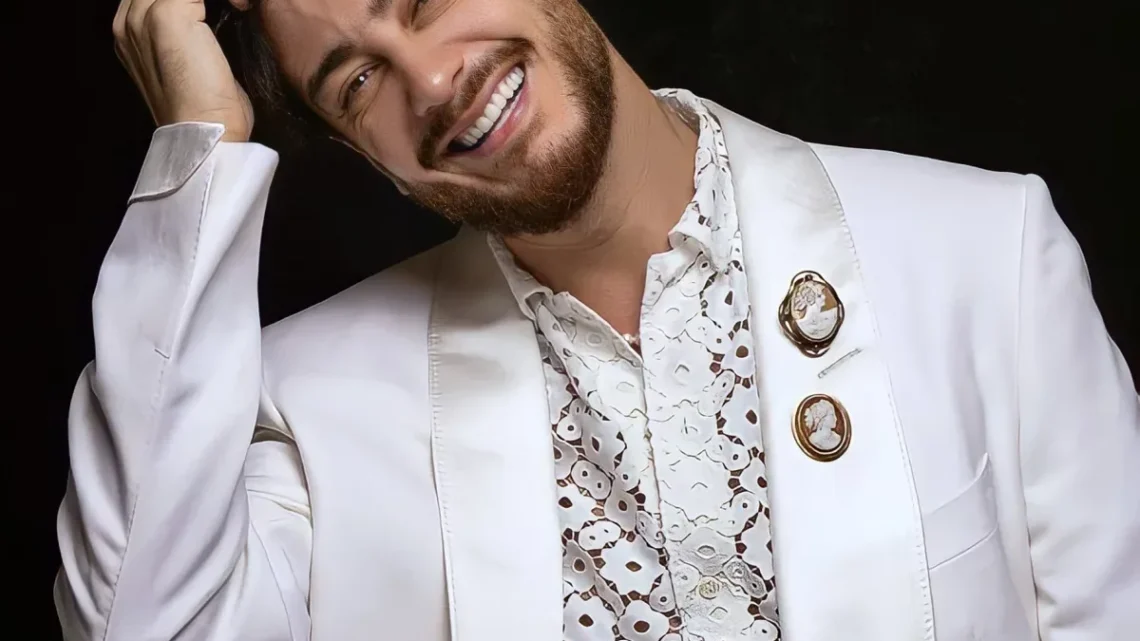
Meet Top 10 Richest Musicians in Morocco
From Casablanca's Shaabi royalty to streaming-era rap stars breaking Spotify's global charts, these are the musicians who turned Morocco's rich musical heritage into serious, multi-million-dollar fortunes.
Morocco’s music industry does not get nearly enough credit on the global stage. While conversations about wealthy African musicians tend to circle Lagos and Johannesburg, Casablanca, Rabat, and Marrakech have quietly been minting musical millionaires for decades.
From Shaabi royalty who packed stadiums before streaming was even a concept, to digital-native rappers cracking Spotify’s global debut charts, the Moroccan music economy is more sophisticated and more lucrative than most outsiders realize.
Trending Now!!:
What makes Morocco’s music wealth conversation particularly interesting is the diversity of its income streams. Unlike some markets where artists depend heavily on one revenue channel, Morocco’s top earners have built layered portfolios, blending concert bookings across the Arab world, Europe, and North America with endorsement deals, acting, YouTube advertising, Spotify royalties, and in some cases, business ventures that have little to do with music at all. That is not an accident. It is the product of a music culture that has been commercially savvy for a long time.
The figures below are estimates based on available public data, industry analysis, and career trajectories. Moroccan celebrity wealth, like celebrity wealth anywhere in the Global South, is notoriously difficult to pin down with precision. What the numbers do capture, however, is a meaningful picture of who has built the most durable, high-earning careers in the kingdom’s entertainment industry.
1. Saad Lamjarred
Net Worth: Approximately $10 Million to $15 Million

There is no serious conversation about Moroccan music wealth that does not begin with Saad Bachir Lamjarred. Born on April 7, 1985, in Rabat, he is the undisputed commercial king of the Moroccan music industry and one of the highest-earning Arab musicians of his generation.
His 2015 single Lm3allem did not just become a hit. It became a Guinness World Record holder, clocking 500 million YouTube views within three months of release. As of 2025, the video has surpassed one billion views, making it the most-watched Arabic music video on the platform.
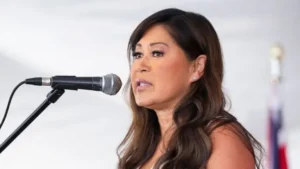



Saad Lamjarred’s net worth is estimated to range between $10.9 million and potentially $15.3 million, wealth primarily derived from his thriving music career, including album sales, concert tours, and streaming revenue.
His annual income from across his platforms alone runs into the millions, with estimates placing his 2025 earnings between $1.9 million and $2.9 million, making him the highest-earning Moroccan musician on the streaming charts.
Lamjarred moved to the United States in 2001, an experience he has credited with reshaping his artistic identity and exposing him to Western pop production. When he returned, he blended Moroccan rhythmic tradition with contemporary sound design in a way that felt genuinely new.
The formula worked spectacularly. Songs like Ghazali and Casablanca extended his commercial reach into French-speaking markets, while international collaborations with artists like French Montana and Pitbull pushed him into the global conversation.
His income streams extend well beyond music sales. Lamjarred is a Moroccan pop star with over 10 million monthly listeners on Spotify, and his collaborations with international artists, brand endorsement partnerships, and merchandise have contributed significantly to his financial success.
The controversies surrounding his legal troubles in France did dent his radio presence in Morocco and parts of the Arab world for a period, but they ultimately did not collapse his wealth-building infrastructure. His YouTube channel alone, with over 15 million subscribers, continues to generate substantial advertising revenue.
2. Douzi
Net Worth: Approximately $10 Million
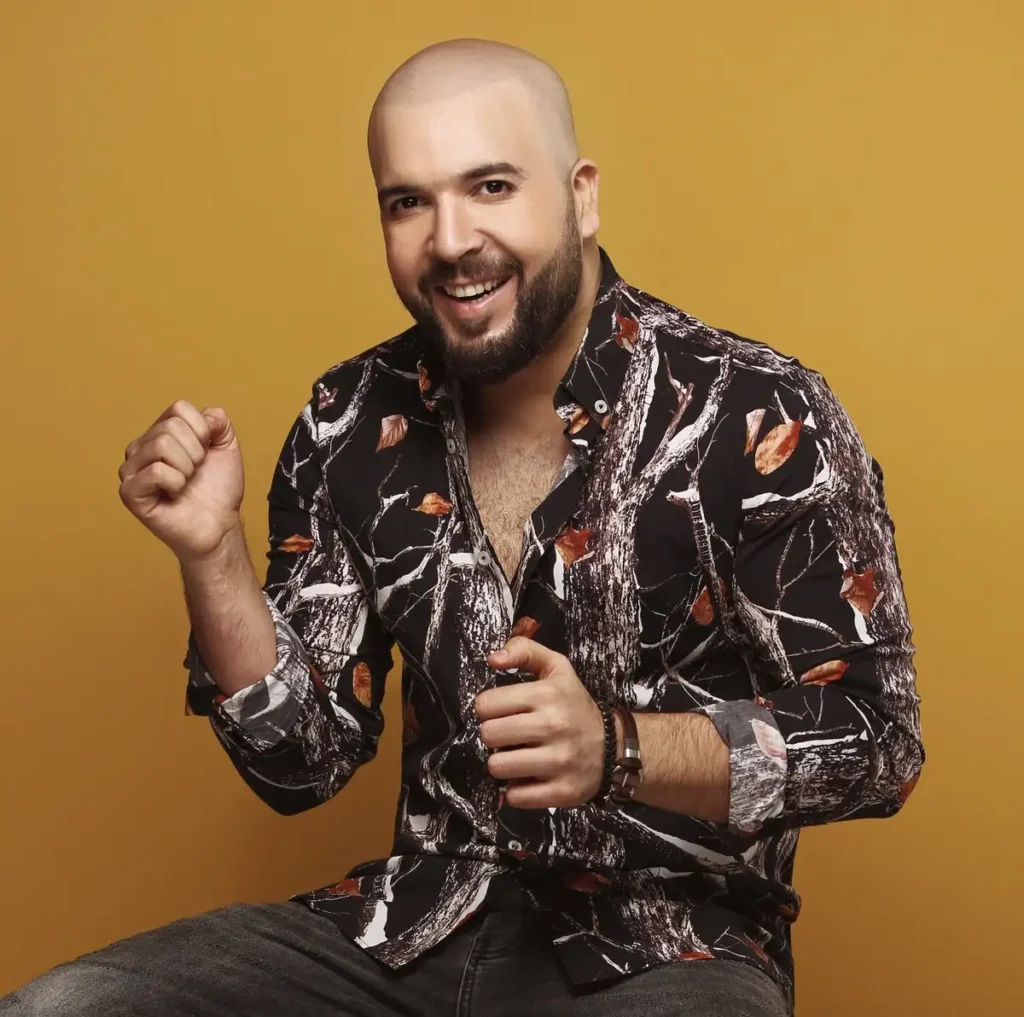
Douzi, born on May 1, 1985, is one of the most commercially successful Rai singers in North Africa, and a figure who has built a remarkably steady fortune over nearly three decades of professional performance.
His career began absurdly early. He gave his first major performance on the Moroccan channel RTM in 1997, making him a child television artist before he was old enough to drive. By the time his generation came of age, Douzi was already a professional with serious industry standing.
As of 2026, Douzi is estimated to have a net worth of $10 million, with his main income coming from music sales, concerts, endorsements, and brand partnerships. His net worth has grown consistently, rising from approximately $5 million in 2021 to $9 million in 2023.
Songs like Mazal Mazal, Fehmini, and Laayoun Aynia became fixtures in Moroccan popular culture, the kind of tracks that play at weddings, taxis, and corner cafes simultaneously.
Douzi’s appeal cuts across age groups in a way that is genuinely rare in any music market. He has performed extensively across Morocco, France, Spain, and the Gulf states, markets that consistently pay premium appearance fees to Arab pop artists who can fill rooms.
In 2016, Douzi was honored with the title of Knight of the Order of Wissam Al Moukafâa Al Wataniya by King Mohammed VI, recognizing his contributions to Moroccan music and culture.
That kind of royal recognition is not just symbolic. It translates into elevated status at state events, corporate engagements, and the kind of high-fee private performance bookings that rarely make the press but significantly boost an artist’s annual income.
3. Faouzia
Net Worth: Approximately $4 Million
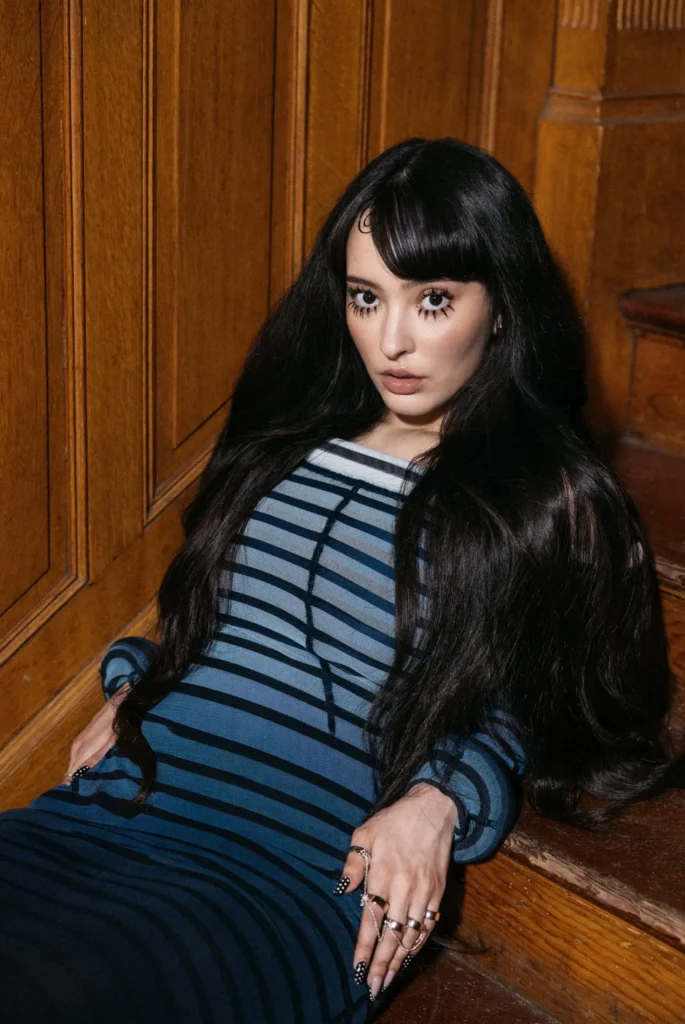
Faouzia Ouihya, known professionally as Faouzia, is arguably the most globally crossover-successful artist Morocco has produced in the last decade. Born on July 5, 2000, in Casablanca, she moved to Canada at a young age, eventually settling in Carman, Manitoba, where she began writing songs at age five and teaching herself piano at six.
Faouzia is a Canadian-Moroccan singer, songwriter, and musician with an estimated net worth of $4 million, a figure built on her music career, major collaborations, and live show earnings.
What distinguishes her trajectory from most Moroccan artists is how quickly and completely she broke into the Western mainstream music market, not as an “ethnic” curiosity but as a legitimate pop-crossover artist on global platforms.
Faouzia rose to mainstream attention after releasing her breakthrough single Tears of Gold in November 2019, and then entered the global spotlight with her hit single Minefields featuring John Legend in January 2021.
That track went viral, and the music video amassed over 125 million views on YouTube in just a year. She has also worked with David Guetta, appearing as a featured artist on his studio album 7, and collaborated with Kelly Clarkson on a Moroccan Arabic version of I Dare You. Each major collaboration adds a layer of global industry credibility, translating directly into higher booking fees and better streaming placement.
Faouzia was born in Casablanca and moved to Canada at a young age, and her dual heritage has shaped her identity and artistic expression. She is fluent in three languages: Arabic, French, and English, which has allowed her to connect with a diverse audience and express her creativity across multiple cultural registers.
4. Najat Aatabou
Net Worth: Approximately $2 Million to $5 Million
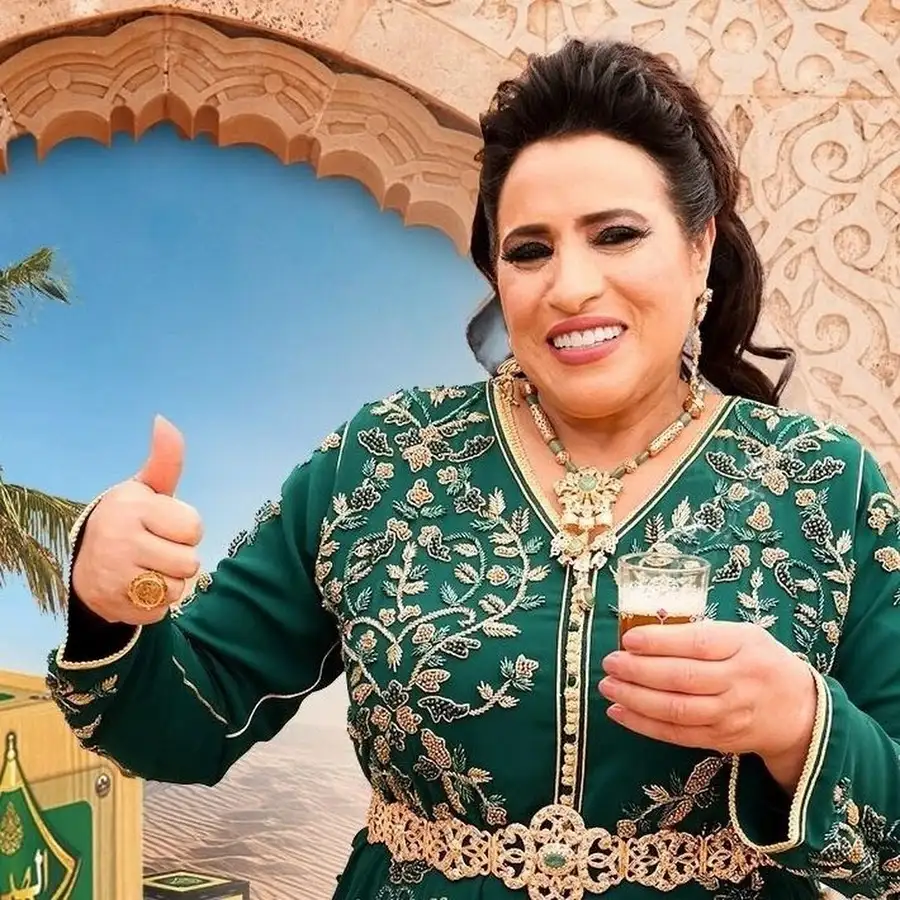
Nobody in this list has a story quite like Najat Aatabou’s. Born on May 9, 1960, in Meknes, she is the originator of the kind of resilient, woman-centered Moroccan storytelling that paved the way for every female artist who followed.
She is best known for her song Hadi Kedba Bayna, which was sampled by The Chemical Brothers in their 2004 song Galvanize, introducing her voice to an entirely new global audience that had no idea they were listening to Moroccan music.
Najat Aatabou has an estimated net worth of $2 million to $5 million, with her wealth coming from music sales, streaming revenue, and live performances, backed by significant earnings from her 25 albums and international tours.
Her origin story reads like fiction. When she was thirteen, she would sneak out of her bedroom window and sing at local weddings and school parties for money. A guest recorded her voice with a tape recorder; the tape was sold illegally throughout Morocco, and the song J’en ai marre became especially popular.
Her family soon found out and did not accept her choice. Her brothers threatened to kill her if she continued. She fled to a local music shop, and in a coincidence that changed Moroccan music history, the famous Moroccan music producer Mustapha El Mils walked in that same day looking for her after hearing the recording.
That story is not just a compelling backstory. It is proof of the kind of talent that builds wealth across generational boundaries. Aatabou’s music has been selling, streaming, and licensing continuously since the 1980s. Her song catalog functions like a long-term investment portfolio, generating royalty income long after the concert cycles end.
5. Hatim Ammor
Net Worth: Approximately $2 Million to $3 Million

Hatim Ammor is the textbook example of an artist who built his career through structured commercial positioning rather than accidental virality. Born on August 29, 1981, in Casablanca, he took a deliberate route through talent competitions before establishing himself as one of Morocco’s most bankable pop stars.
Hatim Ammor developed a passion for music at an early age and gained experience through numerous competitions before winning the Studio 2M show in 2005. Since then, he has remained at the forefront of Moroccan and Arab music, with tracks like Mchiti Fiha accumulating over 70 million YouTube views.
What makes Ammor’s financial position interesting is its consistency. He does not have a single billion-view video the way Saad Lamjarred does, but he has maintained a steady output of commercially reliable hits across nearly two decades.
In 2007, Hatim signed a contract with the Egyptian production company Alam Al Fan to launch his second album, Chabba, a deal that gave him pan-Arab distribution and considerably expanded his income footprint. He also made his first steps as an actor, first in Egypt, then in the Moroccan television series Bent Bladi in 2009.
Acting income from Arabic-language television productions is a significant source of revenue for Moroccan artists. While album sales and streaming are the public-facing metrics, private performance fees and TV appearance deals often contribute more meaningfully to an artist’s annual income at Ammor’s level.
6. Ihab Amir
Net Worth: Approximately $2 Million

Ihab Muwaffaq Mohammed Amir is one of the more interesting wealth stories in Morocco’s modern music ecosystem.
Born on May 14, 1994, in Safi, he rose to national prominence through his participation in the 11th season of Star Academy Arab World in 2015, where his unapologetic promotion of the Moroccan Darija dialect in an Arab singing competition won him a devoted following before he had released a single studio album.
Ihab Amir has an estimated net worth of $2 million, built through a career that blends rap, pop, and traditional Moroccan sounds. He has earned accolades,, including the MEMA Award and a Murex d’Or nomination, as one of the most popular singers in the Arab world.
Amir’s commercial strategy has been unusually culture-first. Rather than softening his Moroccan identity for broader Arab-market appeal, he leaned into it, rapping and singing in Darija at a time when that was not the conventional path to pan-Arab commercial success.
The gamble paid off: his debut single, Nta li Bditi, released in July 2015, quickly gained popularity, and his return to Morocco was marked by a massive welcome at Casablanca’s airport and in Safi, reflecting his rapid rise to fame.
His 2020 single 2 Kelmat and his 2023 release Bghit Ntir Yamma have shown continuous evolution as both a songwriter and a performer, which matters for long-term earning potential. Artists who grow do not depend on a single hit to sustain their income, and Amir has shown the creative range to stay commercially relevant.
7. Don Bigg
Net Worth: Approximately $1 Million to $2 Million
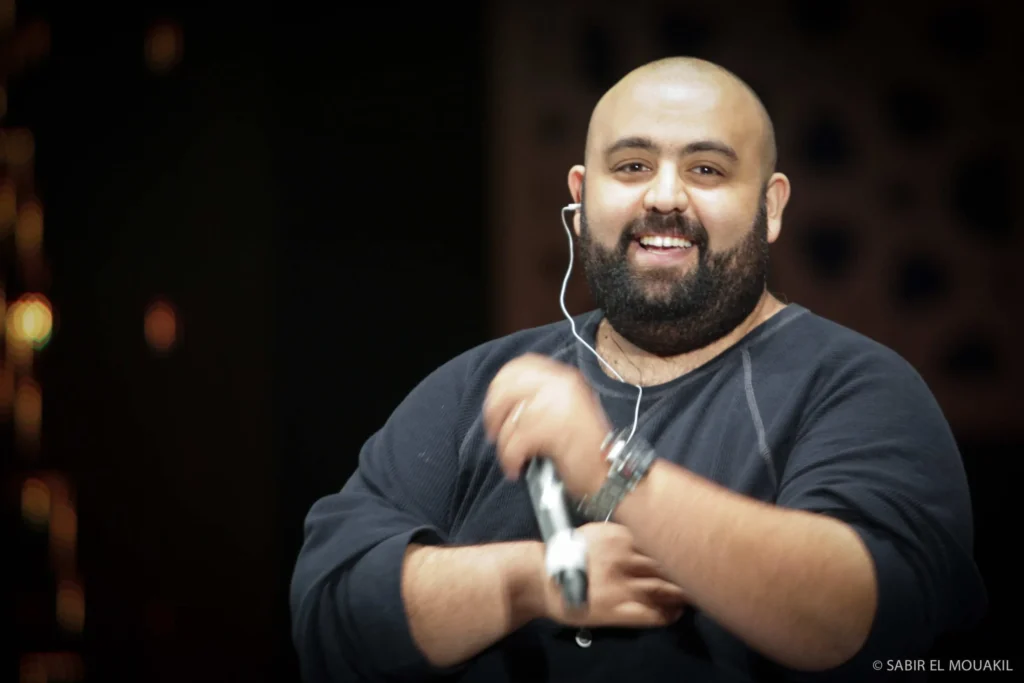
Taoufiq Hazeb, known to the world as Don Bigg, is not the wealthiest Moroccan musician by the numbers, but he is without question the most culturally influential rapper the country has produced.
His net worth reflects the structural reality of Moroccan hip-hop, a genre that commands genuine cultural authority but has historically generated less streaming and endorsement revenue than pop or Rai.
Don Bigg has an estimated net worth of $1-2 million, with his wealth primarily coming from album sales, streaming royalties, and live performances across Morocco and Europe.
Don Bigg began his musical journey at 14, initially rapping in English with local groups in Casablanca’s underground scene.
At 16, he joined the rap group Mafia-C, transitioning to Darija on the advice of his mentor Masta Flow, to connect with a broader audience. His debut album, Mgharba Tal Mout, released in 2006, was distributed initially for free with only 1,000 physical copies but downloaded by hundreds of thousands online, cementing his status with tracks like Family Familia and Al Khouf.
That model of free distribution to build an audience before monetizing is now a standard digital strategy. Don Bigg was doing it in 2006 in a North African context where the internet was nowhere near what it is today. It says something about his commercial instincts.
His acting roles, including Officer Issam in Redemption Day in 2021, and his role as head judge on the 2025 rap competition JamShow, highlight his continued multifaceted career and enduring impact on Arab youth culture.
8. ElGrandeToto
Net Worth: Approximately $1 Million to $1.6 Million
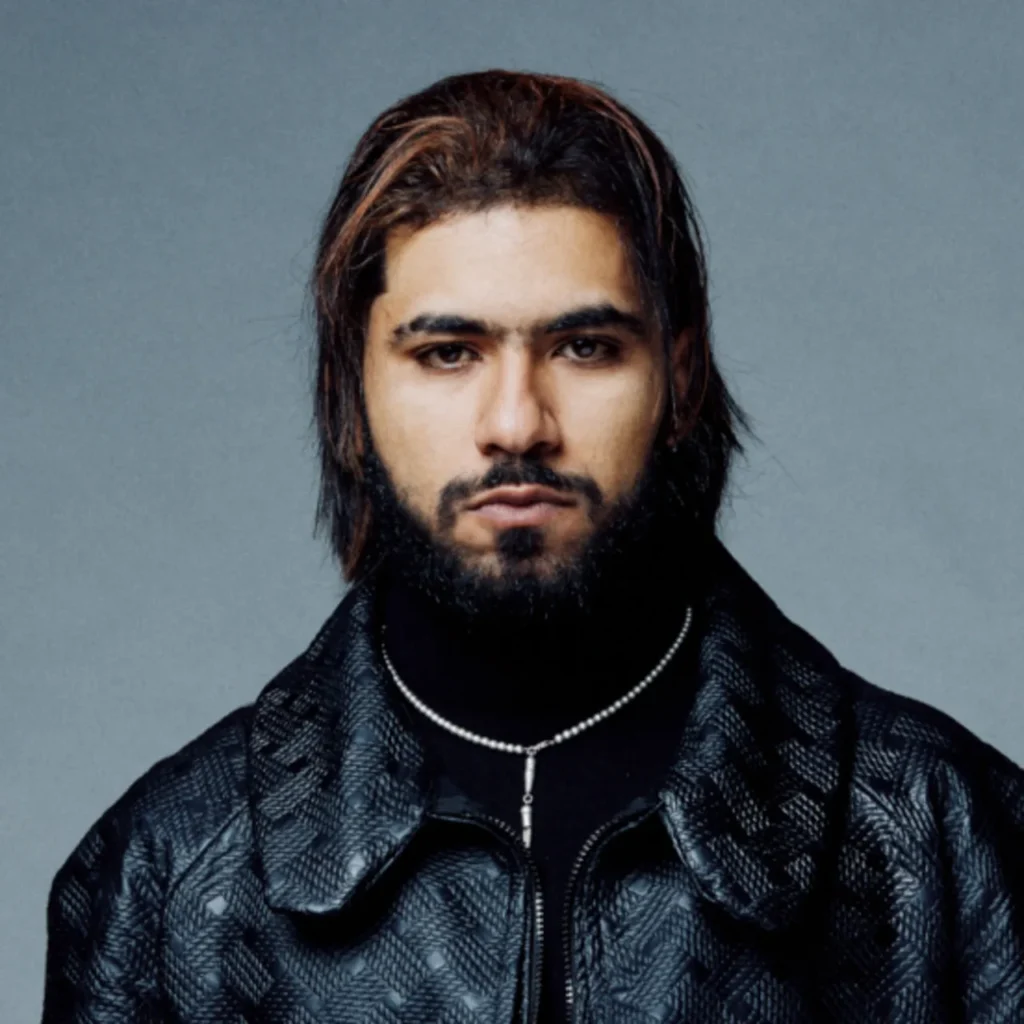
Taha Fahssi, known as ElGrandeToto, represents the new generation of Moroccan music wealth. Born in Casablanca in 1996, he is the most-streamed Moroccan artist in the digital era and the most successful Darija-language rapper to achieve international commercial recognition.
ElGrandeToto’s estimated net worth falls between $267,000 and $1.6 million. His 2017 breakthrough song Pablo propelled him into the Moroccan rap scene, and he became the most-streamed artist in the MENA area on Spotify in 2021, accumulating more than 135 million streams.
ElGrandeToto worked with Nigerian singer CKay on a Love Nwantiti remix in 2022 that went worldwide. With a diamond certification in France, the collaboration made ElGrandeToto the first Moroccan musician rapping in Darija to receive such an accolade.
His 2021 album Caméléon ranked among the top six worldwide album debuts on Spotify, and his 2023 album 27 peaked at number three on Spotify’s Top Album Debut Global Chart, attracting 10 million streams in just three days.
His wealth-building is still in its early stages relative to his commercial reach. The merch line, the Twenty-Seven Tour visiting Brussels, London, and Paris, and the sponsorship deals are all revenue pillars that are growing in proportion to his streaming numbers. The gap between his current estimated net worth and his streaming-era earnings potential is significant, and it is closing.
9. Zina Daoudia
Net Worth: Approximately $1 Million to $2 Million (Estimated)
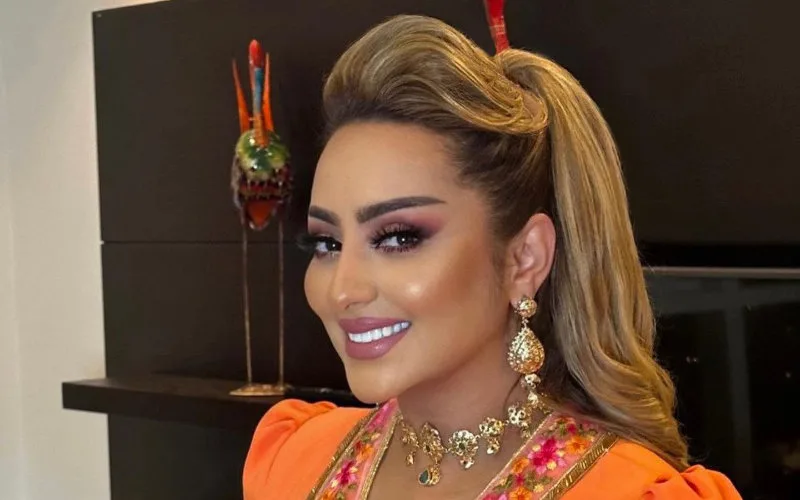
Zina Daoudia is Moroccan Shaabi royalty. Born on November 1, 1979, and raised in Casablanca, she has been one of the most distinctive voices in North African popular music for over two decades.
Her distinction lies partly in her versatility across genres, from Rai to Moroccan pop, and partly in the fact that she was the only Sheikha known to play an instrument, having learned both the violin and piano, which brought audience attention to her and helped her rise to the top of the Moroccan popular music scene in a short period of time.
What consistently generates income for Daoudia is live performance. Her concerts have been sold out across Morocco, France, Spain, Italy, Canada, Germany, Belgium, Algeria, the UAE, and Qatar, with some promoters scheduling additional concerts the following day to meet demand.
That touring footprint across both the Moroccan diaspora in Europe and the wider Arab Gulf circuit represents a significant annual revenue stream that does not fully appear in streaming metrics. She is the kind of artist who earns significantly more from a single private event in Dubai than from an entire month of streaming.
Her collaboration with DJ Van on the widely popular track Rendez-Vous and her continued output of popular Shaabi recordings have kept her commercially relevant across multiple generations of streaming and radio platforms.
10. Asma Lamnawar
Net Worth: Approximately $1 Million (Estimated)

Asma Lamnawar closed out this list as one of the most beloved voices in Moroccan music, an artist whose earning profile is driven almost entirely by the depth of audience loyalty rather than viral moment-chasing.
She entered professional music in 1995, when she took part in a national television production called Angham, and has since built one of the most sustained concert careers in Moroccan entertainment history.
Lamnawar’s income reflects the economics of long-term audience relationships. She performs at major festivals, including the Mawazine Festival in Rabat, one of the largest music events in Africa, and she commands premium fees from diaspora promoters who book her for events across Europe.
Her catalog of recordings has generated consistent royalty income over nearly three decades, and her television presence has kept her brand commercially active without relying on social media virality.
How Morocco’s Music Industry Creates Wealth
Understanding how these artists built their fortunes requires understanding the structure of the Moroccan music economy itself. It is not a system that resembles the American or British models, where record label advances, radio promotion, and arena tours form the backbone of artist income.
The Concert and Private Event Economy
In Morocco, live performance is where most of the serious money changes hands. Wedding bookings, corporate events, and private party appearances for wealthy clients in the Gulf states and the Moroccan diaspora in France and Spain can generate fees that significantly outpace those from streaming and album sales. Saad Lamjarred reportedly commands fees in the hundreds of thousands of dirhams per private event. Douzi and Hatim Ammor operate in similar territory. This is income that rarely appears in net worth estimates because it is private, cash-adjacent, and undocumented.
The Diaspora Factor
Morocco has one of the largest diaspora populations in the world, concentrated primarily in France, Spain, Belgium, and the Netherlands. This diaspora is economically productive, culturally connected to Moroccan music, and willing to pay premium ticket prices to see their favorite artists perform abroad. For artists like Faouzia, Don Bigg, and Zina Daoudia, European touring has been a consistent high-margin revenue stream that domestic concert economics alone could not replicate.
Streaming’s Changing Role
The relationship between Moroccan artists and streaming platforms is still maturing. ElGrandeToto’s Spotify numbers and Saad Lamjarred’s YouTube view counts represent the front edge of a structural shift in how Moroccan music wealth is being built. The generation of artists who came up before streaming, figures like Najat Aatabou and Douzi, built their wealth primarily through physical media, radio, and live performance. The current generation is building it through digital platforms first, then layering concerts and endorsements on top.
Arab World Distribution
Morocco’s artists do not just perform for Moroccan audiences. The Arabic-language market, which extends across North Africa and the Gulf states, represents a population of over 400 million people, all of whom share broadly overlapping musical tastes.
An artist like Saad Lamjarred, who sings in Modern Standard Arabic blended with Moroccan dialect, can sell out shows in Egypt, Lebanon, Saudi Arabia, and the UAE as easily as he can in Casablanca. That pan-Arab market access is a major multiplier on earning potential that purely domestic artists in other African markets simply do not have.
Final Thoughts
Morocco’s richest musicians built their wealth the same way musicians anywhere do: through relentless output, smart career decisions, and the willingness to evolve as markets change. What is distinctive about the Moroccan case is the convergence of a vibrant domestic concert economy, a large and financially supportive diaspora, access to pan-Arab markets, and a rich musical tradition that keeps audiences engaged across generations.
Saad Lamjarred sits at the top of this list not just because of one famous video but because he has built the most comprehensive commercial infrastructure of any Moroccan musician alive. Douzi has maintained his position for three decades through consistent performance at the highest commercial level. Faouzia has done what very few MENA artists manage: build genuine wealth from within the Western pop machine, on the industry’s own terms.
The rest of this list, from Najat Aatabou’s catalog-driven royalty income to ElGrandeToto’s streaming-era momentum, reflects a music economy that is increasingly sophisticated, globally connected, and culturally confident. Morocco does not have a music industry problem. It has a documentation problem. The wealth is there. It just does not always make the headlines.
What People Ask
NOTICE!! NOTICE!! NOTICE!!
At TheCityCeleb, we strive to provide accurate and up-to-date biographies and entertainment news, focusing on celebrities. Our editorial team researches information from reputable sources, including interviews, official statements, and verified media.If you spot an error or have additional details, please contact us at editor@thecityceleb.com. We value your feedback and are committed to maintaining trustworthy content.