Meet Top 10 Richest Photographers in the World
From a Las Vegas gallery empire to museum walls and magazine covers, the fortunes behind the camera follow very different paths.
Trending Now!!:
Ten photographers hold roughly $700 million between them, and one of them accounts for about seven of every ten dollars.
Peter Lik, the Australian-born landscape photographer based in Las Vegas, ranks first at an estimated $500 million. The other nine fortunes together come to about $204 million, and the ranking stretches down to roughly $3.7 million.
Lik’s route is the unusual one. Self-taught, he moved from Melbourne to Las Vegas and sells signed prints through galleries he owns, so his wealth is retail margin rather than art-market consensus. His own company’s figures describe sales in the hundreds of millions of dollars, while independent price records at auction tell a much smaller story.

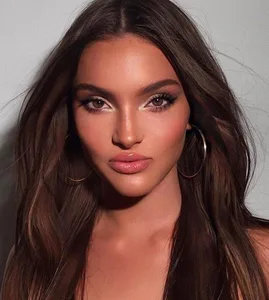
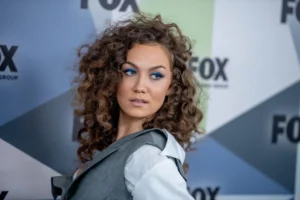
Further down, the list holds a portraitist who borrowed against her own archive, an artist whose staged self-portraits set an auction record, a former financier who found a second career among lions and polar bears, and a documentarian who funded a global project with a billionaire’s loan.
The headline numbers mislead. A record auction price belongs to one print, not to the photographer, and a day rate is not a balance sheet. Several names here earn more in a good year from advertising and magazine work than from gallery walls, yet the wealth that lasts sits in archives, copyrights, property and galleries.
Three routes explain the ranking: owning the retail channel, holding a long editorial and advertising career, and winning the museum and auction circuit. Figures move, and ranges are given where estimates differ.
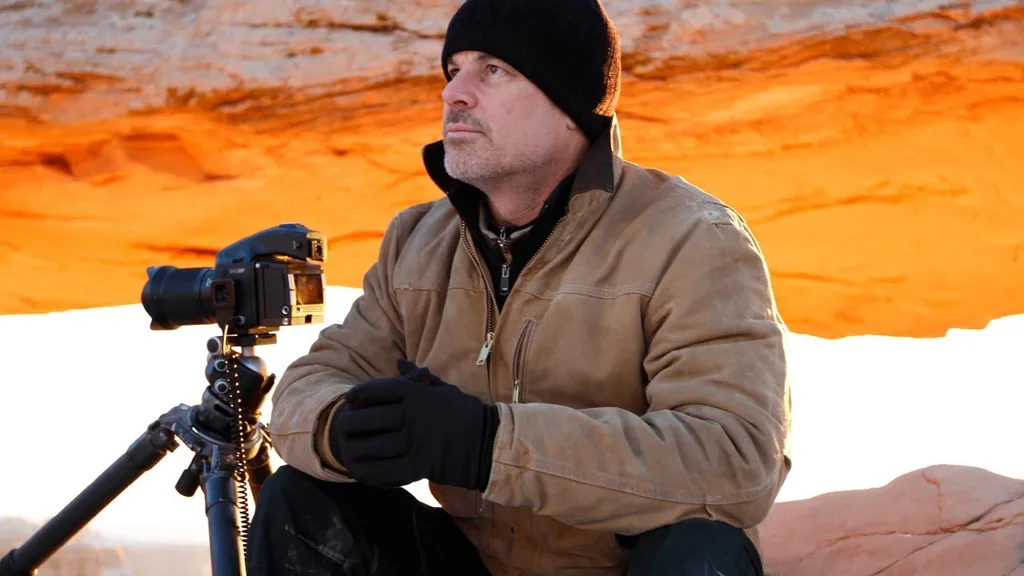
1. Peter Lik — $500 million
Peter Lik built the largest fortune in photography by removing the middlemen. Born in Melbourne to Czech parents, he took up panoramic cameras after a year spent travelling the United States in an old van.
His chief financial officer has put total print sales above $440 million. The defining moment came when Lik USA announced a $6.5 million private sale of “Phantom,” a black-and-white image of Antelope Canyon, as part of a $10 million package.
The buyer’s lawyer confirmed that the buyer exists, but the price has never been independently verified. At auction, Lik prints have changed hands for far smaller sums.
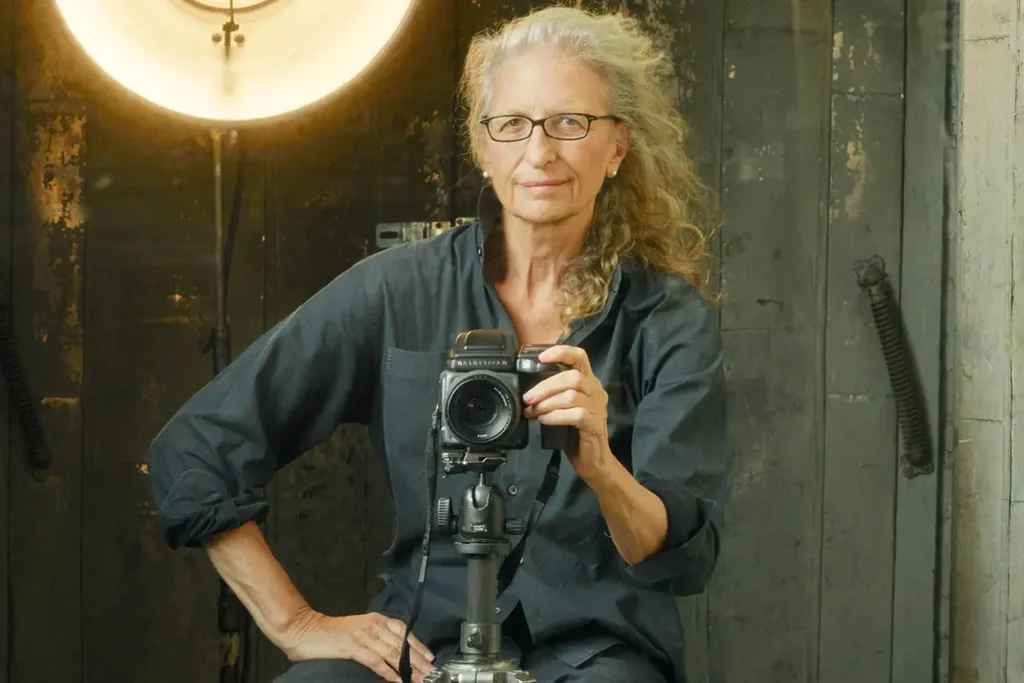
2. Annie Leibovitz — $60 million
Annie Leibovitz became chief photographer of Rolling Stone under publisher Jann Wenner, held the post for ten years, then moved to Vanity Fair.
She photographed John Lennon with Yoko Ono hours before his death, calling the result “the photograph of my life.” Her finances have been volatile: she borrowed $15.5 million against her houses and the rights to her photographs, and the lender later sued for $24 million before a new financing deal cleared it.
Brand work includes a Disney campaign and the Pirelli calendar. Estimates of Leibovitz’s fortune run from $20 million to $60 million.
3. Cindy Sherman — $35 million
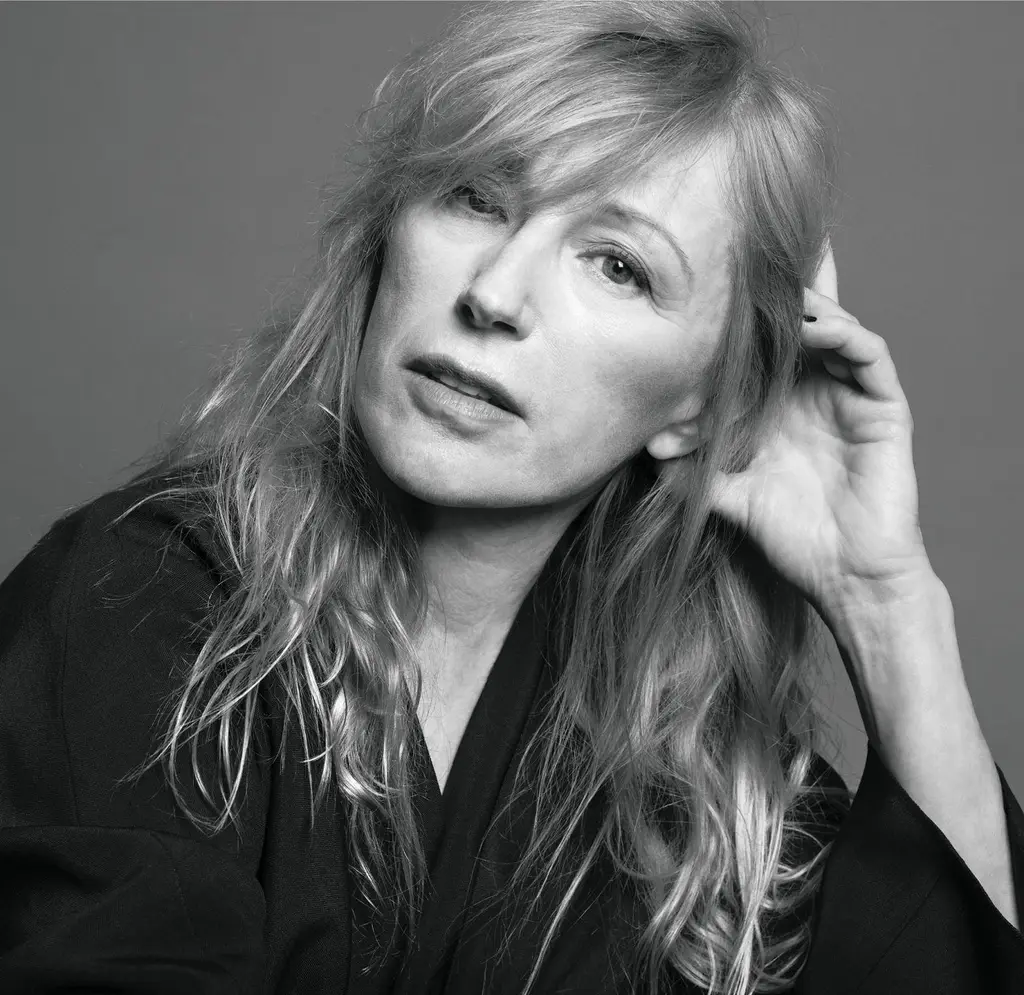
Cindy Sherman is the only artist on this list whose own face is the product. She plays every role in her staged self-portraits and rose with Untitled Film Stills, a black-and-white series the Museum of Modern Art bought for an estimated $1 million.
A print of “Untitled #96” sold at Christie’s for $3.89 million, the highest price paid for a photograph at the time. Sherman holds a Genius Grant from the MacArthur Foundation, has collaborated with Balenciaga and Comme des Garçons, and moved to Hauser & Wirth after four decades with Metro Pictures. Estimates start at $20 million.
4. Andreas Gursky — $30 million
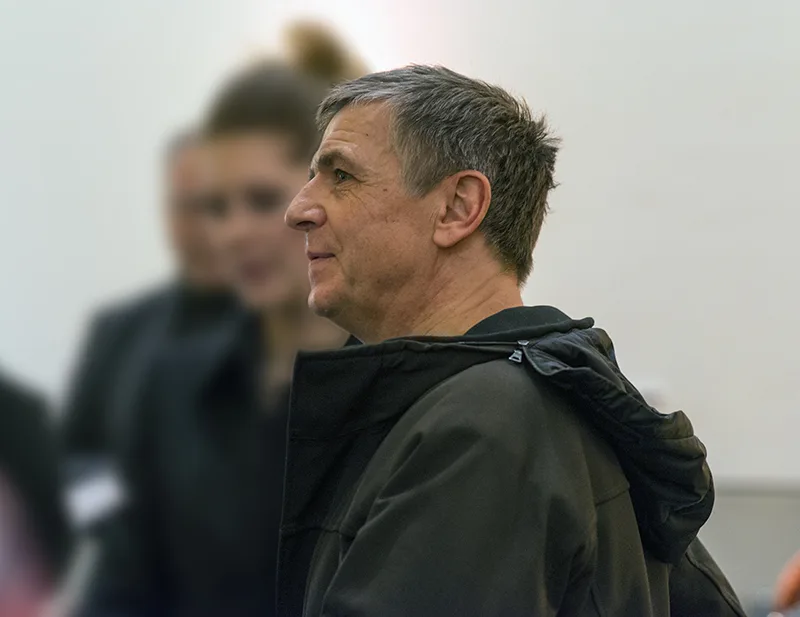
Andreas Gursky makes photographs the size of walls and sells them at the price of paintings. His “Rhein II,” a calm view of the Rhine from which a factory and dog walkers were digitally removed, sold at Christie’s for $4.34 million.
It stood as the most expensive photograph at auction for about a decade, until Man Ray’s “Le Violon d’Ingres” passed it. Another Gursky, “Chicago Board of Trade III,” reached $3.3 million.
Auction totals for his generation of German photographers have since fallen sharply, so the $30 million estimate says more about past sales than present demand.
5. Tim Walker — $22 million
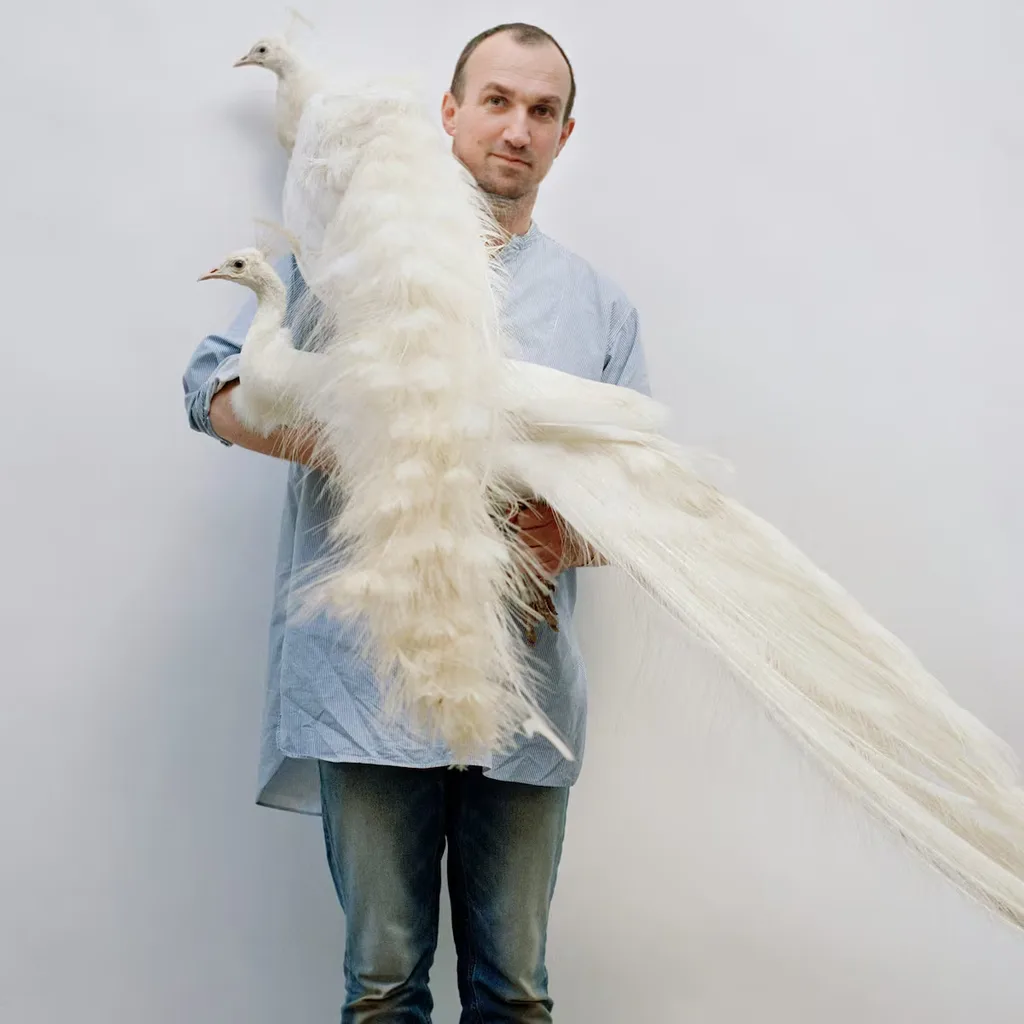
Tim Walker sells fantasy. The British photographer landed his first fashion story for British Vogue at 25 and has since built elaborate sets and couture fairy tales for Vogue, W, Love and Vanity Fair.
His largest cultural moment was “Wonderful Things,” an exhibition at the Victoria and Albert Museum that took four years to prepare and drew on the museum’s own collection.
Walker also shot the artwork for Harry Styles’s album Fine Line. Estimates of about $22 million are thinner here than for most names on this list.
6. David Yarrow — $20 million
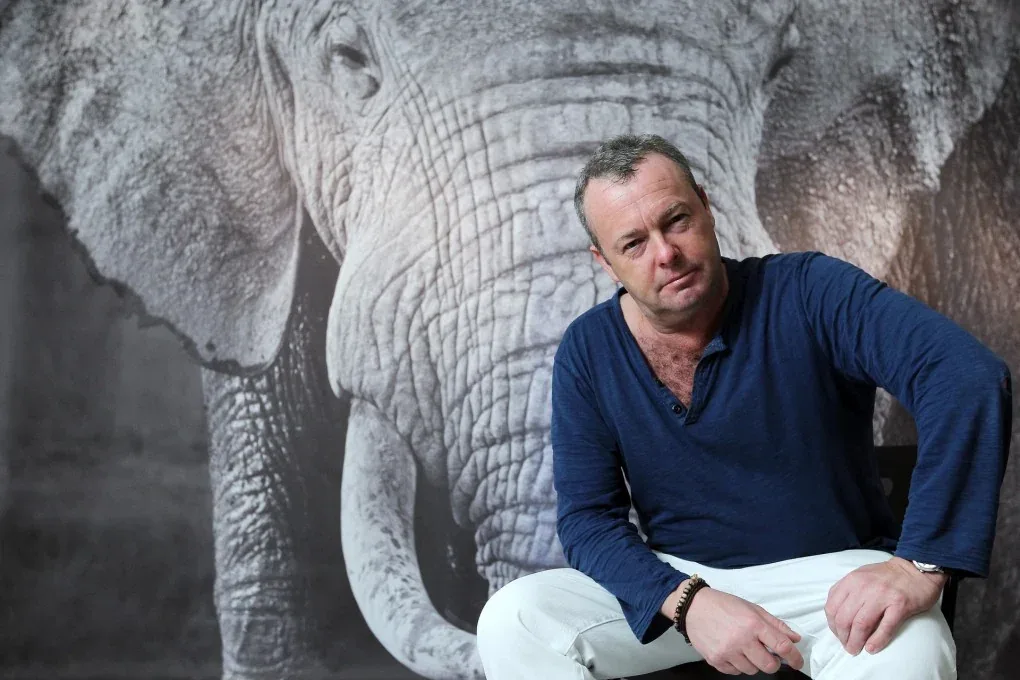
David Yarrow reached wildlife photography by way of the sports pitch and the trading floor. Born in Glasgow, he started shooting sports for The Times as a 20-year-old, later worked in finance, and now sells black-and-white limited editions.
“The Wolf of Main Street” sold at Sotheby’s for $100,000 against an estimate of $15,000, and the polar bear image “78 Degrees North” made £81,250 (about $109,000). A share of sales supports conservation charities, including Tusk Trust.
Yarrow’s business runs mainly through galleries rather than auctions, with estimates around $20 million.
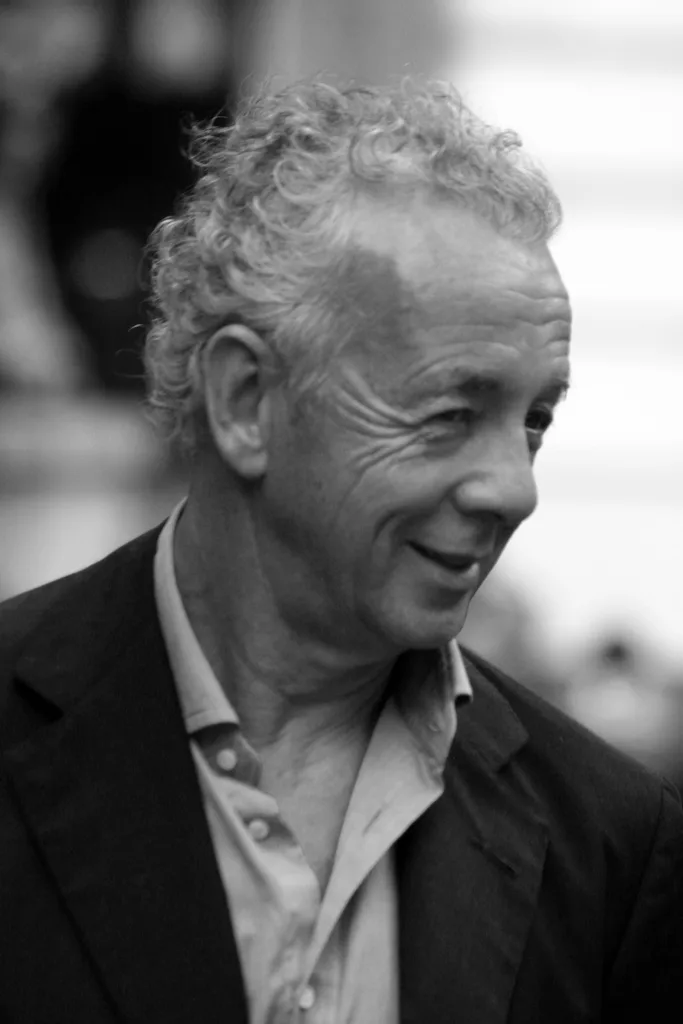
7. Gilles Bensimon — $20 million
Gilles Bensimon helped define the supermodel era. He joined French Elle in the late 1960s, helped launch the American edition two years later, and rose to international creative director and head photographer.
His lens shaped the careers of Christy Turlington, Cindy Crawford and Naomi Campbell, and he photographed Gisele Bündchen, Madonna and Beyoncé.
Campaigns for Maybelline, Clarins, Saks Fifth Avenue and Kohl’s widened his income, as did television work on America’s Next Top Model. Estimates of Bensimon’s fortune run from $20 million to $30 million.
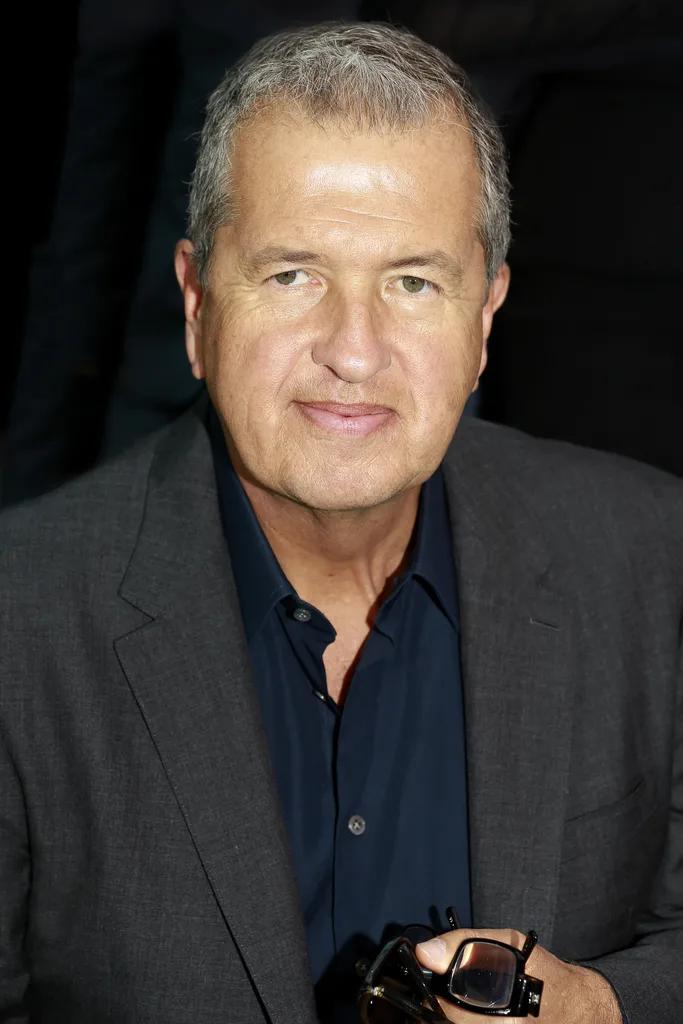
8. Mario Testino — $8 million
Mario Testino carried a Lima upbringing into the top tier of fashion. His Vanity Fair portraits of Princess Diana led to years of royal commissions, and one print from the series sold for £100,000 (about $130,000) to fund a clinic in Peru.
His campaigns with Tom Ford and Carine Roitfeld are widely credited with reviving Gucci. He took the engagement portraits of the Duke and Duchess of Cambridge, opened the MATE museum in Lima and received an honorary OBE.
Testino has denied allegations of misconduct published in The New York Times; Condé Nast then stopped commissioning new work from him.
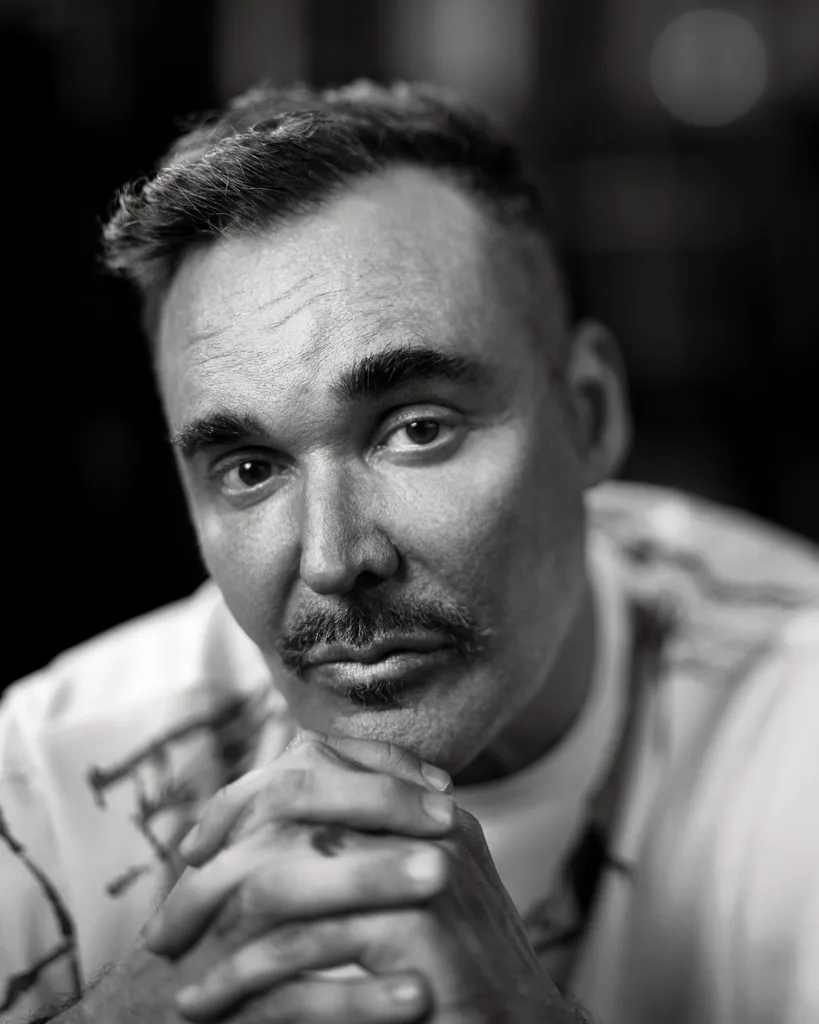
9. David LaChapelle — $5 million
David LaChapelle was 17 when Andy Warhol hired him to shoot for Interview. He became the maximalist of celebrity imagery in Vanity Fair, Rolling Stone and Vogue Italia, then of music video: “Dirrty” for Christina Aguilera, “Everytime” for Britney Spears and “Take Me to Church” for Hozier.
LaChapelle later left Los Angeles for Hawaii to concentrate on fine-art work, and his show “Make Believe” at Fotografiska New York was his first major museum solo exhibition in North America. Estimates near $5 million sit well below the reach of his name.
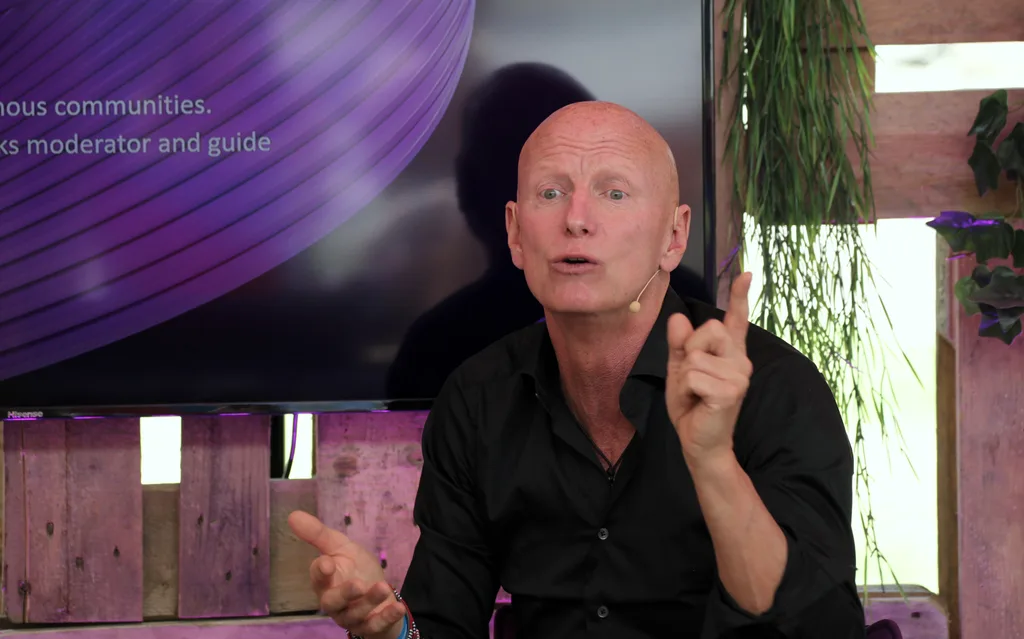
10. Jimmy Nelson — $3.7 million
Jimmy Nelson earns his place through one expensive idea. Born in Kent and based in Amsterdam, he spent about three years photographing more than 35 indigenous peoples with a 50-year-old large-format camera for Before They Pass Away, a project funded by a loan from Dutch billionaire Marcel Boekhoorn.
A later book, Homage to Humanity, gathered more than 400 photographs of 30 cultures. Critics, including Stephen Corry of Survival International, say the work gives a false picture of tribal peoples. Nelson describes it as an “aesthetic, romantic, subjective” representation rather than reportage.
What People Ask