Meet Top 10 Richest Real Estate Moguls in the World
From a Sydney apartment builder who started in 1963 to a Dubai developer courting Washington, the ten richest real estate moguls control $164.9 billion in land, towers and rent rolls.
The youngest of the world’s ten richest real estate moguls is 71, and seven of them are 80 or older.
Property rewards patience on a scale few industries match: most of these fortunes rest on land, towers and apartment blocks assembled decades ago and never sold.
Trending Now!!:
Property is the slowest way to become a billionaire and one of the most durable. The ten richest real estate moguls in the world average about 85 years old, seven are 80 or older, and most still control the land, towers and apartment blocks they assembled decades ago.
The richest real estate mogul in the world is Australia’s Harry Triguboff, worth $23.4 billion, ahead of America’s Stephen Ross at $21.5 billion, Hong Kong’s Kwong Siu-hing at $20.7 billion and California’s Donald Bren at $19.8 billion. Together, the ten richest hold $164.9 billion.
Their fortunes rest on a simple pattern: buy prime land early, hold through downturns, and let rents compound.
Most of these holdings sit inside listed companies, so the figures move with share prices. Tycoons whose wealth is spread across ports, retail and jewelry, including Hong Kong’s Li Ka-shing and Henry Cheng, are excluded.



1. Harry Triguboff — $23.4 billion
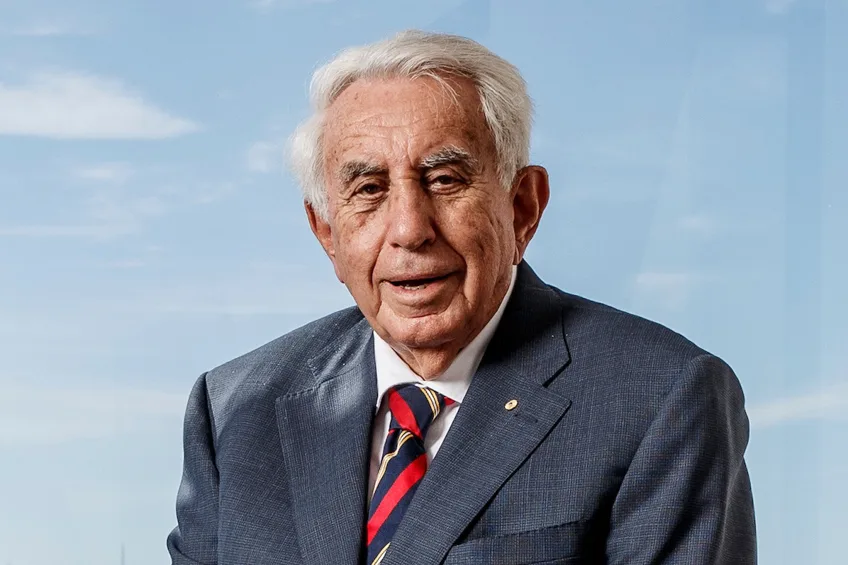
Harry Triguboff, 93 years old, was born in Dalian, China, to Jewish immigrants who had fled Russia, and he built his first small block of units in Sydney in 1963.
Meriton, named after the street of an early 18-unit project in Gladesville, has delivered roughly 78,000 apartments and operates about 6,200 hotel suites. Three percent of Sydneysiders live in a Meriton building.
Known as “High-Rise Harry,” Triguboff bet early that Australians would trade backyards for apartments, and he still owns and leases much of what he builds instead of selling it all.
2. Stephen Ross — $21.5 billion
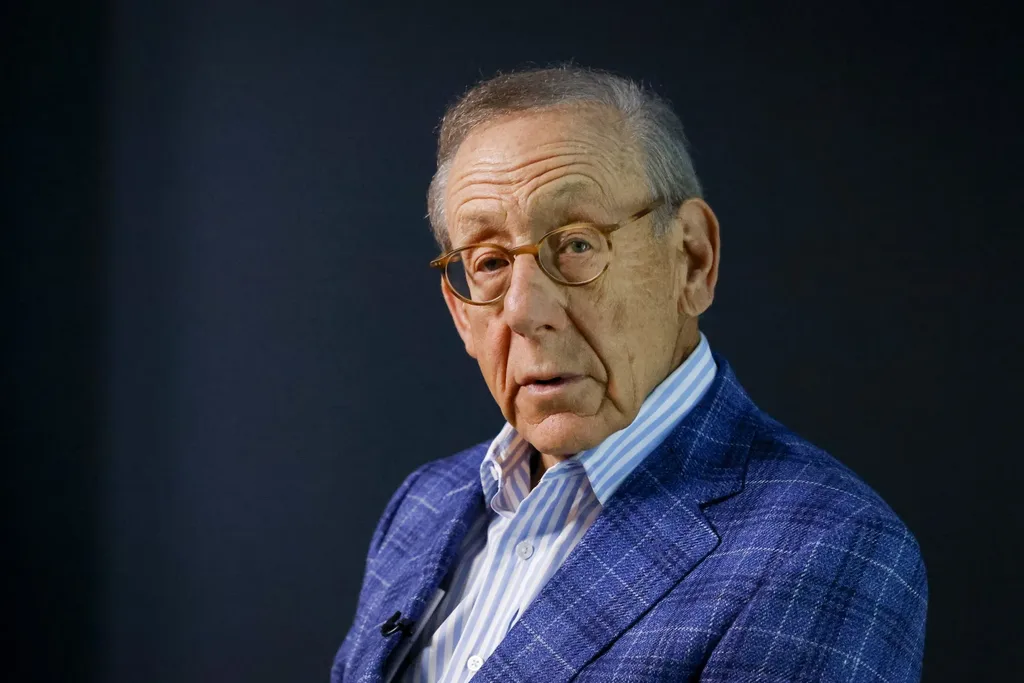
Stephen Ross, 86 years old, founded Related Companies in 1972 and turned it into one of the largest private developers in the United States, with more than $60 billion of properties owned or in development.
His signature projects are the Deutsche Bank Center, formerly the Time Warner Center, and the 28-acre Hudson Yards on Manhattan’s West Side, the most expensive private development in American history.
Ross remains non-executive chairman of Related and owns about 95 percent of the Miami Dolphins, which contributes meaningfully to his net worth alongside his property holdings.
3. Kwong Siu-hing — $20.7 billion
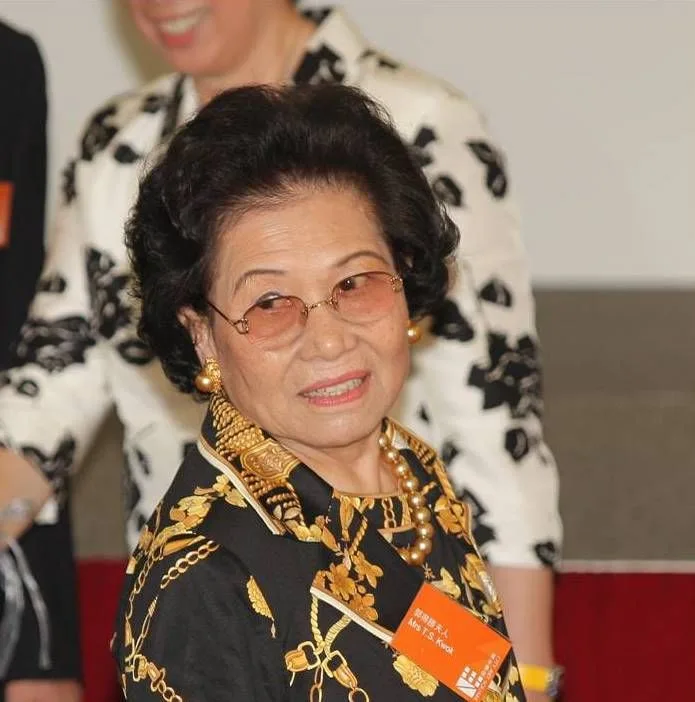
Kwong Siu-hing, 96 years old, is the matriarch of the family that controls Sun Hung Kai Properties, Hong Kong’s largest developer, which her late husband Kwok Tak-seng co-founded.
She briefly chaired the company in 2008 before her sons Thomas Kwok and Raymond Kwok took over as co-chairmen in 2011.
Her fortune is largely a family trust stake in a landlord whose shopping malls, offices and land bank dominate the city, and the company paid a record $5 billion for a single Hong Kong plot in 2019. Rankings attribute the shared family wealth to Kwong as its senior figure.
4. Donald Bren — $19.8 billion
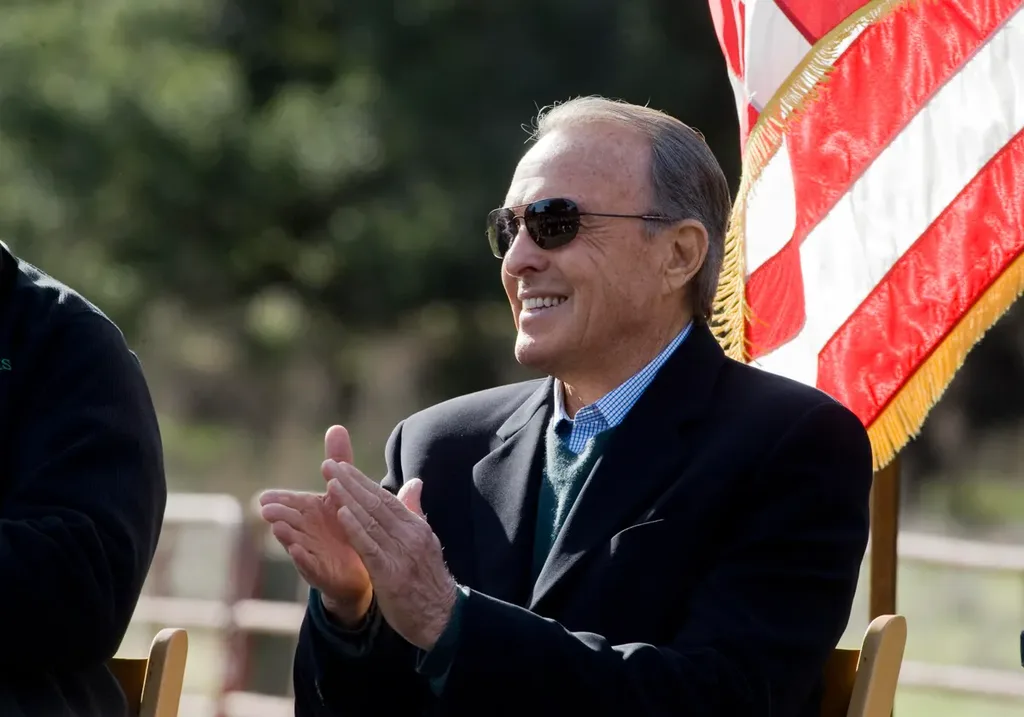
Donald Bren, 94 years old, acquired the Irvine Company in 1977 and has run it as a patient, hold-forever landlord ever since.
The company controls 129 million square feet, including more than 590 office buildings, 40 retail centers and 65,000 apartments across over 125 communities, which makes it California’s largest apartment owner. Bren also owns the MetLife Building in New York.
He has set aside more than 57,000 acres of the 93,000-acre Irvine Ranch as permanent open space, a conservation record that sits oddly with his reputation as America’s wealthiest property baron.
5. Hussain Sajwani — $15.3 billion
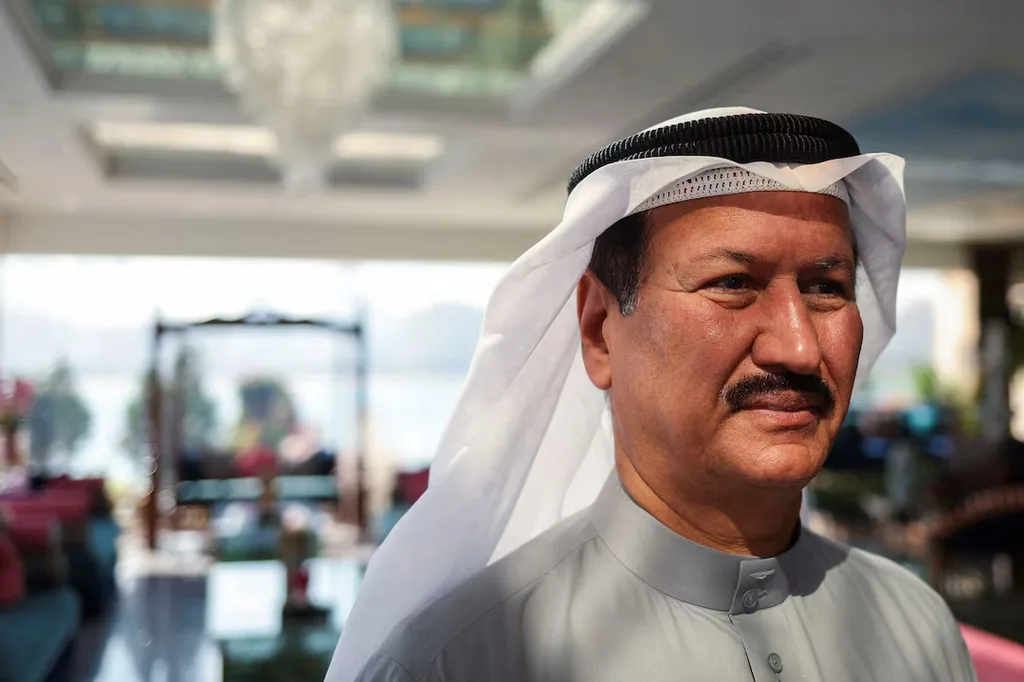
Hussain Sajwani, born in 1953, founded DAMAC Properties in 2002, just as Dubai opened selected districts to foreign buyers.
The 2008 crash cut residential values by more than 60 percent and forced developers to cancel projects, yet DAMAC survived, and a later Dubai boom lifted his fortune sharply.
Nicknamed “the Donald of Dubai” for his partnership with the Trump Organization on a Donald Trump-branded golf club and his marketing stunts, including free luxury cars for apartment buyers, Sajwani pledged $20 billion for United States data centers in January 2025 and is pushing into digital infrastructure.
6. Peter Woo — $14.5 billion
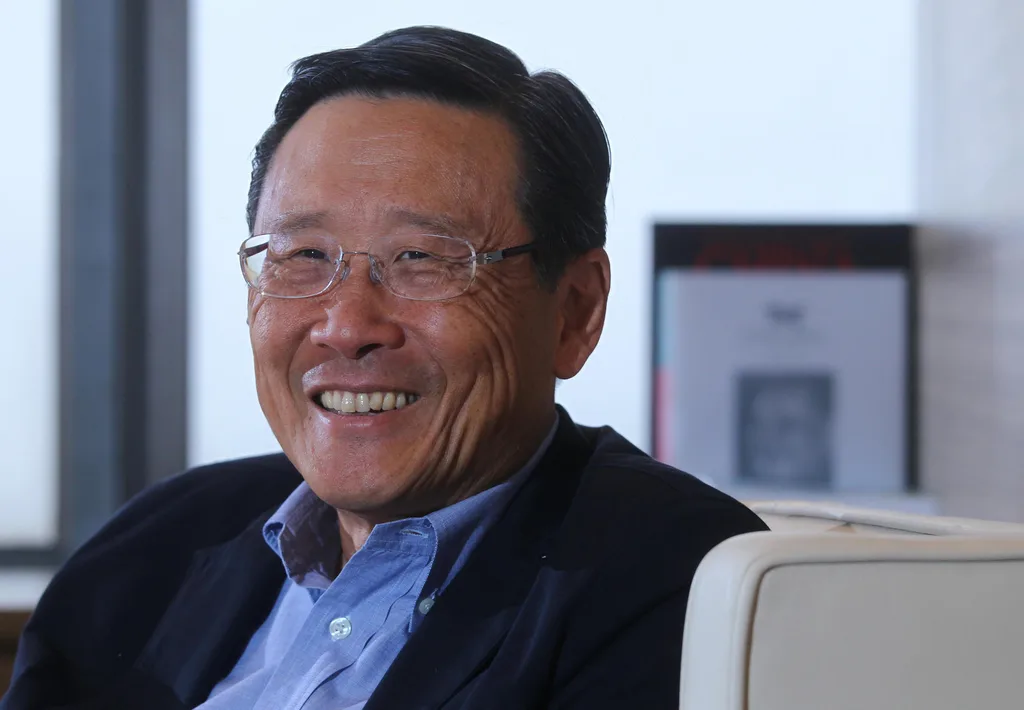
Peter Woo, 80 years old, was born in Shanghai and took control of Wheelock and Company and Wharf Holdings in 1986 from his father-in-law, the shipping magnate Yue-kong Pao.
Under his leadership, the group built a portfolio centered on Harbour City and Times Square, two of Hong Kong’s most productive retail landlords.
Woo stepped down as chairman in 2015, handing the group to his son Douglas Woo. Wharf’s real estate arm is reportedly weighing a sale of Singapore’s Orchard Road properties for at least $1.1 billion, a reminder that even long-held trophy assets get pruned.
7. Joseph Lau — $14.3 billion
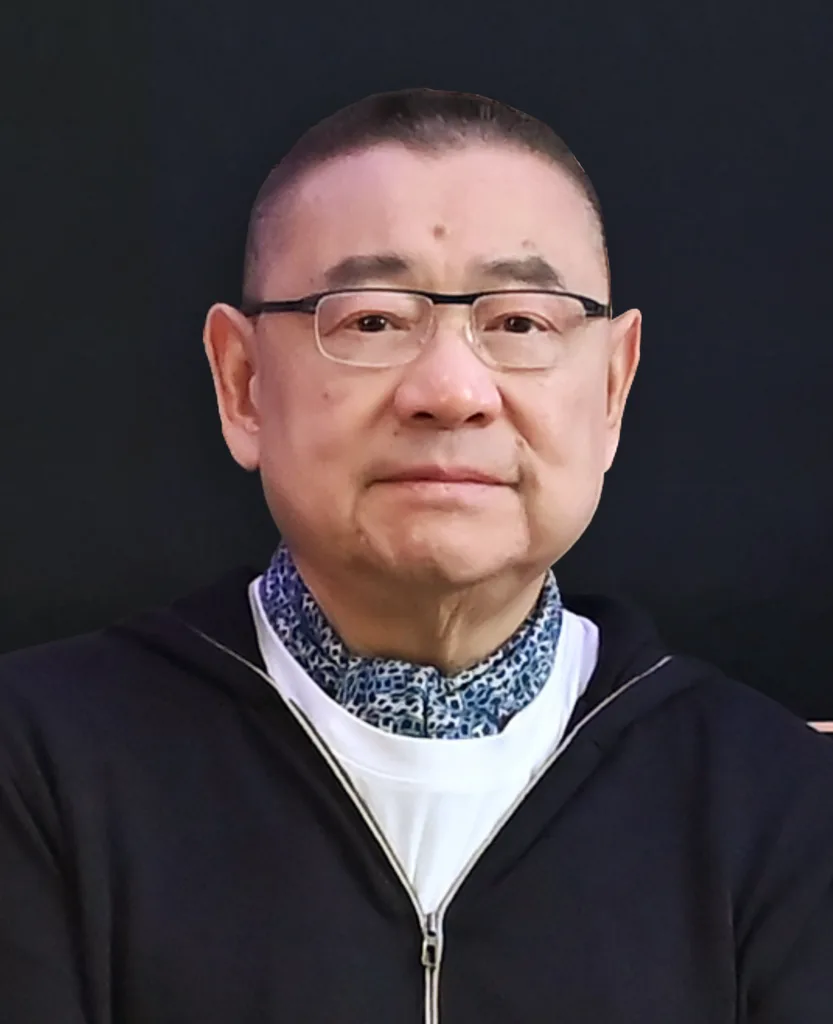
Joseph Lau, 75 years old, built his fortune through Chinese Estates Holdings, the Hong Kong developer behind The ONE shopping tower.
A Macau court convicted him of bribery and money laundering in 2014 and sentenced him in absentia to five years and three months. He has stayed beyond its reach because Hong Kong and Macau lack an extradition treaty.
The company’s costly investment in Evergrande hurt its results, and Lau later moved to take it private. He remains one of Asia’s best-known art and wine collectors, and his control over the property empire has never fully lapsed.
8. David Reuben — $13.2 billion
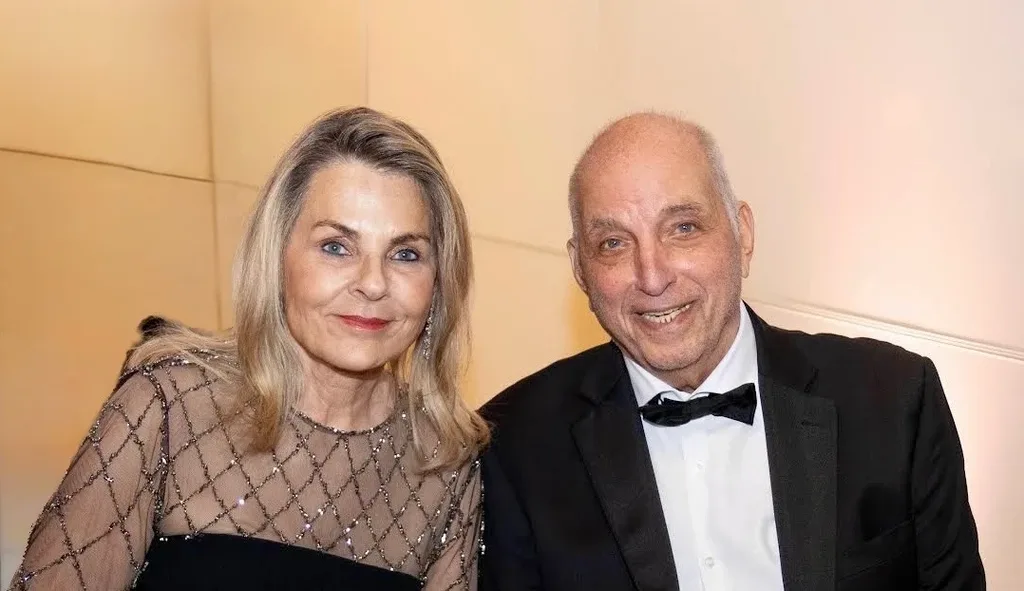
David Reuben, born in 1938, and his brother Simon Reuben started in metals trading in 1977 and sold their interest in Trans-World for $250 million in 2000.
They then rebuilt as property and private-investment operators, and the 2016 sale of 49 percent of the Global Switch data center business brought in roughly $3 billion. The Sunday Times Rich List placed the family second in Britain at £27.9 billion (about $37 billion).
Reuben’s fortune is a hybrid of real estate, private equity and infrastructure, and he was reported to have moved to Monaco.
9. Kushal Pal Singh — $12.1 billion
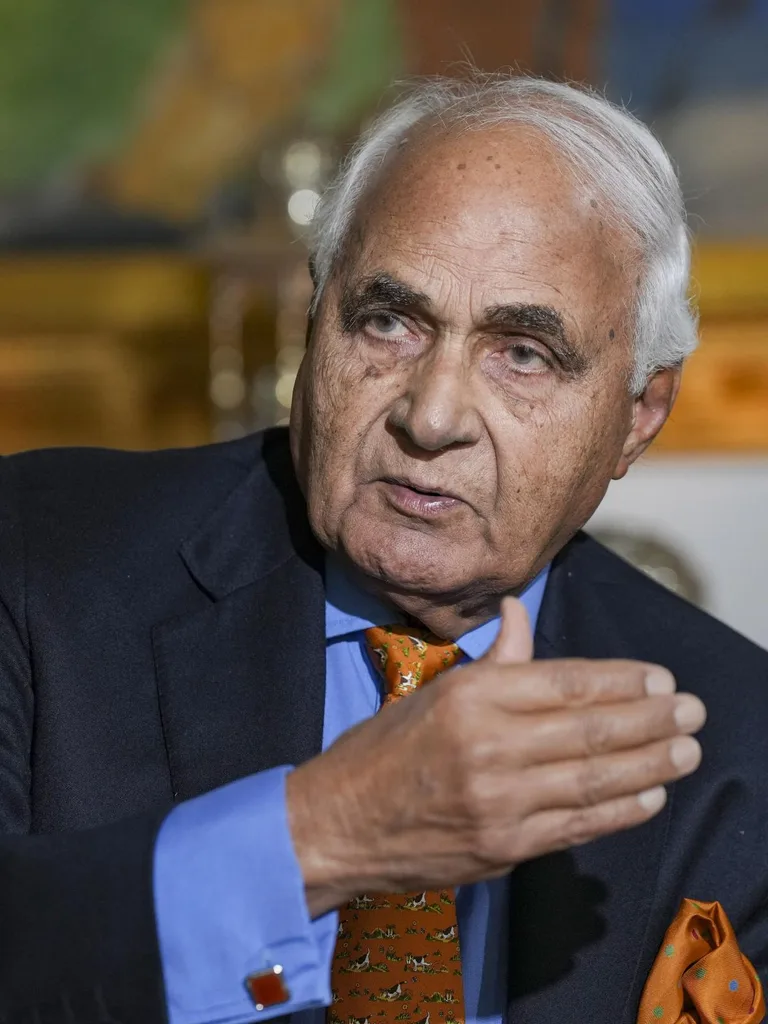
Kushal Pal Singh, 95 years old, left the Indian Army to run DLF after marrying the daughter of its founder, Chaudhary Raghvendra Singh, and he nearly sold his shares in 1975 for 25 lakh rupees (about $30,000) before the company won land licenses in the early 1980s.
He then turned farmland at the edge of Delhi into Gurgaon, a commercial and residential city that did not exist as a business district before DLF built it.
DLF was listed in 2007, and Singh handed the chairmanship to his son Rajiv Singh in 2020. His wealth has fallen from $14.5 billion a year earlier, tracking DLF’s share price.
10. Jeff Greene — $10.1 billion
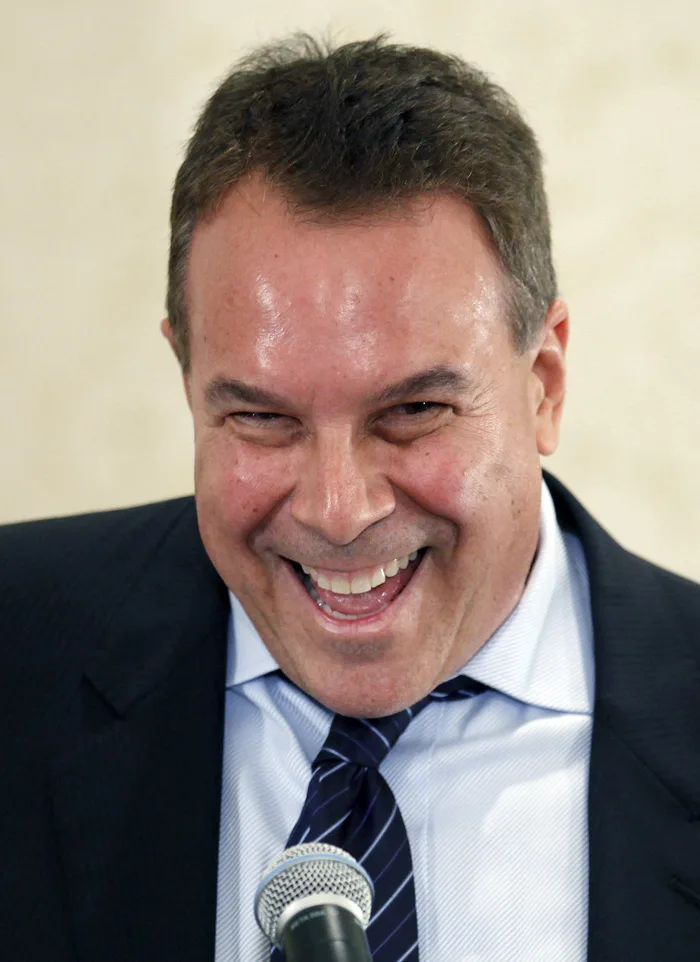
Jeff Greene, 71 years old, started as a waiter and busboy at The Breakers in Palm Beach and built a Los Angeles property portfolio before making the bet that defined his career.
In April 2006, he shorted $1.1 billion of subprime mortgage securities, and the housing collapse paid him roughly $800 million.
He redeployed that cash into distressed real estate in Florida, New York and California. His fortune rose from $9 billion to $10.1 billion over the past year, making Greene the only member of this group who owes his breakthrough to anticipating a property crash.
The ten fortunes total $164.9 billion, and seven of the owners are 80 or older, with an average age near 85. Hong Kong supplies three of them, which reflects how much of that city’s wealth rests on land scarcity and rental income.
The common pattern is long ownership: Bren, Triguboff and the Kwok family kept hold of prime assets through downturns instead of selling into them, while Sajwani and Greene made their money by buying when others fled. Succession is now the biggest test, because most of these empires will pass to heirs or independent boards within a decade.
What People Ask