Meet Top 10 Richest Royals in the World
From Thailand’s Crown Property Bureau to Brunei’s oil fields, the fortunes behind the world’s wealthiest thrones, ranked and explained.
King Maha Vajiralongkorn of Thailand leads the world’s richest royals with an estimated $30 billion to $52 billion, followed by Sultan Hassanal Bolkiah of Brunei at $20 billion to $30 billion and King Salman bin Abdulaziz Al Saud of Saudi Arabia at $18 billion to $20 billion.
Prince Hans-Adam II of Liechtenstein, Sheikh Mohammed bin Rashid Al Maktoum of Dubai, and Henri, the former Grand Duke of Luxembourg, follow in the single-digit billions, with estimates for Hans-Adam II stretching as high as $13.7 billion. King Charles III closes the ranking at £680 million.
Trending Now!!:
Land and oil explain most of the money. The top three fortunes come from a property trust that became personal wealth and from two hydrocarbon economies, which together account for the large majority of the combined wealth of everyone ranked here. This runs counter to the popular image of royal riches as palaces and crown jewels.
No monarch publishes audited accounts, so every figure below is an estimate built from corporate filings, property records, and analyst judgment. A single royal can appear at $30 billion on one list and $52 billion on another, and the gap usually reflects definition more than disagreement about assets.
The Ten Richest Royals, Ranked
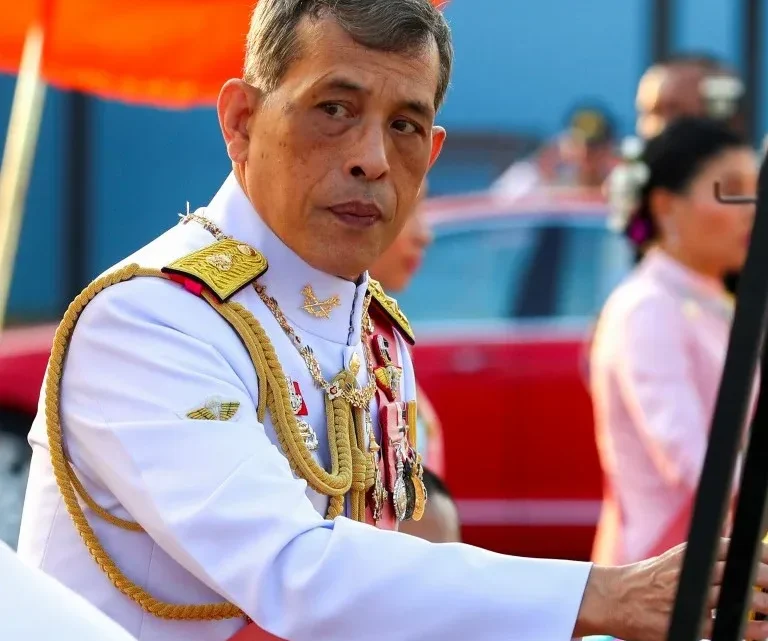
1. King Maha Vajiralongkorn — $30 billion to $52 billion

King Maha Vajiralongkorn, also known as Rama X, is the richest royal alive, though the exact figure depends on whether the Crown Property Bureau counts as his personal property. Estimates start near $30 billion and run to $52 billion.
A 2017 law placed the bureau’s assets under his discretion, ending the arrangement in which a board made buying and selling decisions. The bureau holds title to about 6,560 hectares of land, with 40,000 rental contracts nationwide, including 17,000 in Bangkok, where it owns roughly 1,328 hectares of land, some of it in the heart of the business district.




Shares worth about $9 billion in Siam Cement Group and Siam Commercial Bank were reclassified as Maha Vajiralongkorn‘s personal assets. The palace also announced that the assets would carry the same duties and taxation as any citizen’s property, ending a tax exemption that dated to the 1930s.
Thailand’s strict royal insult law shields the monarchy from scrutiny, and the palace does not declare its wealth. Students at Thammasat University demanded in 2020 that the assets return to the bureau under government oversight, a rare public challenge.
2. Sultan Hassanal Bolkiah — $20 billion to $30 billion
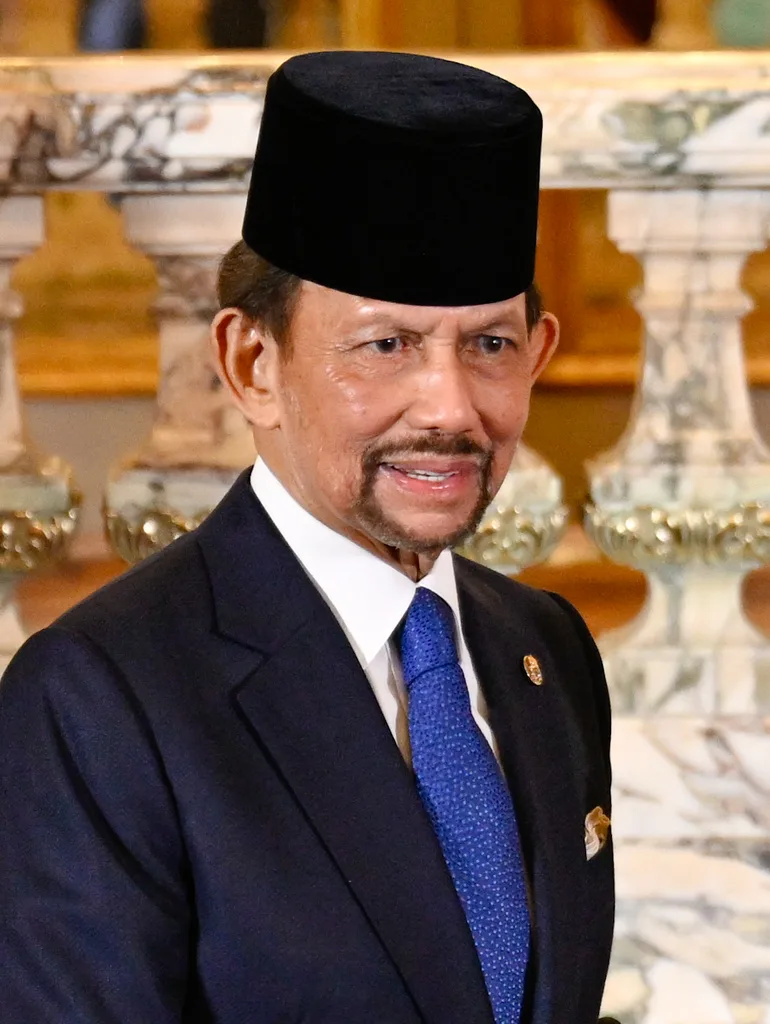
Sultan Hassanal Bolkiah has ranked second on royal wealth lists for decades, with estimates between $20 billion and $30 billion. His fortune traces to Brunei’s oil and gas reserves, managed through state bodies and investment arms, and Forbes was already placing him at $20 billion in its earliest royal rankings.
His wealth is the most volatile of the top three. Landowning monarchs benefit from rising property values, while a ruler tied to hydrocarbons sees his valuation move with energy prices.
Hassanal Bolkiah is also among the longest-reigning monarchs in the world, and his palace, car collection, and global investments are a long-running fixture of royal wealth coverage.
3. King Salman bin Abdulaziz Al Saud — $18 billion to $20 billion
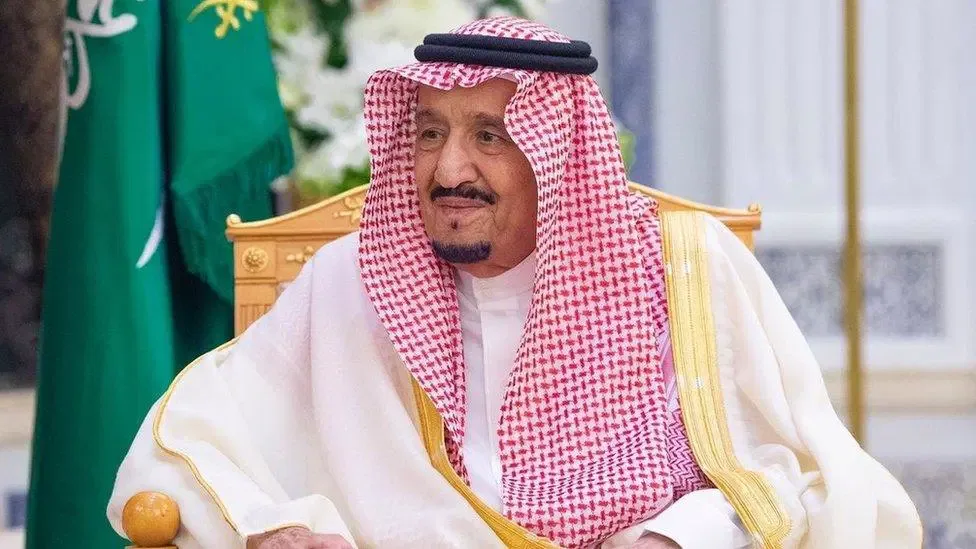
King Salman is reported to be worth between $18 billion and $20 billion personally, drawn from oil-linked wealth. The number that dominates headlines is different: the wider Saudi royal family is estimated at $1.4 trillion, distributed among hundreds of relations.
Confusing the two is one of the most common errors in royal wealth coverage. Salman bin Abdulaziz Al Saud‘s personal fortune is enormous by any normal standard, but the dynastic figure describes a network of princes and trusts, not a single balance sheet.
Succession politics add another layer, since much of the family’s visible influence now runs through the Crown Prince, Mohammed bin Salman, whose personal wealth remains unverifiable.
4. Prince Hans-Adam II — $3.5 billion to $13.7 billion
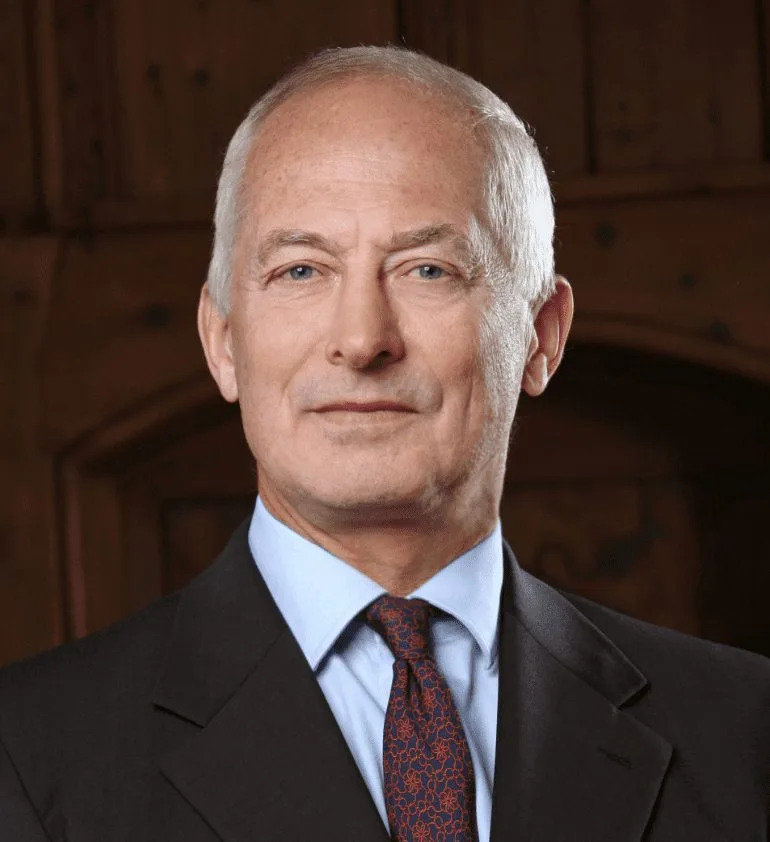
Prince Hans-Adam II of Liechtenstein is Europe’s wealthiest reigning royal, and the spread in his estimates is the widest on this list. Some sources place him near $3.5 billion, while Bloomberg has put his net worth at $13.7 billion.
The princely family’s holdings include LGT Group, one of the world’s largest privately owned banking and wealth management groups, along with extensive real estate and a celebrated art collection. Private banking exposure separates his fortune from the land-and-oil models elsewhere on the list.
The ranking here sits him fourth on the strength of the higher estimate, while the lower figure would place Hans-Adam II of Liechtenstein closer to seventh.
5. Sheikh Mohammed bin Rashid Al Maktoum — $4 billion
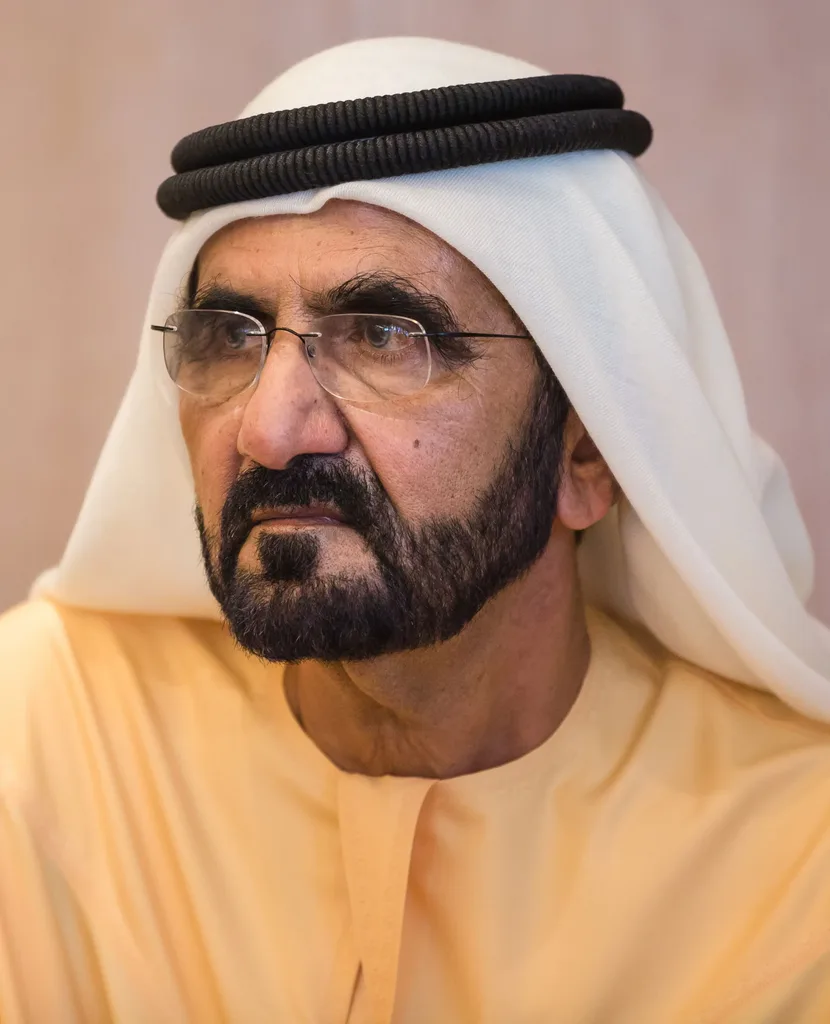
The ruler of Dubai, Sheikh Mohammed bin Rashid Al Maktoum, is commonly estimated at $4 billion, with holdings linked to Dubai Holding and related investments. Forbes ranked him sixth among royals in its first major survey, at $4.5 billion.
The line between Mohammed bin Rashid Al Maktoum‘s personal assets and Dubai’s state-linked enterprises is deliberately flexible. His practical financial reach is therefore likely larger than his published net worth suggests, a pattern common among Gulf rulers.
6. Henri, Former Grand Duke of Luxembourg — $4 billion to $4.6 billion
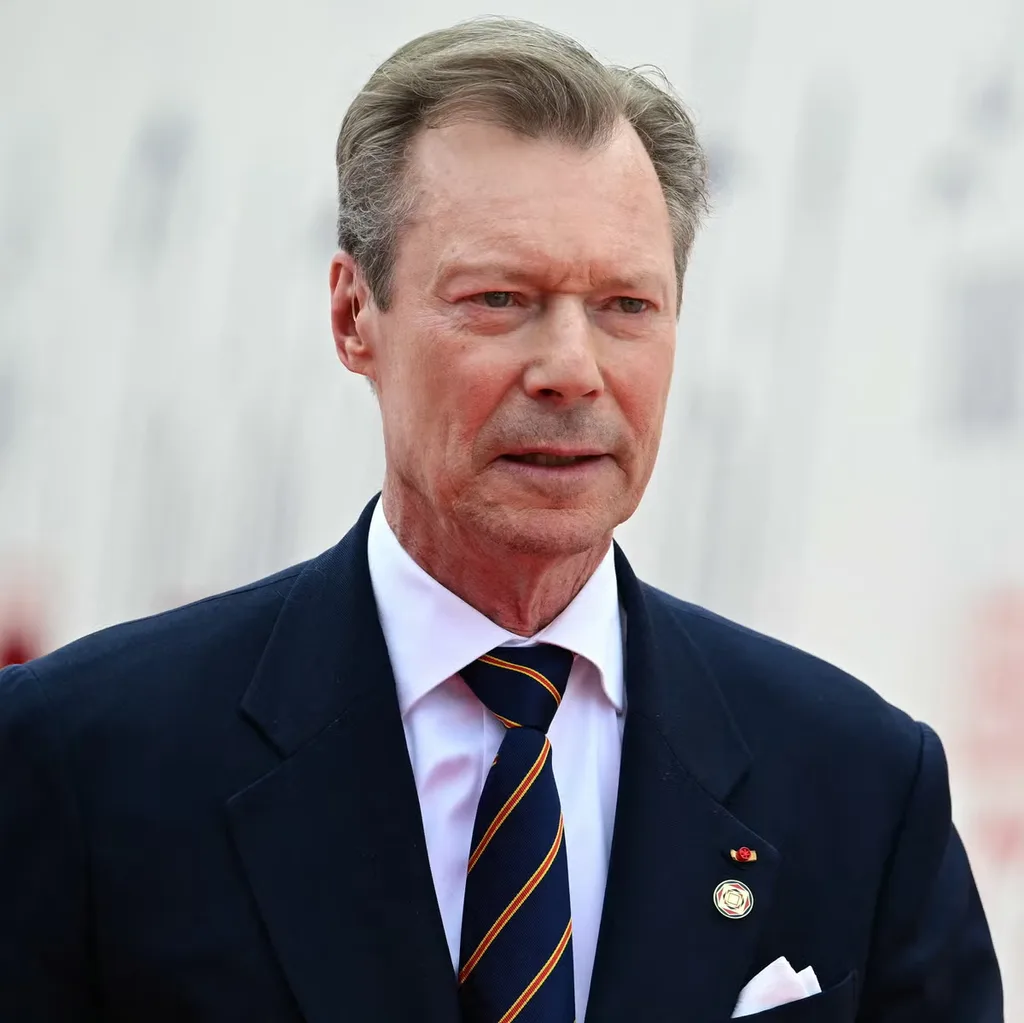
Henri, Grand Duke of Luxembourg, abdicated in 2025 and is estimated at $4 billion to $4.6 billion. His wealth comes from inherited family assets, investment holdings, and valuable estates connected to Luxembourg’s grand ducal house.
Henri still appears on royal rich lists because abdication changes a title, not a balance sheet. His position shows the European model clearly: a fortune that is large but separate from the state.
7. King Mohammed VI — $2.1 billion
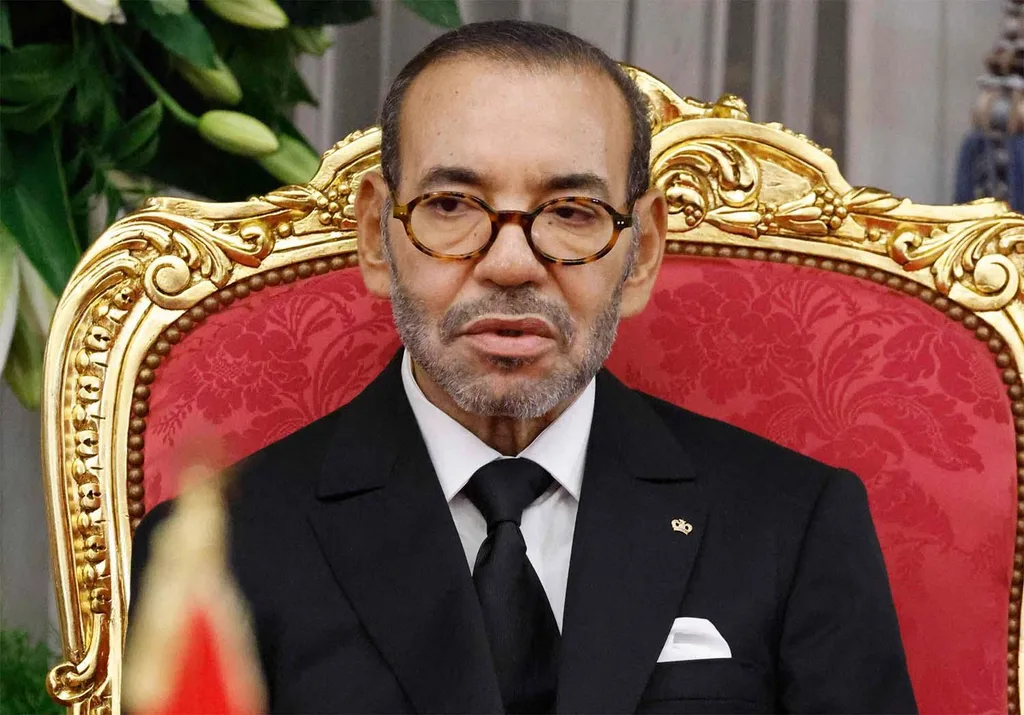
King Mohammed VI of Morocco is estimated at $2.1 billion, with wealth tied to investments in SNI and Siger Holdings. His fortune represents the corporate model of royal wealth: stakes in banking, mining, agriculture, and consumer businesses, organized through a holding structure that resembles a conglomerate more than a traditional royal estate.
8. Emir Tamim bin Hamad Al Thani — $1.2 billion to $10 billion
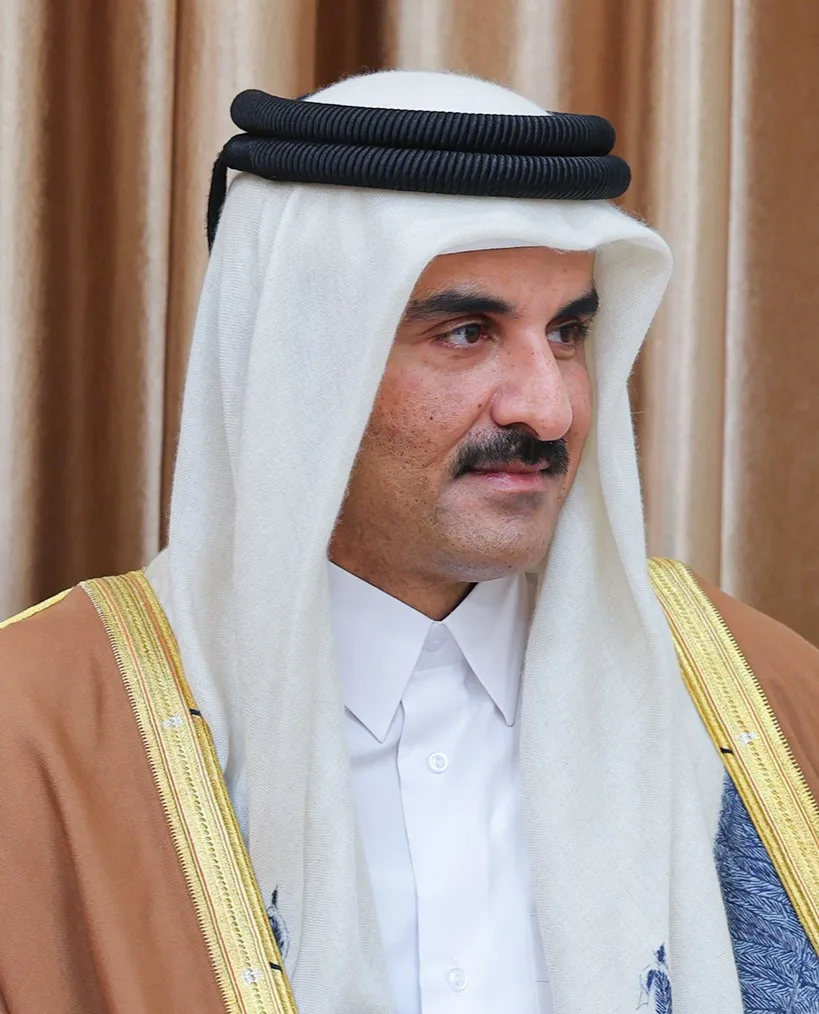
Estimates for Tamim bin Hamad Al Thani vary dramatically, from about $1.2 billion to $10 billion. The wider Qatari royal family is described as worth up to $335 billion.
As with Saudi Arabia, the family figure and the individual figure measure different things. The emir’s true position is hard to judge from public data, which is why Tamim bin Hamad Al Thani sits eighth with the widest caveat on the list.
9. Prince Albert II — $1 billion to $1.3 billion
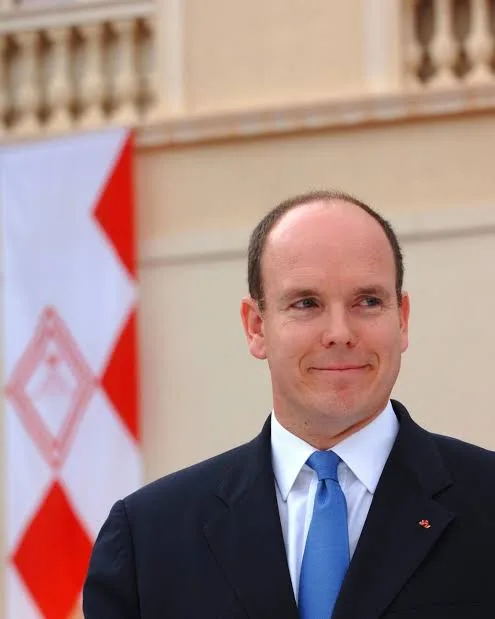
Prince Albert II of Monaco is estimated at $1 billion to $1.3 billion. His fortune combines inherited property, real estate, and investments in a principality where land ranks among the most expensive on earth.
Albert II of Monaco‘s wife, Princess Charlene, is estimated at $150 million, which places her among the wealthiest female royals but well outside this ranking.
10. King Charles III — £680 million
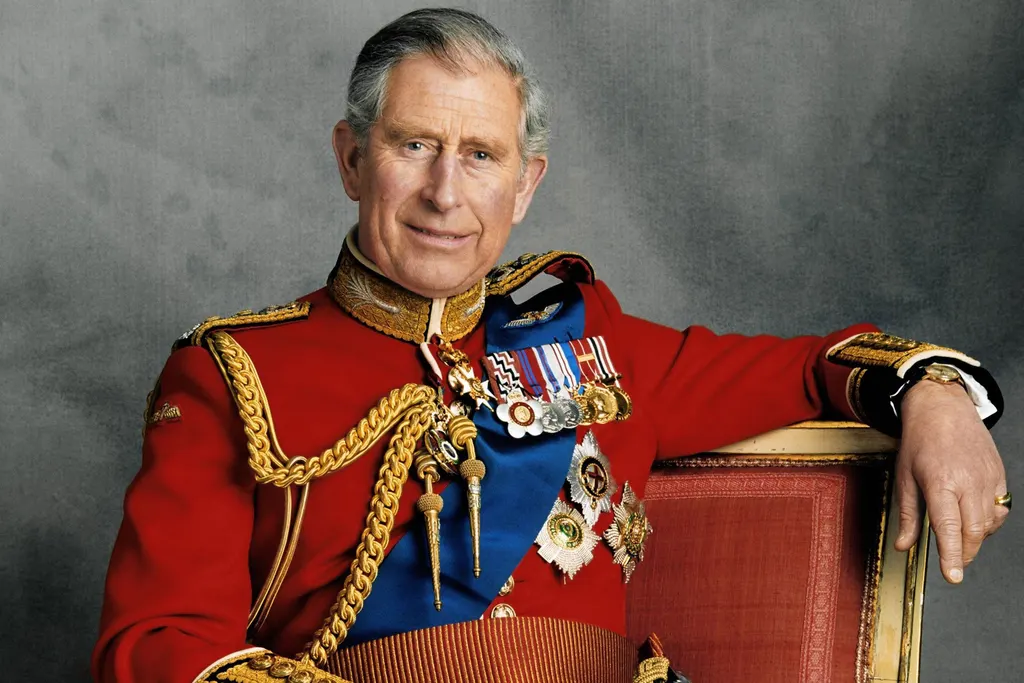
King Charles III is worth £680 million according to the most recent Sunday Times Rich List, up from £640 million a year earlier and £610 million the year before that. His mother, Queen Elizabeth II, was credited with £370 million in 2022.
The total reflects inherited assets, including private estates such as Sandringham, a 20,000-acre property in eastern England, and Balmoral, which includes the Aberdeenshire castle and 50,000 acres. It also reflects investments built up over decades.
The list excludes the Crown Estate, the Duchy of Lancaster, and the Crown Jewels. The Crown Estate‘s profits go to the Treasury, and the Sovereign Grant is calculated as 25 percent of those profits from two years earlier. Treating the Crown Estate as the King’s money is a persistent myth, and the reason Britain’s monarch ranks near the bottom of a list dominated by absolute rulers.
Just Outside the Ranking
King Abdullah II of Jordan is estimated at $750 million, and King Mswati III of Eswatini appears on lists with figures starting around $100 million. Both fall short of the top ten.
King Carl XVI Gustaf of Sweden and King Harald V of Norway are estimated at roughly $70 million and $30 million respectively, a reminder that Scandinavian monarchies operate on public funding rather than private fortune.
Historical figures such as Catherine the Great and Empress Wu appear on all-time lists with inflation-adjusted figures in the trillions of dollars. These numbers rest on estimates centuries old and are best read as curiosities, not benchmarks.
How Royal Fortunes Are Built
Three models appear on the list, and they behave very differently under pressure.
Land and corporate stakes fund the Thai fortune. Bangkok’s commercial real estate and shareholdings in major companies grow with the national economy, though legal reclassification, as in 2017, can move wealth overnight.
Resource revenue funds Brunei, Saudi Arabia, Dubai, and Qatar. These fortunes depend on a commodity and on the line between state and private money, which is thin and often undefined.
Private banking and inheritance fund Liechtenstein, Luxembourg, Monaco, and Britain. The wealth is smaller but more clearly separated from the state, and it is also easier to verify.
Ranked by durability, land and inheritance outlast resource wealth, because property values do not collapse the way commodity prices can. Ranked by transparency, the order reverses: Britain publishes the most, and Thailand the least.
Mistakes to Avoid When Reading Royal Rich Lists
Adding dynastic wealth to individual wealth is the most common error. It produces trillion-dollar claims attached to one name, when the figure describes a family of thousands.
Treating state assets as private ones is the second. The Crown Estate, the Crown Jewels, and national palaces belong to institutions, not to the monarch personally, and lists that include them overstate British royal wealth by billions.
Trusting false precision is the third. Any royal estimate presented without a range deserves suspicion, since most of these fortunes sit in structures no outside analyst can audit.
A short checklist helps: confirm whether the figure covers personal assets only, whether it describes one person or a family, which valuation method was used, and how recent the source is.
What Could Reorder the List
Three variables will decide the next version. The first is energy prices, which drive the Brunei, Saudi, and Gulf fortunes. The second is Thai law, since any change to how the Crown Property Bureau is classified would move the top of the ranking at once.
The third is valuation of private banking and corporate holdings in Liechtenstein, where a single methodological choice shifts the estimate by nearly $10 billion.
What People Ask