
He Sold His Business and Immediately Regretted It
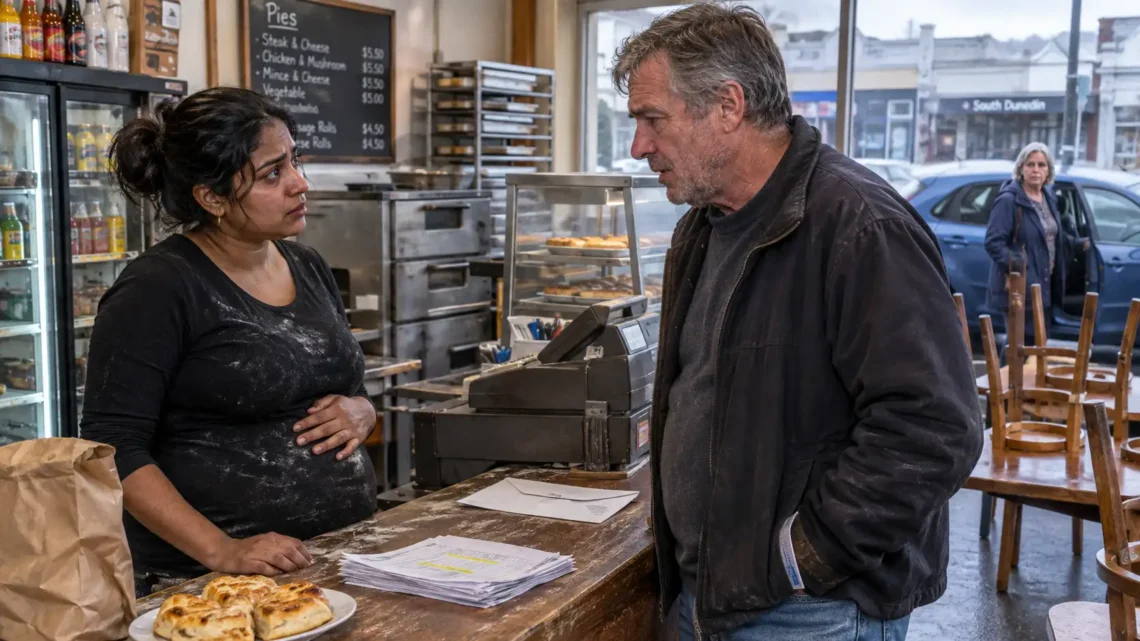
These don’t taste right, the old man said, and he said it loud enough for the whole queue to hear.
Murray Kerr was standing three people behind him, hands in his jacket pockets, pretending to read the drinks fridge. He had sold this shop on King Edward Street, in South Dunedin, seven weeks earlier. This was his fifth visit since Monday.
Trending Now!!:
The old man was Alby Ross, who had bought two cheese rolls every weekday for about sixteen years. He held one up, bitten in half, like evidence. Behind the counter, Anika Sharma smiled the tight smile of someone who had heard this before lunch already.
Same recipe, Alby, she said. I promise you.
Alby turned around, saw Murray, and lit up. Here he is! Tell her, Muzza. Something’s off.



Every head in the queue swung round. Murray felt his ears burn. Ah, I wouldn’t know, mate, he said. I’m just here for a pie.
He knew exactly.
For twenty-three years, Murray had unlocked that door at quarter to five. He made mince and cheese pies, bacon and egg pies, and the cheese rolls that people down south grew up on, the ones visitors from up north call “southern sushi” and think they’re very funny. Plain white bread, a thick cheese filling, rolled up tight, toasted and buttered while still hot.
He had hated plenty of it. The fryer smell lived in his hair. His lower back clicked every time he lifted a flour sack, and the power bill, the rent and the price of cheese kept climbing until he did his sums at night on the back of supplier invoices.
When Anika and her partner offered 185,000 dollars for the business, he said yes in under a week. She was thirty-one, a former dental assistant with a bank loan, a baby on the way and a notebook full of ideas. The contract covered the ovens, the freezer, the name, the supplier list and all recipes.
He typed the recipes out himself on his daughter’s old laptop. Cheese, evaporated milk, onion soup mix, finely chopped onion. He sat looking at the screen for a long time, a cold mug of Bell tea beside him, and then he pressed print.
He left off one line: a heaped teaspoon of Colman’s hot English mustard powder to every batch.
He told himself he had forgotten. By the time he reached the printer, he had stopped believing it. Some part of him wanted her to ring. He pictured it clearly: Anika, a bit flustered, asking him to pop in and show her how it was done.
She never rang about the rolls. She rang once about the grease trap.
The first week of retirement was lovely. He slept until seven, walked along the beach at St Clair with the southerly slapping his face, and bought a flat white he didn’t have to rush. By the second week he was awake at quarter to five anyway, lying very still so he wouldn’t disturb Denise.
Denise had a life. She had aqua aerobics, a walking group and a Thursday shift at the hospice shop. He had somehow never noticed how full it was. At ten in the morning she would find him standing in the kitchen, rearranging the spice jars.
Are you going to be here all day? she asked, kindly enough.
I live here.
You know what I mean, love.
He tried things. He water-blasted the driveway twice. He drove to Mitre 10 for a single hinge and stayed ninety minutes. He joined the shop’s Facebook page from his phone and read every comment, then read them again in bed.
The early ones were sweet. Good luck to the new owners! By week five they had turned. Not the same. Bit bland now. One woman wrote that her son had driven in from Mosgiel and been disappointed. It had twenty-eight likes.
Murray felt something warm spread through his chest. He recognised it as pleasure, and he put the phone face down on the duvet.
He still didn’t call. He just kept visiting. He told Anika the pie warmer ran hot on the left side. He told her the bread man would short her a loaf unless she counted. She thanked him every time, and every time she looked a little more tired.
On the fifth visit, after Alby had gone, she flipped the sign to “Back in 10” and asked if he had a minute.
They sat at the little table by the window. A bus hissed to a stop outside. She had flour on her black top, stretched tight now over the bump, and she set down two pies neither of them touched.
We’re down about a third, she said. On the rolls it’s more like half.
People don’t like change. Give it time.
I haven’t got time. The loan payment comes out on the fifteenth. She picked at the edge of the paper bag. I’ve been weighing everything to the gram. I’ve tried three cheeses. I was here till midnight on Sunday making batch after batch and crying into them, which is probably a health violation.
She laughed. He tried to, and it came out as a cough.
I keep thinking it’s me, she said. My partner reckons I’ve just got no feel for it. He didn’t mean it nasty. I think he’s right, though.
Right then was the moment. Murray could see it sitting there, wide open. He could slap his forehead, say mustard, and be the hero by closing time.
He looked at her swollen fingers and thought about how it would sound. Seven weeks. Five visits. How does a man remember the pie warmer and forget the mustard?
I’ll have a think, he said.
At home, Denise was at the table doing the Wordle with her glasses pushed up. He told her the shop was struggling. He said it in a sorrowful voice, shaking his head. Poor kid. Some people just haven’t got the touch.
Denise didn’t look up. Is she putting enough mustard in?
He stopped with the fridge door open. She’s following the recipe.
Good. Then she’s putting the mustard in.
He took out the milk, looked at it and put it back. Denise lowered her phone. She watched him for what felt like a full minute, and he watched the magnets on the fridge.
Whose mustard, Murray?
He had told the story so many times. He had told it to customers, to a reporter from the local paper, to his own grandchildren. His secret, his touch, the thing that made people cross town.
It was the winter they opened. The rolls weren’t selling, they were two months behind on rent, and Denise had come in after her night shift at the rest home, still in her uniform. She tasted one, pulled a face, and walked to the pantry. He had said it was a daft idea.
You didn’t forget it, she said.
It’s my shop.
It was never just your shop. And it’s hers now. You took her money.
She wasn’t shouting. He would have preferred shouting. She picked up her swim bag, stopped at the door and told him he had until tonight, or she would drive over there herself.
I don’t know what to do with myself, Neesie, he said. His voice cracked in the middle, and it surprised them both. I wake up and there’s nothing. Nobody needs me for anything.
Her face softened, and her hand stayed on the door handle. I know, she said. Tell her anyway.
He got to King Edward Street just after four. He had written it on the back of an old invoice: one heaped tsp Colman’s, don’t skimp. He sat in the car with the engine off, rehearsing. His best version began with, Funny thing, I was going through some old papers.
It was a good version. Anika would believe it. She might even hug him, and ask him to come in a couple of mornings a week to make sure she had it right.
The sign said closed, but she let him in. The chairs were up on the tables. Her eyes were red, and a letter with the ANZ logo lay beside the till.
I’m glad you came, she said. I’ve been going through your old supplier invoices, the box out the back. I’m trying to work out what I’m doing wrong.
She laid a stack of them on the counter. Every few weeks, going back years, one line had been circled in yellow highlighter. He could read it upside down.
It isn’t on my ingredients list, Anika said slowly. It isn’t in the pies either. I checked. She rested one hand on her stomach and looked straight at him. Murray, did you leave something out?
The paper was in his fist, inside his pocket, going soft with sweat. The old papers story was ready on his tongue. The other one was there too, the short ugly one, and through the window he could see Denise’s little blue car pulling in behind his.
Anika hadn’t looked away. Murray opened his mouth.
He had sold her everything on the list, and kept back the one thing that made the list worth buying.