I Spent My Last Money on Transport for a Job Interview That Almost Broke Me
The humid air of Ikeja hung heavy at six in the morning, smelling intensely of exhaust fumes and roasted corn from the night before.
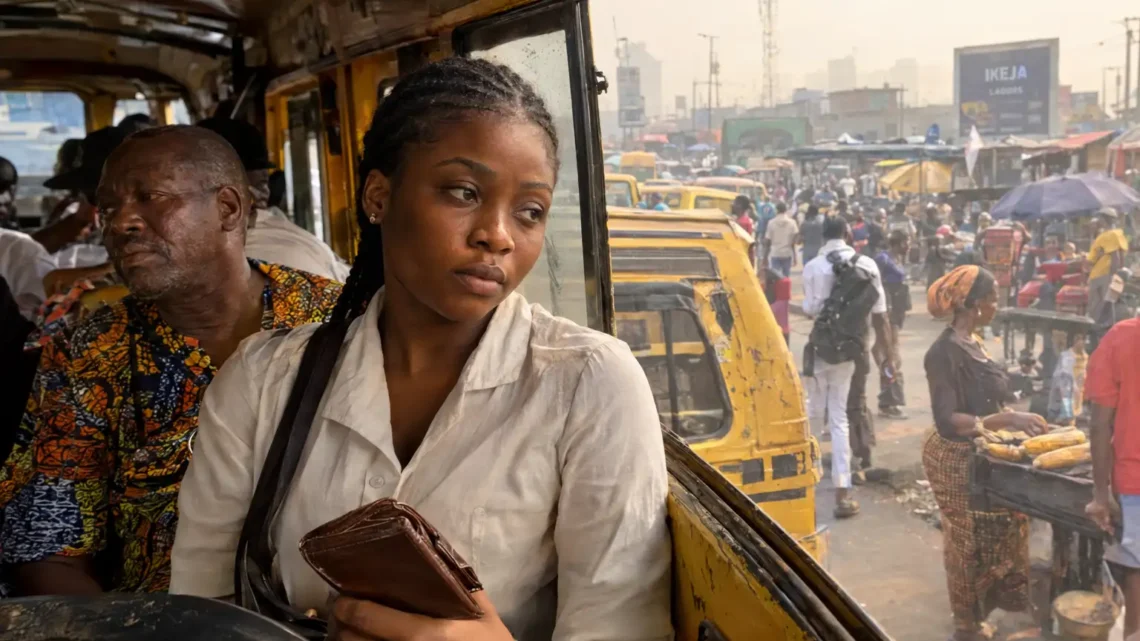
Bolanle stood by the roadside near the computer village bus stop, clutching a worn leather wallet that felt far too light against her palm. Lagos did not care that her account balance had dwindled down to a solitary five thousand naira note.
Trending Now!!:
The yellow danfo buses roared past in a chaotic blur, conductors screaming destinations into the early morning rush while passengers scrambled desperately for a foothold.
She needed to reach Victoria Island before nine for an interview that could potentially change her stagnant financial situation. A ride-hailing app like Bolt showed a fare that triple-checked her remaining cash, leaving her with the stark reality of public transport.
Ade, her former flatmate who had moved to Lekki months ago, texted advice that felt entirely useless from a comfortable distance. Just tell them you are running late because of traffic, Ade messaged through WhatsApp, oblivious to the fact that traffic was the least of her financial worries.
Her phone battery blinked red, warning her that digital payments would soon become completely unavailable if she did not conserve power. Bolanle stepped off the concrete curb and signaled a rusted yellow bus heading toward CMS, hoping the conductor would accept cash without demanding exact change.



The interior smelled fiercely of sweat, cheap perfume, and stale petrol, a scent unique to the morning commute of millions trying to survive the city. A man sitting beside her adjusted his Ankara print shirt and muttered something about the rising cost of fuel under his breath.
Everything just cost too much money these days, the man said, looking directly at Bolanle with tired eyes.
She nodded slowly, keeping her hand firmly over her pocket where the last five thousand naira note lived like a fragile secret.
Reaching her destination meant paying two transport fares with a mandatory transfer fee that would wipe out her physical cash entirely. The conductor shoved his palm into her face before the bus even ground to a complete halt at Obalende.
Change no dey oh, pay your exact money, the conductor barked angrily, glaring at Bolanle with zero patience.
She handed over the crisp note, her heart sinking as the man tossed back a handful of crumpled lower denomination notes that clearly fell short. Arguing in the middle of a noisy Lagos bus station was a fool’s errand that only wasted precious minutes and drained emotional energy.
Bolanle swallowed her pride, grabbed the short change, and stepped down onto the dusty pavement of the park. She still had to board a tricycle to complete the final stretch of her journey to the corporate office tower.
The sun climbed higher, baking the asphalt and turning the city into a giant steam room where everyone rushed with purpose. Arriving at the sleek glass doors of the building, her blouse was damp with sweat and her nerves were completely frayed.
The receptionist, a sharply dressed woman named Chioma, looked up from her desk with an expression of polite indifference. Chioma pointed toward the digital sign-in tablet by the entrance before returning her attention to a glowing MacBook screen.
Sign your name and have a seat in the glass cubicle over there, Chioma instructed without making direct eye contact.
Sitting in the air-conditioned waiting room felt like entering an entirely different parallel universe detached from the chaos outside. Other applicants sat in silence, thumbing through resumes printed on expensive heavy-stock paper that cost more than a week of meals.
Bolanle looked down at her own plain folder, feeling the immense weight of poverty pressing down on her chest like a physical stone. The interviewer, a stern-faced man named Mr. Femi, finally called her name after an agonizing forty-minute wait.
Walk into the office and pretend you do not have a single clue how terrifying this moment is for your survival. Mr. Femi flipped through her qualifications with a slow, deliberate motion that made every second stretch into an eternity.
Why do you think you deserve this position over applicants with master degrees from foreign universities? Mr. Femi asked, leaning back in his leather chair.
She took a deep breath, letting go of the polished rehearsed answers she had memorized the night before in her cramped room. Bolanle thought about the grueling bus rides, the vanishing naira notes, and the relentless hustle that defined everyday existence in Nigeria.
Because I know how to survive when the system completely breaks down, and no degree teaches that resilience, Bolanle answered honestly.
The silence that followed stretched so long that she began calculating how much transport money she needed to get back home. Mr. Femi did not smile, but a slight flicker of recognition crossed his features before he closed her folder with a definitive snap.
Money is only ever a temporary scorecard for a game that never actually stops playing out in the streets.