How Much Should You Bring to a Blackjack Table? Bankroll Rules for Beginners
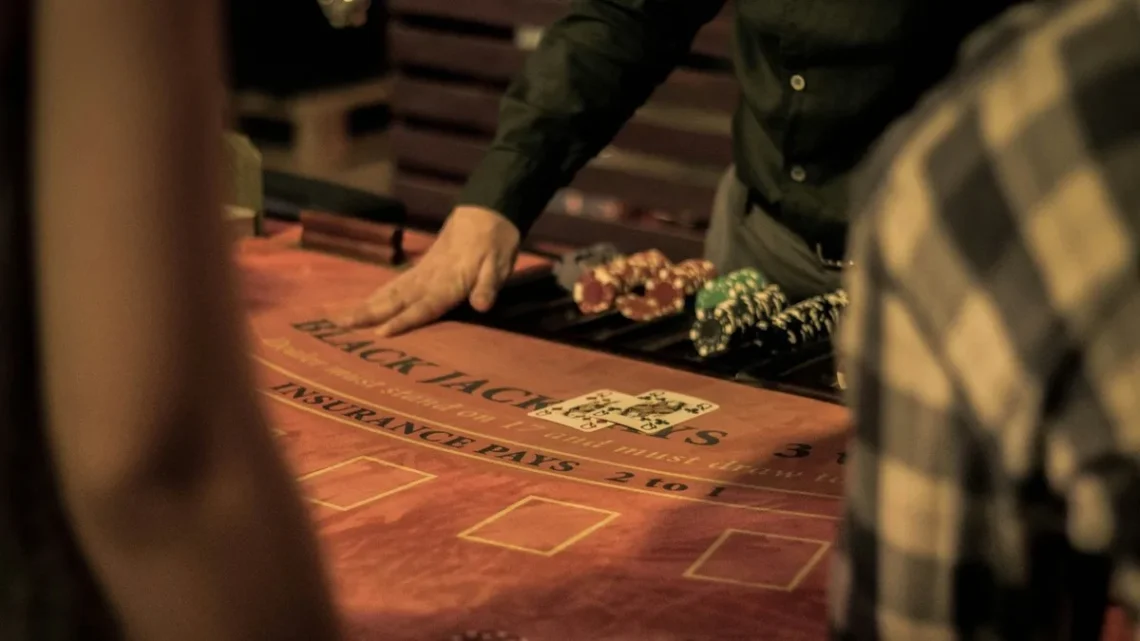
For most beginners, a comfortable session bankroll is about 20 to 30 times the table minimum. At a $10 table, that means bringing $200 to $300.
At a $5 table, $100 to $150 is enough. That amount lets a new player keep a steady pace, ride out the normal ups and downs of the cards, and leave at a time of their own choosing.
Trending Now!!:
Start With the Entertainment Budget
A blackjack bankroll belongs in the same part of a budget as concert tickets or a dinner out: the money set aside for fun. Rent, groceries and savings come first. Anyone still building a cushion may want to see what a bare-bones emergency fund looks like before planning a night of cards.
Once the essentials are covered, the method matters less than the habit of writing a number down. Most of the budgeting methods that work for real people share one feature: they decide in advance how much goes to wants, so no single evening has to be negotiated on the spot.
For anyone who has never mapped out their spending, the Financial Consumer Agency of Canada offers a free budget planner that lets users save their progress and come back to it later.
From there, divide the monthly entertainment amount by the number of sessions planned. Someone with $300 a month for blackjack who plans two evenings has a $150 session budget, which suits a $5 table well.




Turning a Session Budget Into Bets
Players talk about “units”, meaning the size of a standard bet. The 20 to 30 unit range is a rule of thumb, and guides don’t fully agree on it. Some suggest 40 or 50 units for a longer evening. I’d treat 20 units as the floor for a beginner. With less room than that, a handful of early hands decides how long the night lasts, and the game stops feeling relaxed.
The house edge explains why the bankroll needs that room. Think of it as the built-in cost of the entertainment, and blackjack’s is among the lowest of any table game. With basic strategy (a chart that shows the best move for every hand), the edge is commonly quoted at around 0.5%.
Players who guess tend to face something closer to 2% or more. Both figures are approximate and shift with the table rules.

A quick example makes this concrete. A $10 bettor playing about 60 hands an hour puts roughly $600 into action. At a 2% edge, the expected cost of that hour is about $12. With basic strategy, it drops to around $3. Seen this way, an hour at the table costs less than many other nights out, and learning the strategy chart is the easiest way to make a bankroll last longer.
Expected cost is an average over many hours, though. Any single session can swing well above or below it, and that is exactly what the bankroll is for.
Playing Live Dealer Blackjack Online
Many Canadians now play from home with a real dealer on a video stream, and the habit has spread from coast to coast. The rules differ by province, so check what applies where you live before you sign up. The legal age to play is 19 in most provinces and 18 in Alberta, Manitoba and Quebec.
Live tables follow the same bankroll rules. The dealer and a betting timer set the pace, so hands arrive at a steady rhythm, and minimum bets can start lower than at a land-based casino. That gives beginners room to practise basic strategy at small stakes. Anyone comparing live blackjack Canada tables should check the minimum bet first and size the session around it, using the same 20 to 30 unit range.
Online accounts also come with tools that make planning easier. Good sites let players set deposit limits, loss limits and session reminders, and setting them before the first hand turns the budget into something that runs on its own.
Simple Rules for a Relaxed Session
A win point pairs well with the session budget. If a $200 bankroll grows to $300, a player might set aside the original $200 plus half the gain and keep playing only with what’s left. A time limit works the same way. Two hours is a reasonable length for most beginners, and a phone alarm handles the reminder.
At a land-based casino, bring the session budget in cash and leave bank cards at home. It’s the simplest way to keep the night inside the plan, and it removes any decision at the table about topping up.
Check the payout before sitting down, too. A table that pays 3:2 on a blackjack returns $15 on a $10 bet, while a 6:5 table returns $12, and that difference raises the house edge by more than a full percentage point. The same bankroll buys more playing time at a 3:2 table.