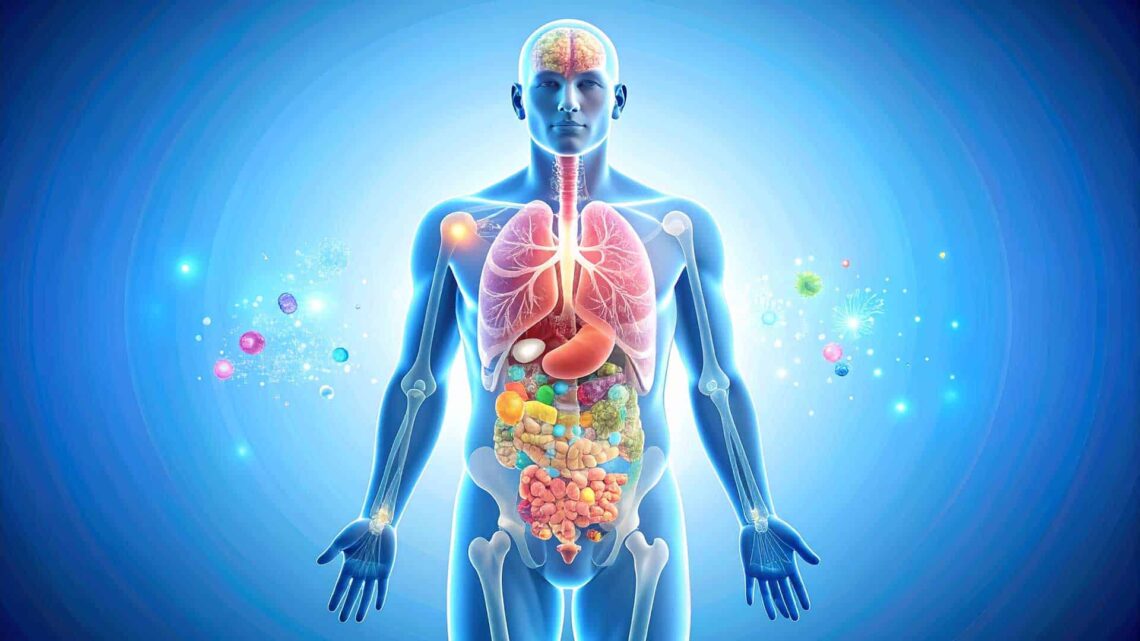
How Environmental Toxins Accumulate in the Body and What Can Be Done
From heavy metals and PFAS to microplastics and pesticide residues, the modern body carries a chemical load it was never built for. Here is what science now knows about how toxins build up in your tissues, what they are quietly doing to your hormones, brain, and immune system, and the evidence-based steps that can actually help.
There is a question that has quietly haunted environmental medicine for decades, one that practitioners like myself have watched grow from a niche scientific concern into something that touches nearly every patient who walks through the door.
The question is not whether harmful chemicals are entering your body. At this point in time, the evidence on that is settled.
Trending Now!!:
The real question, the one that keeps researchers working late and patients anxious at midnight, is what those chemicals are doing once they get inside you, and whether anything can meaningfully be done to push them back out.
I have spent more than a decade working at the intersection of environmental health and clinical practice, and I can tell you that the conversation has changed enormously.
When I first started, most of my colleagues in conventional medicine would politely dismiss concerns about chemical exposure as the territory of wellness influencers and conspiracy theorists. That dismissal is no longer sustainable. The science has become too loud to ignore.
The Body You Are Living In Is Already Carrying a Chemical Load
The body you inhabit right now almost certainly contains measurable levels of heavy metals like lead, cadmium, and mercury. It almost certainly contains residues of pesticides, including organochlorines that were banned in some countries decades ago but persist in the food chain like uninvited guests who refuse to leave.
It contains flame retardants, which manufacturers embedded into furniture and children’s pyjamas for years before anyone fully understood the biological consequences. And, most consequentially, it almost certainly contains per- and polyfluoroalkyl substances, the chemicals the scientific community has come to call PFAS, or more grimly, forever chemicals.
Studies have found these substances in the bloodstream of an estimated 99 percent of adults, a figure that would have seemed like science fiction twenty years ago.
Chemical compounds ubiquitous in our food, air, and water are now found in every person, and their bioaccumulation can lead to a variety of metabolic and systemic dysfunctions. We are not talking about isolated industrial accidents or localized contamination events.
We are talking about a baseline condition of the modern human body. The total toxic load, a term I find myself using more and more in clinical conversations, refers to the cumulative burden of all these exposures stacked on top of one another. It is not any single chemical that breaks the body’s defenses. It is the aggregate weight of hundreds of exposures over a lifetime.
What Bioaccumulation and Biomagnification Actually Mean
Understanding why this is happening requires understanding a concept that toxicologists call bioaccumulation, and its more alarming cousin, biomagnification. Bioaccumulation is what occurs when an organism absorbs a substance faster than it can eliminate it.
The liver filters, the kidneys process, the gut moves things along, but certain compounds are simply more stubborn than those systems were designed to handle.
Fat-soluble toxins are particularly dangerous in this regard because they can accumulate in fatty tissues, whereas water-soluble compounds can be flushed out of the body more readily. Much of what we are most worried about, including PFAS, dioxins, and many pesticide residues, belongs firmly in the fat-soluble category.
Biomagnification is what happens when that accumulation travels up the food chain. As these compounds move from one trophic level to the next, they concentrate to levels that could be thousands of times higher than acceptable limits in the surrounding environment.
The classic example is DDT, the insecticide that decimated bird of prey populations in the mid-twentieth century, but the principle applies just as cleanly to the tuna on your plate or the salmon filet you ordered because you thought you were eating healthy. Eating high on the food chain means inheriting every toxin that accumulated in every organism below you.
The Endocrine System: When Chemicals Mimic Your Hormones
The systems most vulnerable to accumulated toxic burden are the endocrine, neurological, and immune systems, and the endocrine system tends to be first in line. Endocrine disruptors are chemicals that earn their name by mimicking or blocking the hormones that regulate virtually everything in human biology, from metabolism and mood to fertility and fetal development.
Bisphenol A, the compound most people know as BPA, became the most famous member of this category after decades of its use in plastic food containers, water bottles, and the lining of canned goods.
Research shows that PFAS chemicals can act as endocrine disruptors, meaning they mimic or block hormones, throwing the body’s natural balance off course.
One of the biggest concerns is their impact on thyroid function, with these toxins linked to lower levels of thyroid hormones, which can lead to fatigue, weight gain, brain fog, and even an increased risk of autoimmune thyroid disease.
For women, the downstream effects include documented links to irregular menstrual cycles, reduced fertility, and earlier onset of menopause. These are not hypothetical risks.
These are patterns I have seen in patient histories, sitting across from women who had spent years trying to understand why their hormones were so persistently disordered, cycling through specialist appointments without anyone ever asking about their chemical environment.
Lead, Mercury, and the Slow Poison of Heavy Metal Exposure
Lead deserves particular attention because it represents the oldest and perhaps most thoroughly studied chapter of this story, and yet the lessons it taught us are still being ignored at scale.
There is no safe level of lead exposure in children. The neurotoxic effects of lead on developing brains, including lowered IQ, impaired attention, and behavioural dysregulation, have been established by decades of rigorous research.
Evidence from the Centers for Disease Control reveals that most people have accrued varying degrees of assorted toxic pollutants, including heavy metals, flame retardants, and pesticide residues, within their bodies.
What is less widely understood is that lead is not just a childhood story. Adults accumulate lead in bone tissue over a lifetime, and that stored lead can be remobilized during periods of bone loss, including menopause in women and normal age-related bone density decline in men.
A person who grew up in a city with lead pipes and leaded gasoline may find, in their sixties, that their bones are slowly releasing a chemical they absorbed forty years earlier.
Mercury occupies a similarly troubling position. The organic form of mercury, methylmercury, concentrates in the muscle tissue of fish and accumulates in the body’s nervous system with remarkable efficiency.
The detrimental impacts of heavy metals on human health are largely linked to their capacity to interfere with antioxidant defense mechanisms, primarily through their interaction with intracellular glutathione and antioxidant enzymes.
Glutathione is the body’s master antioxidant, the compound that sits at the center of the liver’s detoxification machinery, and when heavy metals deplete it, the entire detox pathway slows down.
This is one of the reasons that people with higher toxic body burden tend to accumulate toxins faster. The very compounds doing the damage are also disabling the systems designed to repair it.
PFAS: The Forever Chemicals That Live Up to Their Name
PFAS represent the most urgent emerging chapter of this story, partly because of how recently their full danger became clear, and partly because of how thoroughly they have infiltrated daily life.
PFAS are found in nonstick cookware, stain-proof and waterproof clothing, food packaging, plastic products, and even drinking water. The carbon-fluorine bond at the heart of their molecular structure is one of the strongest in all of chemistry, which is what made these compounds so commercially useful and what makes them so biologically persistent.
PFAS molecules have a very strong bond between fluorine and carbon atoms, one that is very hard to break in the natural environment, which is why PFAS can take more than 1,000 years to degrade.
The National Cancer Institute has identified direct links between PFAS exposure and at least seven types of cancer. The liver, kidneys, thyroid, and immune system all appear on the list of organs carrying measurable damage from these exposures.
Persistent organic pollutants, a broader category that includes many pesticide residues and industrial chemicals, add yet another layer. Persistent organic pollutants have been linked to effects on the nervous system, reproductive and developmental problems, suppression of the immune system, cancer, and endocrine disruption.
The maddening thing about many of them is that they were banned after scientists discovered their harms, but the environment still carries them. Soil and water samples from remote regions of the planet, places where these chemicals were never manufactured or heavily used, still test positive for compounds that were outlawed a generation ago.
What Microplastics Are Adding to the Picture
Microplastics are the newest chapter of this story, and in some ways the most disturbing, because they represent a form of contamination so pervasive that there is genuinely no avoiding it.
Scientists now estimate that the average person consumes up to five grams of plastic every week, roughly the weight of a credit card. Microplastic particles have been detected in human blood, lungs, kidneys, testicular tissue, and placentas.
They arrive through drinking water, food packaging, synthetic clothing fibres shed during washing, and airborne dust.
These particles trigger oxidative stress in tissues where they accumulate, disrupt the gut microbiome, and carry with them a payload of chemical additives, including plasticizers and stabilizers that have their own hormonal and inflammatory effects.
They are not merely an inconvenience. They are a delivery mechanism for an entire category of chemical harm that the body has no evolutionary preparation for.
The Brain Connection That Medicine Is Only Beginning to Take Seriously
The neurological dimension of toxic bioaccumulation is one that I believe is significantly underappreciated in mainstream medicine. Many of these toxicants have neurodegenerative as well as neurodevelopmental impact as a result of various pathophysiologic mechanisms, including neuronal mitochondrial toxicity and disruption of neurotransmitter regulation.
The connection between toxicant bioaccumulation and cognitive decline is an area of research that has grown considerably in recent years, with some researchers arguing that a portion of dementia cases currently attributed purely to aging may actually reflect decades of accumulated neurotoxic exposure.
I am not in a position to call that settled science, but I have seen enough patients whose cognitive symptoms improved meaningfully after targeted detoxification protocols to believe the hypothesis deserves far more clinical attention than it currently receives.
Brain fog, mood dysregulation, memory gaps, and impaired concentration are the symptoms most consistently described by patients presenting with elevated toxic body burden, and they are also the symptoms most consistently dismissed by practitioners who have not been trained to think in terms of environmental medicine.
What the Evidence Actually Supports for Detoxification
This is where I want to be honest with you in a way that a lot of wellness content refuses to be. The detox industry is full of oversimplification, exaggeration, and outright fraud. There is no supplement that flushes your liver overnight.
There is no juice cleanse that undoes a decade of chemical exposure. When you see a product promising to remove toxins without specifying which compounds it targets, through which biological mechanism, at what dose, and with what evidence, you are almost certainly looking at marketing rather than medicine.
I have watched patients spend thousands on protocols that did nothing measurable while ignoring the evidence-based strategies that genuinely help.
What the evidence does support is a set of practices that, applied consistently over time, can meaningfully reduce the total toxic load and support the body’s own elimination pathways.
Support the liver through food, not pills
The liver is the engine of the body’s detoxification process, and supporting it does not require expensive supplementation. Cruciferous vegetables like broccoli, Brussels sprouts, and cabbage contain natural compounds such as sulforaphane and indole-3-carbinol, which help activate powerful phase II liver detoxification enzymes.
These enzymes convert fat-soluble toxins into water-soluble forms that can then be excreted through urine and bile. This is not a wellness myth. It is established biochemistry, and cruciferous vegetables are among the most cost-effective interventions available.
Make dietary fiber a priority
Fiber has emerged as one of the more interesting areas of research for toxin elimination, particularly around PFAS. Research has documented an 8 percent decrease in PFOS and PFOA after four weeks among people who took a soluble fiber supplement, with previous studies also associating a high-fiber diet with lower PFAS levels overall.
The mechanism involves bile acid recirculation: PFAS molecules share chemical characteristics with bile acids and travel the same enterohepatic loop between the liver, bile ducts, and intestine.
Soluble fiber interrupts that loop by binding these compounds in the gut and dragging them out in stool rather than allowing them to be reabsorbed. Psyllium husk, oats, legumes, flaxseed, and a wide variety of fruits and vegetables all contribute meaningfully to this effect.
Take gut microbiome health seriously
The gut is becoming increasingly central to discussions of environmental detoxification, and a 2025 Cambridge study added significant weight to that conversation.
Scientists at the Medical Research Council Toxicology Unit identified a family of bacterial species found naturally in the human gut that absorb various PFAS molecules from their surroundings, with certain species soaking up between 25 and 74 percent of PFAS within minutes of exposure.
This has not yet been tested in humans in a formal clinical trial, but it powerfully reinforces the practical importance of maintaining a diverse and robust microbiome through dietary variety, fermented foods, and the avoidance of unnecessary antibiotic use.
Stay hydrated and move your body consistently
PFAS are often excreted via the kidneys, and consistent hydration throughout the day supports this elimination pathway. Heavy metals, by contrast, can be partially eliminated through sweat, which is why regular physical activity and the judicious use of sauna therapy have a legitimate place in heavy metal reduction strategies.
To be precise, though: sweating does not remove PFAS in any meaningfully documented way, and anyone suggesting otherwise is outrunning the evidence.
Consider chelation therapy only under proper medical supervision
Chelation therapy represents the most medically aggressive approach to heavy metal removal. It involves administering chelating agents that bind to heavy metals in the bloodstream and allow them to be excreted through urine, and it is approved and well-documented for cases of acute lead poisoning.
It also has a role in environmental medicine for patients with documented elevated heavy metal burden, but it should always be conducted under medical supervision, as it can deplete essential minerals alongside the toxic ones. It is not a casual wellness protocol.
Reducing Exposure Is Not a Passive Strategy
Reducing exposure is the most powerful lever available, and it is one that most people underestimate because the sources of contamination are embedded so invisibly in daily life.
Filtering drinking water with a high-quality reverse osmosis or activated carbon filter can remove PFAS and other chemical contaminants, and choosing PFAS-free cookware, avoiding food packaging where possible, and selecting natural, untreated fabrics all meaningfully reduce the daily incoming chemical load.
Water filtration is particularly important because tap water quality varies enormously by geography, and municipal treatment systems were not designed with PFAS in mind. A good reverse osmosis filter is not inexpensive, but it is probably the highest-return single investment most households can make for environmental health.
Swapping nonstick cookware for cast iron or stainless steel, storing food in glass rather than plastic, choosing organic produce for the crops most heavily treated with pesticides, and reading ingredient labels on personal care products are all changes that compound meaningfully over time.
The Global Inequity of Toxic Exposure
The World Health Organization estimates that approximately 13 million deaths annually are attributable to environmental exposure, of which over 7 million are related to air pollution alone. That figure lands differently depending on where you are reading it.
If you are in a high-income country with clean water access and strict food safety regulations, it may feel distant. If you are in a rapidly industrializing region where regulatory oversight lags behind industrial output, where rivers carry agricultural and factory runoff and where e-waste processing happens in informal open-air settings, it is not distant at all. It is the context of daily life.
The global inequity of toxic exposure is one of the field’s most uncomfortable truths: the communities that contribute least to industrial pollution tend to carry the highest toxic body burden.
Children in informal settlements near e-waste dumps, farmworkers who apply pesticides without adequate protective equipment, families drawing water from aquifers contaminated by upstream agriculture, these populations absorb risks that are invisible in the public conversations happening in wealthier parts of the world.
Environmental medicine cannot be taken seriously as a discipline if it only serves people who can afford functional medicine appointments and premium water filters.
What to Hold Onto After Reading This
What I want people to take away from all of this is not despair, even though despair is an understandable response to a problem this large. The body’s capacity for healing and adaptation is genuinely remarkable, and the window for meaningful intervention stays open for far longer than most people realize.
Reducing exposure, supporting liver and gut function through diet, maintaining a fiber-rich and diverse eating pattern, staying well-hydrated, exercising consistently, sleeping adequately so that the brain’s own glymphatic clearance system can do its nightly work, and being thoughtful about the products you bring into your home, these are not glamorous interventions.
They do not come in a bottle with a dramatic label. But they are what the evidence supports, and they compound over time in ways that matter.
The science of environmental toxin bioaccumulation is still developing. New compounds emerge, new exposure pathways are identified, and the methods for measuring body burden continue to improve.
What is no longer developing is the basic truth at the center of this field: the modern body carries a chemical load that its evolutionary design did not anticipate, and managing that load thoughtfully is one of the most consequential things a person can do for their long-term health.
That is not a fringe position anymore. Increasingly, it is simply medicine.