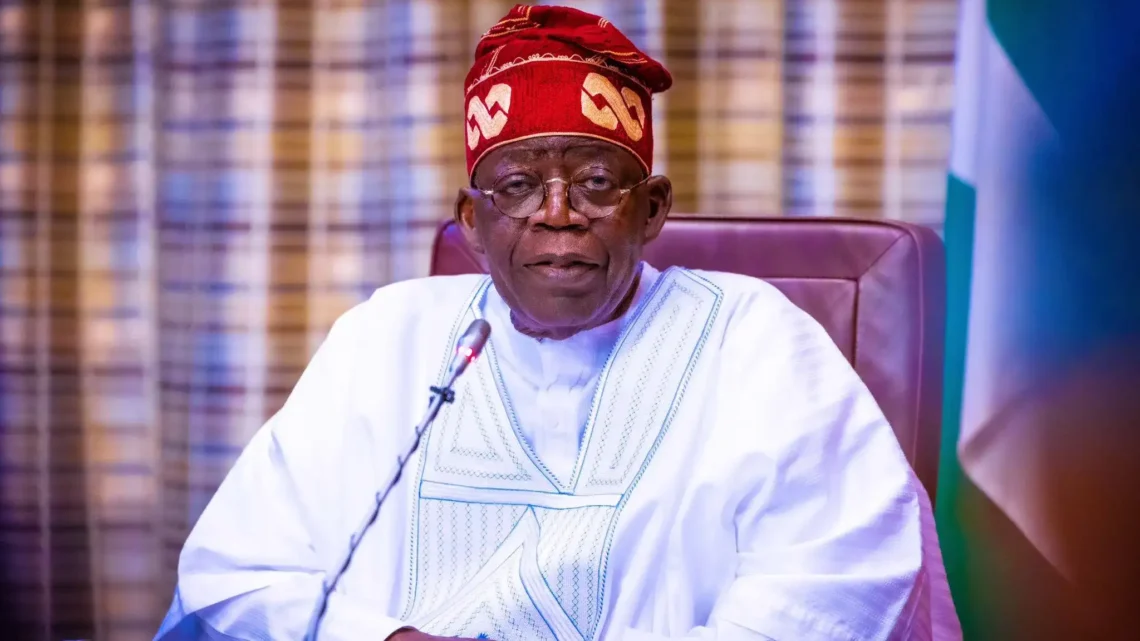
Meet The Top 10 Richest Nigerian Politicians
Nigeria’s political class has long sat at the intersection of power and extraordinary wealth.
If you follow African politics with any seriousness, you already know that Nigerian politicians are not just public servants; they are business empires in human form.
Trending Now!!:
No other country on the continent produces quite this level of political wealth, and few topics generate more heated debate in newsrooms, market squares, and X threads from Lagos to London.
The numbers on this list are, frankly, staggering. Some of these men entered government with modest means. Others were already rich when they arrived. Almost all of them left office, or in some cases never left at all, in a different financial stratosphere entirely.
Whether that wealth came from genuine entrepreneurship, political networks, oil and gas interests, or the kind of opaque government contracting that keeps anti-corruption agencies busy, the result is the same: a small group of politicians controlling fortunes that rival some West African national budgets.
This is not a list built on gossip. Net worth figures for private individuals are always estimates, and Nigerian politicians are especially guarded about their finances.


What follows is a carefully researched compilation drawn from public asset declarations, court records, business registry filings, investigative reports, and cross-referenced financial analysis. Where figures vary between credible sources, a conservative consensus range is used.
How Nigerian Politicians Build Wealth: The Real Picture
Before diving into the names, it is worth understanding the structural reality that makes this kind of wealth possible in the first place. Nigerian senators are among the highest-paid legislators in the world on a purchasing-power-adjusted basis.
Governors control budgets running into hundreds of billions of naira with relatively limited oversight. Federal ministers sit atop procurement pipelines worth trillions.
Beyond salaries and allowances, the primary wealth engines for Nigerian political figures are real estate, oil and gas licensing, media ownership, banking interests, agricultural holdings, and cross-border investment portfolios. The politicians on this list have typically combined all of these, sometimes legally, sometimes controversially, and almost always aggressively.
Top 10 Richest Nigerian Politicians in 2026
1. Bola Ahmed Tinubu, Net Worth: ~$8.4 Billion
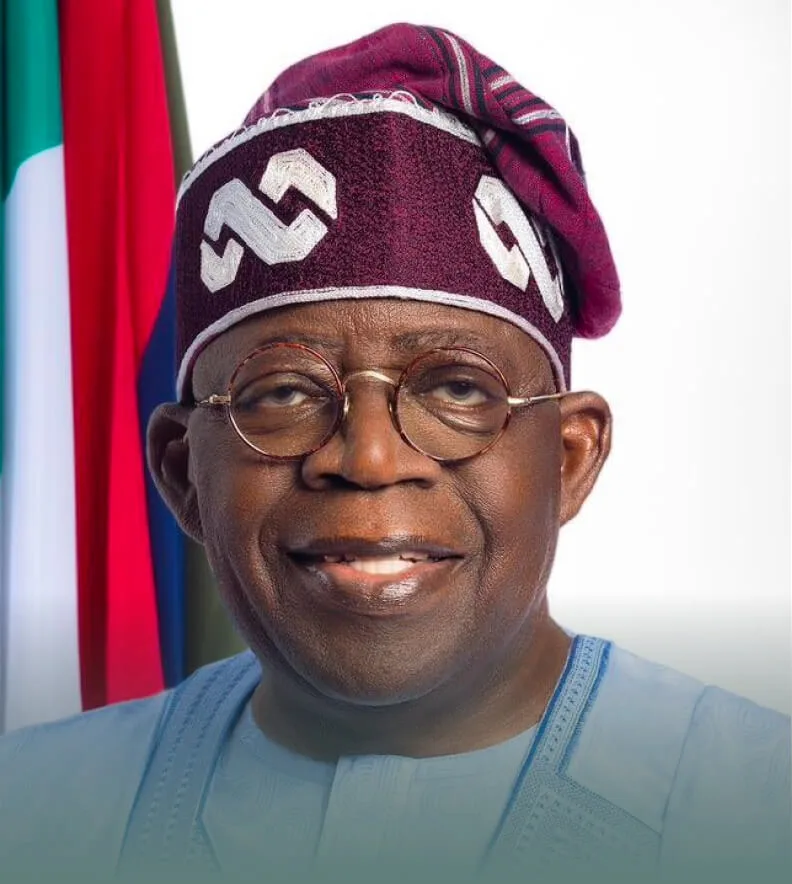
Bola Tinubu is, by a wide margin, the wealthiest politician in Nigeria today, and arguably one of the wealthiest politicians in Africa. Known as “Jagaban” to his supporters and “Asiwaju” by formal Yoruba honorific, he has spent three decades constructing a political and financial empire that is without peer in Nigerian public life.
Tinubu served as Governor of Lagos State from 1999 to 2007, eight years during which the state was transformed into a revenue-generating machine. He also served briefly as a senator for Lagos West from 1992 to 1993. Since leaving the governorship, he remained the dominant force in Lagos politics even without holding formal office, a fact that speaks to the depth of his organizational reach.
His business interests are wide-ranging. He holds stakes in oil and gas, including reported interests in Oando PLC, one of Nigeria’s largest energy companies.
His real estate holdings across Lagos are extensive, anchored by a notable mansion on Bourdillon Drive in Ikoyi valued at billions of naira. He owns a Bombardier Global Express XRS private jet, a vehicle collection that includes multiple Mercedes-Benz models and a Range Rover, and properties that extend beyond Nigeria’s borders.
Net worth estimates for Tinubu vary dramatically depending on the methodology, ranging from a conservative $4.5 billion in some 2026 assessments to the frequently cited $8.4 billion figure that factors in attributed business interests, political network influence, and undisclosed holdings.
The true figure almost certainly sits somewhere in between, but what is not disputed is that no other Nigerian politician comes close. As of 2026, he is in his third year as president, and his financial position has only deepened in visibility and public scrutiny.
2. Ibrahim Badamasi Babangida (IBB), Net Worth: ~$5 Billion
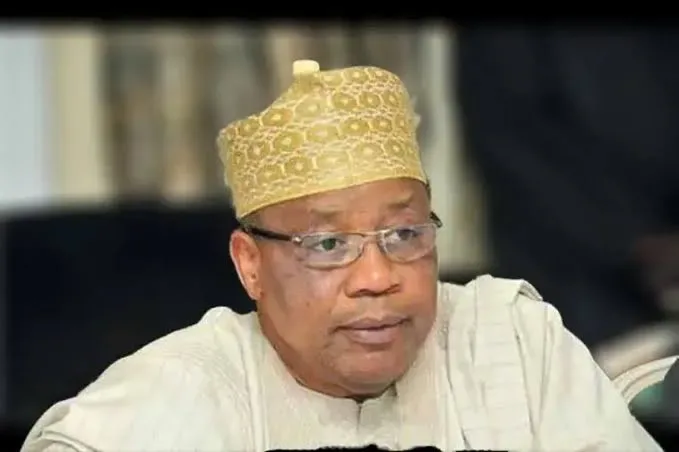
Ibrahim Badamasi Babangida, popularly called IBB or “the Evil Genius,” is the second-wealthiest politician in Nigeria and one of the wealthiest former heads of state on the African continent. Born on August 17, 1941, he ruled Nigeria as military head of state from August 1985 to August 1993, a period that remains one of the most consequential and most debated in Nigerian political history.
IBB’s wealth predates his years at Dodan Barracks. By multiple accounts, he had established himself as a financially independent officer long before reaching the apex of military power. His business instincts were sharp enough that he reportedly made his first million naira before the age of twenty, a claim that is difficult to verify but consistent with his documented trajectory.
Since leaving power, Babangida has maintained vast portfolios across commerce, oil and gas, real estate, and transportation from his base in Minna, Niger State. He remains one of the most quietly influential political figures in northern Nigeria, and that influence itself carries financial value in a country where political access is a commodity. His $5 billion net worth makes him not just a former ruler, but an ongoing economic force.
3. Orji Uzor Kalu, Net Worth: ~$3.4 Billion
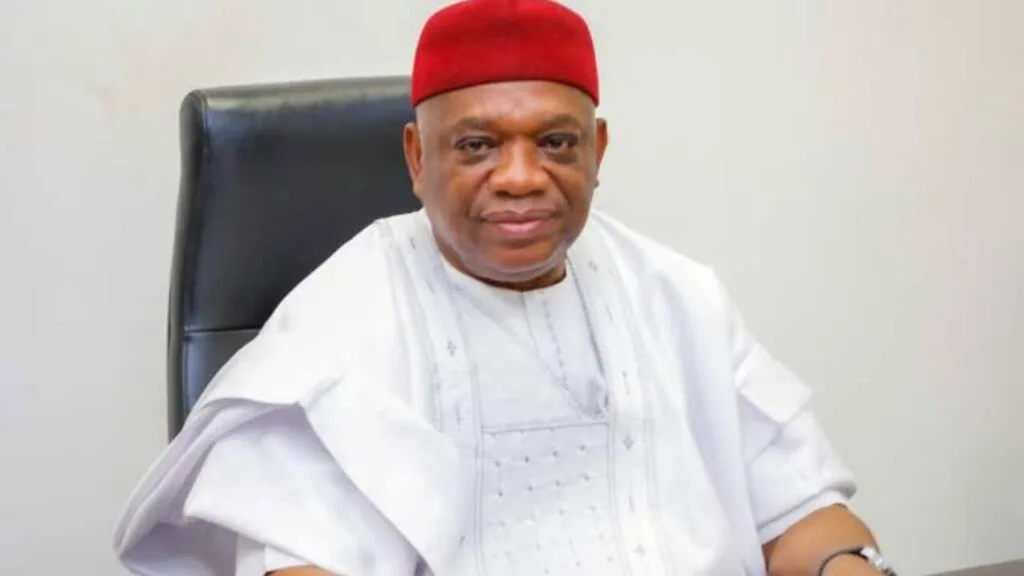
Orji Uzor Kalu is the most distinctly self-made figure on this list. Born on April 21, 1960, in Igbere, Abia State, he built his first business ventures as a teenager and was already running a trading operation before most of his peers had finished secondary school. His formal education was interrupted, which seemed to bother him very little.
Kalu went on to found SLOK Holdings, a conglomerate spanning manufacturing, banking, media, oil and gas, and shipping. He also established The Sun Publishing Limited, one of Nigeria’s most widely read newspaper groups. His business operations gave him the financial base to enter politics, not the other way around.
He served as Governor of Abia State from 1999 to 2007 under the Peoples Democratic Party. His tenure, like many Nigerian governorships, was not without controversy. He was arrested by the Economic and Financial Crimes Commission in 2007 on corruption charges related to his time in office.
After years of legal battles, he was convicted in 2019, sentenced to twelve years in prison, but was released after a Supreme Court ruling voided his conviction on jurisdictional grounds. He later won his Senate seat representing Abia North and remains one of the most outspoken legislators on the Nigerian political scene, having publicly declared himself the most important politician from the South-East as recently as late 2025.
With an estimated net worth of $3.4 billion, Kalu represents a rare case in Nigerian politics where the money clearly came first and the public office followed, even if the relationship between the two became complicated over time.
4. Olusegun Obasanjo, Net Worth: ~$1.6 Billion
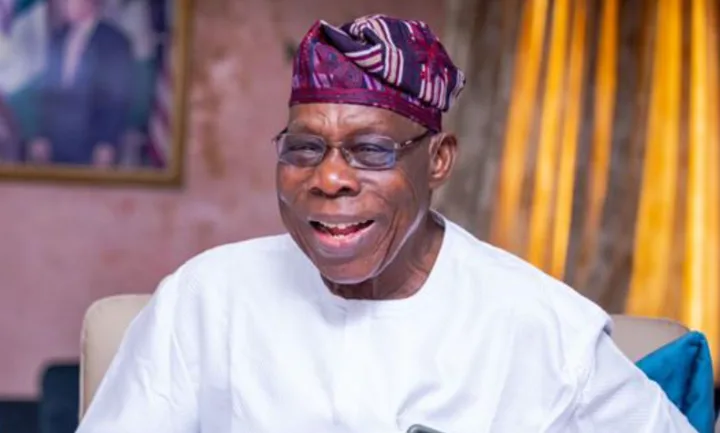
Few Nigerians have occupied as much political space over as long a period as Olusegun Obasanjo, known to most Nigerians simply as OBJ or Baba.
Born on May 5, 1937, in Otta, Ogun State, he has held power twice under dramatically different political systems. He served as military head of state from February 1976 to October 1979, then returned as democratically elected president from May 1999 to May 2007.
Obasanjo is fond of describing himself first as a farmer, but that is not entirely true. His Otta Farm in Ogun State is one of the largest private agricultural operations in Nigeria, encompassing poultry, fishery, and crop farming at a commercial scale. The farm became something of a political institution itself, hosting dignitaries and summits for decades.
Beyond agriculture, Obasanjo has diversified into real estate and various equity interests acquired over a long public life. His $1.6 billion net worth reflects both the legitimate returns on decades of business activity and the kind of financial access that comes with having governed Africa’s most populous country for eight years.
5. Atiku Abubakar, Net Worth: ~$1.4–$1.8 Billion
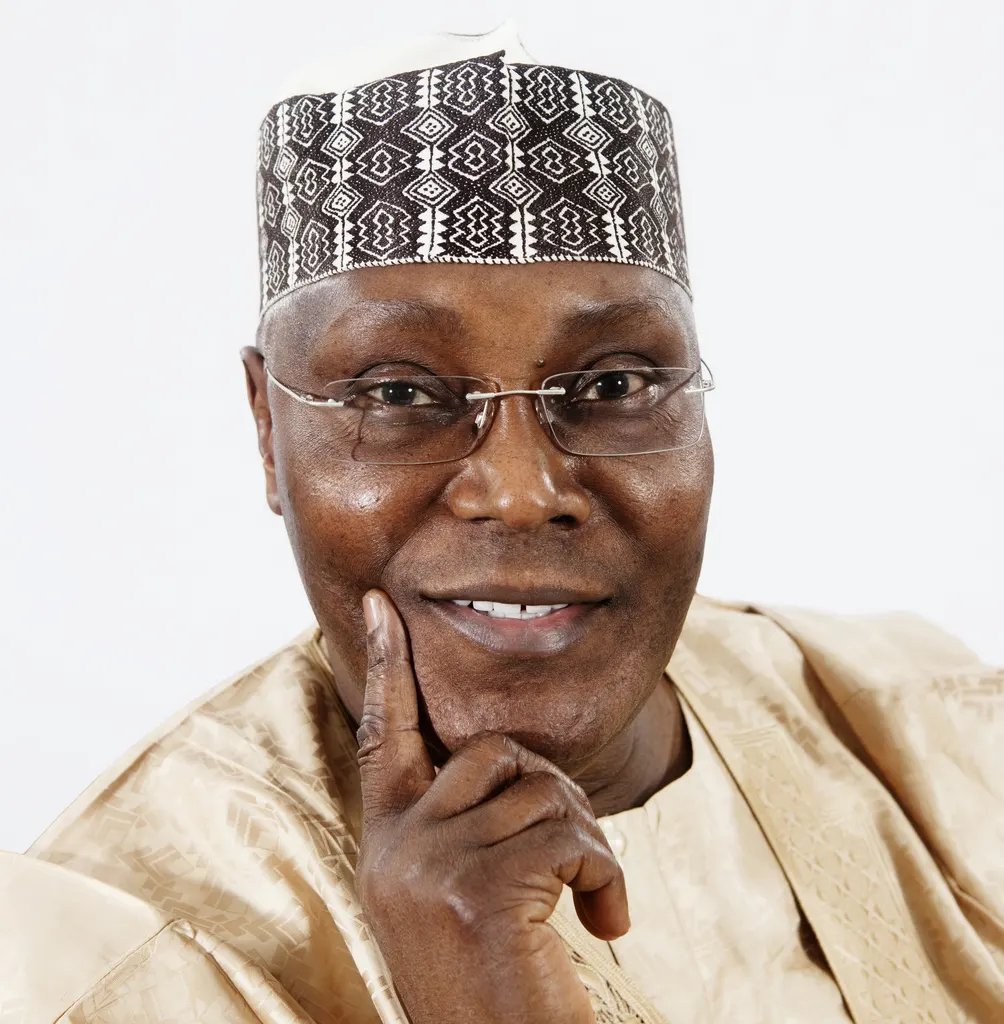
Atiku Abubakar is, in many ways, the most structurally interesting figure on this list. Born on November 25, 1946, in Jada, Adamawa State, he spent twenty years in the Nigeria Customs Service, rising to Deputy Director before resigning in 1989 to focus on business and politics.
His early wealth came not from political office but from the business relationships he built while still a uniformed officer, most significantly through INTELS Nigeria Limited, a logistics company he co-founded in 1982.
INTELS became one of the dominant port and terminal operations companies in Nigeria, and its growth during Nigeria’s oil boom years was rapid. By the time Atiku became vice president under President Obasanjo in 1999, he was already a wealthy man. His eight years in Aso Villa allowed him to deepen business connections across sectors, even as his relationship with Obasanjo deteriorated badly before the end of their second term.
Since leaving office, Atiku has run for president multiple times across different parties without success, a record that says more about Nigeria’s complex political geography than about any personal failure. His 2023 presidential bid under the PDP was his most recent, and as of 2026, at 79 years old, he remains a presence in opposition politics even as his formal ambitions appear to have cooled.
His business empire has continued to grow, encompassing logistics, education (he founded the American University of Nigeria in Yola), agriculture, real estate, and media. His net worth is estimated conservatively at $1.4 billion, with some sources placing it closer to $1.8 billion depending on asset methodology.
6. Patrick Ifeanyi Ubah, Net Worth: ~$1.7 Billion
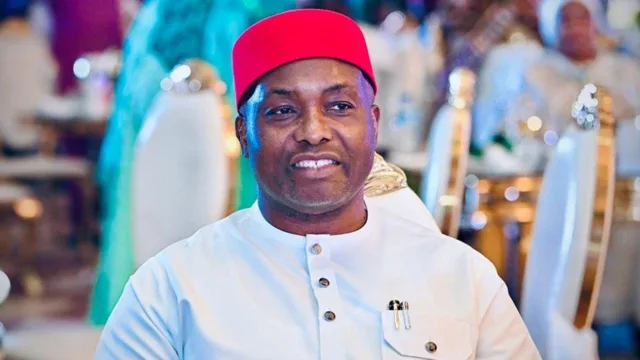
Patrick Ifeanyi Ubah is the kind of Nigerian politician whose money is unambiguously his own, built long before he ever held a senatorial seat. Born in Nnewi, Anambra State, he began his entrepreneurial journey in trading and commerce in his youth, eventually founding Capital Oil and Gas Limited, one of Nigeria’s major petroleum downstream companies.
Ubah is also the founder of Ifeanyi Ubah Football Club, which he purchased and rebranded as part of his broader profile-building in Igbo political and commercial life. His business interests span oil and gas, transportation, real estate, and sports. He served as Senator for Anambra South and was known for constituency empowerment programs that generated significant goodwill in his home region.
His estimated $1.7 billion net worth places him among the genuinely wealthy politicians in Nigeria, distinguished by the fact that his wealth is primarily traceable to private sector activity rather than government contracting.
7. Rochas Okorocha, Net Worth: ~$1.4 Billion
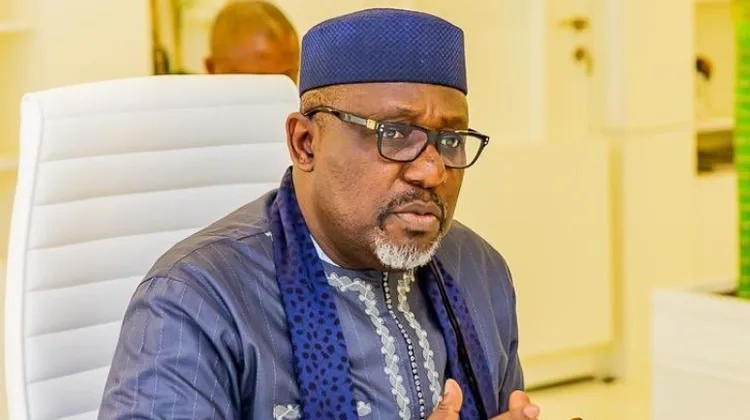
Rochas Okorocha’s story is, depending on who you ask in southeast Nigeria, either an inspiring tale of self-made success or a cautionary account of how populism and wealth can blur into each other.
Born on September 22, 1962, in Ideato South, Imo State, he grew up without privilege, worked as a vendor in Jos in his younger years, and built his wealth through real estate, hospitality, and educational institutions before entering elective office.
Okorocha founded the Rochas Foundation, which he used to establish schools for underprivileged children across multiple Nigerian states, and that foundation work became both a genuine philanthropic project and an effective political launching pad. He served as Governor of Imo State from 2011 to 2019, a tenure remembered for both ambitious infrastructure projects and intense controversies, including a statue of Rwandan President Paul Kagame that became a minor national scandal.
His estimated net worth of $1.4 billion reflects business holdings in real estate, education, and hospitality that predate and extend beyond his political career. He served as Senator for Imo West from 2019 to 2023 and remains one of the most recognizable political figures in Igbo public life heading into 2026.
8. Bukola Saraki, Net Worth: ~$800 Million–$2 Billion
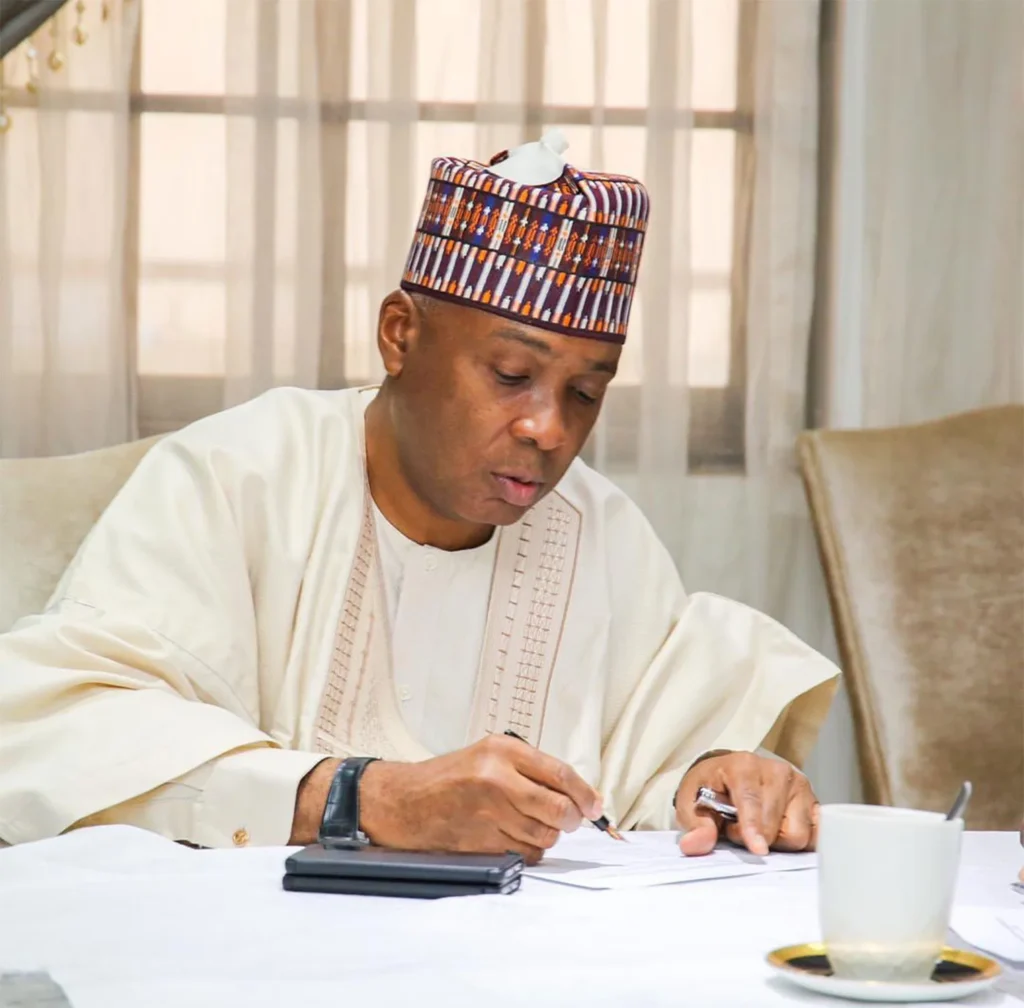
Bukola Saraki came into wealth the way very few Nigerian politicians will admit to: partly by inheritance. His father, Olusola Saraki, was one of the most powerful political operatives in Kwara State history, and the family’s financial and political assets were substantial long before Bukola entered the picture. It would, however, be reductive to describe him simply as a beneficiary of the dynasty.
Saraki trained as a medical doctor in the United Kingdom, briefly practiced medicine, then returned to Nigeria to manage the family’s financial interests before entering active politics.
He served as Governor of Kwara State from 2003 to 2011, two full terms during which Kwara’s governance became deeply associated with the Saraki name. He was later elected to the Senate and emerged, against considerable odds, as Senate President from 2015 to 2019, a period marked by fierce battles with the executive and an eventually resolved corruption trial before the Code of Conduct Tribunal.
His business interests span agriculture, oil and gas, real estate in Nigeria and Europe, and family-held banking interests. Net worth estimates range between $800 million on the conservative end and $2 billion in broader assessments that include attributed family holdings.
9. Dino Melaye, Net Worth: ~$800 Million
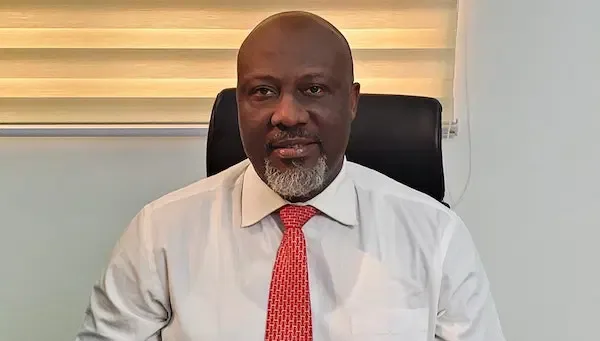
Dino Melaye is, by design, the most visible person on this list. A politician who turned personal branding into an art form, Melaye built a public persona around flamboyance, outspoken dissent, and a car collection that has become something of a national spectacle. Born and raised to make an entrance, he holds a degree in geography from Ahmadu Bello University and a law degree from the University of Lagos.
He served as a member of the House of Representatives and later as Senator for Kogi West from 2015 to 2019 under the APC before switching to the PDP. In the 2023 election cycle, he served as spokesperson for Atiku Abubakar’s presidential campaign. His public profile far exceeds what his official political career would typically generate, which is precisely the point.
Melaye’s wealth comes from real estate, oil and gas partnerships, a McDonald’s franchise, and private investments.
His car collection, which includes Rolls-Royce models, a Lamborghini Aventador, a Bentley Continental, and several other luxury vehicles, has made him as famous for his garage as for his legislative record. His estimated $800 million net worth makes him wealthy by any international standard, even if it places him toward the lower end of this particular Nigerian list.
10. Chibuike Rotimi Amaechi, Net Worth: ~$780 Million
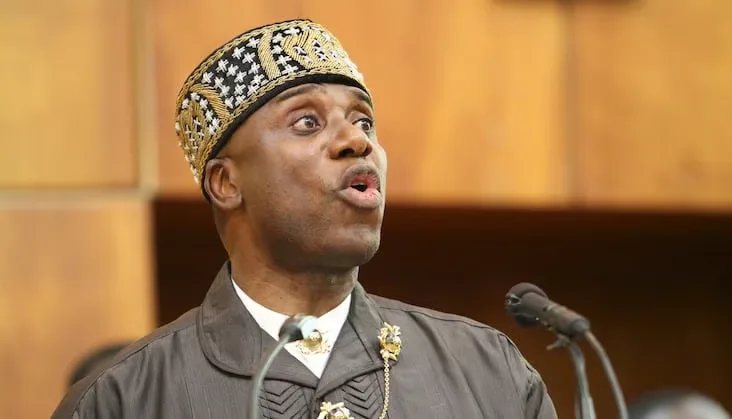
Chibuike Rotimi Amaechi has spent his entire adult life in public service, beginning as a teacher in Rivers State before pursuing law and eventually politics. Born on May 27, 1965, in Ubima, Ikwerre Local Government Area of Rivers State, he rose through the Rivers State House of Assembly to become its Speaker, then won the governorship in 2007 after one of the most bitterly contested political battles in the state’s history.
He served two terms as governor from 2007 to 2015, during which Rivers State’s infrastructure profile changed substantially. He then moved to the federal level as Minister of Transportation under President Muhammadu Buhari, overseeing major rail and port development projects until 2022. He ran in the APC’s presidential primary ahead of the 2023 elections before losing the ticket to Bola Tinubu.
Amaechi’s wealth is rooted in a combination of public sector earnings, real estate acquisitions, and business interests in transportation and oil that grew alongside his political career.
His vehicle collection includes a Mercedes-Maybach Vision 6, a Mercedes-AMG G63, a Land Rover Discovery, and several other high-value cars. His estimated net worth of $780 million reflects the trajectory of a career spent at the center of state and federal power in Nigeria’s most oil-rich region.
The Bigger Picture: Wealth, Power, and What It Means for Nigeria
Understanding the richest Nigerian politicians is not just an exercise in fascination with luxury lifestyles. It tells you something real about how the Nigerian state functions and for whom. The concentration of wealth at the political level, in a country where the majority of citizens live below the poverty line, is one of the defining contradictions of modern Nigeria.
Not all political wealth is equivalent in how it was acquired. Some of the men on this list, like Orji Uzor Kalu and Ifeanyi Ubah, built substantial businesses before entering the political arena. Others are inseparable from the budgets they once controlled. The difference matters, both morally and for understanding the country’s economic structure.
What is consistent across all of them is the use of diversification. The era of Nigerian political wealth being held in a single sector is largely over. Today’s Nigerian political billionaire holds real estate in Ikoyi and Abuja, oil field stakes in the Niger Delta, farmland in the Middle Belt, equity in Lagos media companies, and offshore accounts in jurisdictions that prefer not to ask too many questions. That breadth of investment insulates wealth against any single economic or regulatory shock.
Nigeria’s anti-corruption infrastructure, from the EFCC to the Code of Conduct Bureau, has made life harder for political figures who accumulate wealth too openly. As this list demonstrates, harder is not the same as impossible, and political wealth in Nigeria continues to grow, in absolute terms, even as the broader economy struggles through currency volatility, inflation, and infrastructure deficits.
The richest Nigerian politicians of 2026 are not only a reflection of individual ambition. They are a mirror held up to a system that, at its current configuration, rewards proximity to power more than almost any other variable. Whether that changes depends on choices that go far beyond any single person on this list.
What People Ask