Meet Top 10 Richest Businessmen in Africa
A giant refinery share sale has stretched Aliko Dangote's lead, while the fortunes behind him run through luxury goods, diamonds, telecoms and an American deal still awaiting clearance.
A share sale can redraw a continent’s rich list before the stock has traded for a single day. Among the richest businessmen in Africa, the clearest proof is an oil refinery near Lagos, whose public offering helped add $24 billion to its owner’s estimated fortune in just two months.
Trending Now!!:
Aliko Dangote ranks first with $55.4 billion. The top 10 are worth a combined $142.5 billion, leaving him with close to 39 percent. His fortune is larger than those ranked second, third and fourth put together, and more than 15 times the $3.6 billion held by the man in 10th place.
His surge also flatters the group. The total rose by $21.2 billion over those two months, less than Dangote gained alone. Taken together, the other nine places lost ground, a reminder that a richer top 10 can coexist with several poorer or stagnant tycoons.
The routes below him are far less uniform than cement and oil. One fortune hinges on an American wholesale deal still awaiting clearance. Another owes much to walking away from the diamond trade, and one contender built a mobile network after an earlier licence slipped from his grasp.
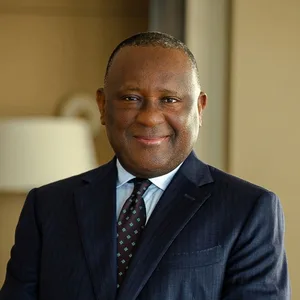
The list also includes two brothers, a former cabinet minister and an industrialist who has spent time in jail and denies wrongdoing.
These figures are estimates of assets minus debts, not cash in the bank, and they move with share prices and exchange rates. Some include family wealth, and methods differ sharply: a more cautious valuation puts Dangote near $39 billion.
The ranking uses one consistent set of higher-profile estimates, with notable gaps flagged. At the top, the real test is how much a public market will pay for something one man still overwhelmingly owns.
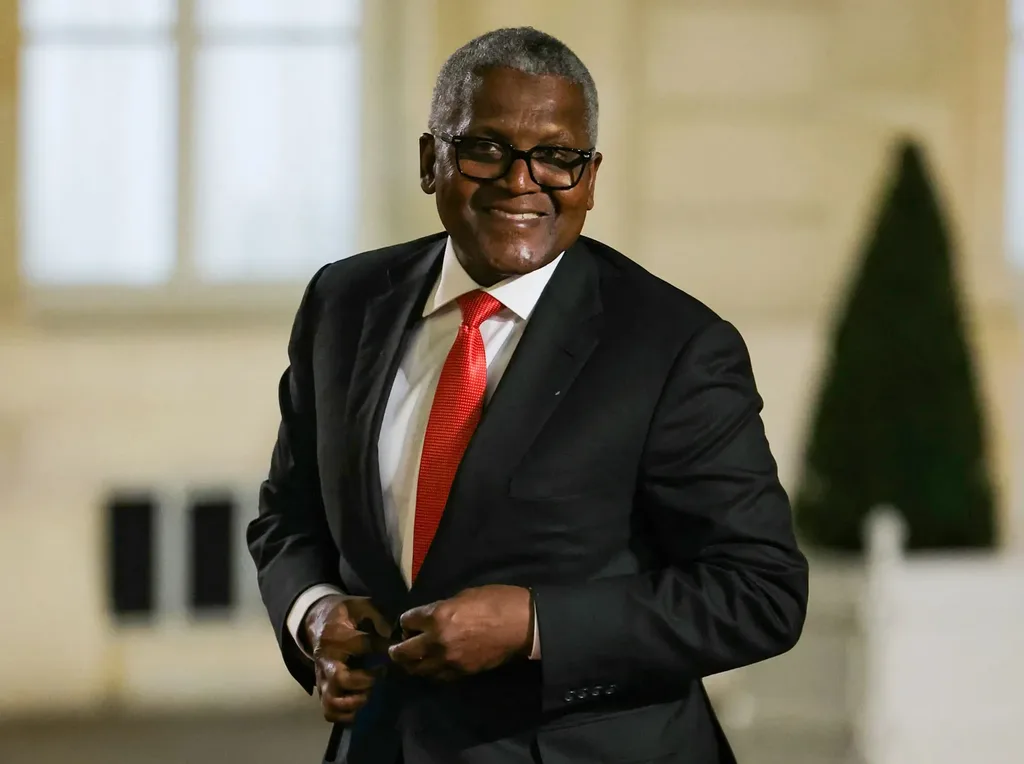
1. Aliko Dangote — $55.4 Billion
Refining has transformed Aliko Dangote, a Nigerian who began as a commodities trader with family funding. His Lekki plant, able to process about 700,000 barrels of crude a day, cost roughly $20 billion.
Shares in Dangote Petroleum Refinery and Petrochemicals were priced to value it near $48 billion, with trading in Lagos scheduled for December 1. His stake, expected to be about 84 percent after the offer, was worth roughly $40 billion at that price.
He also owns about 86.8 percent of Dangote Cement. Such concentration gives him control, but it also ties his net worth tightly to market sentiment.
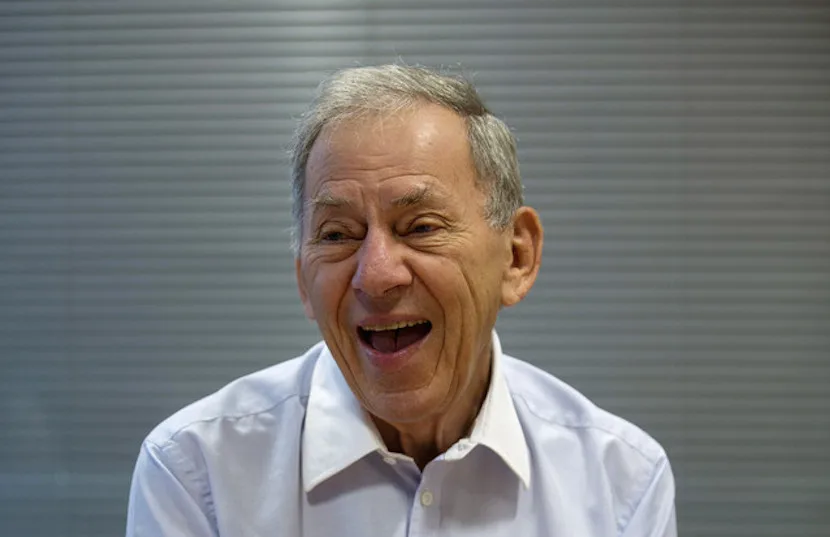
2. Nathan Kirsh — $19.2 Billion
A grain milling venture in Eswatini gave Nathan Kirsh, who was born in South Africa, an early base. His biggest prize came from American wholesale: he owns around three-quarters of Jetro Restaurant Depot, whose warehouses supply independent restaurants.
Sysco agreed to buy the business for about $29.1 billion, including debt, through a package containing $21.6 billion in cash and 91.5 million shares.
Completion still depends on clearance from the U.S. Federal Trade Commission, so a signed price should not be mistaken for money received. More conservative estimates place Kirsh, a nonagenarian, near $15 billion.
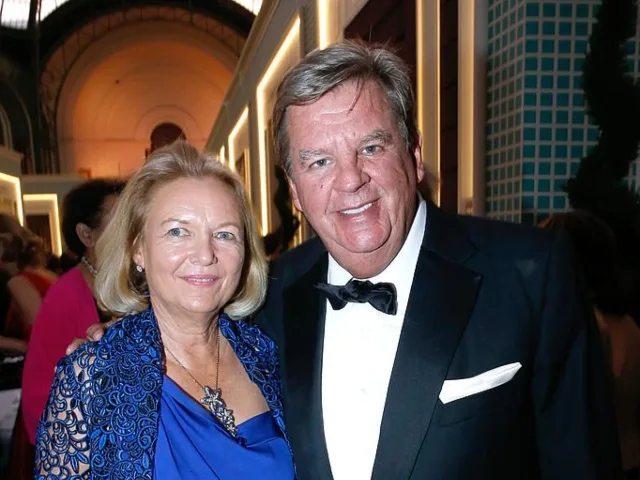
3. Johann Rupert and Family — $15.5 Billion
Luxury goods anchor the wealth of Johann Rupert, chairman of Richemont, the Swiss owner of Cartier, Van Cleef & Arpels and IWC. The South African also controls investment group Remgro.
The estimate for him and his family fell by $2 billion during the two-month stretch, proof that even a famous portfolio can lose value quickly. Succession is now the story to watch.
Rupert elevated his son, Anton Rupert, to non-executive co-deputy chairman of Richemont in September. The move placed the younger Rupert one step below his father on the board, although the elder man has set no timetable for handing over the chair.
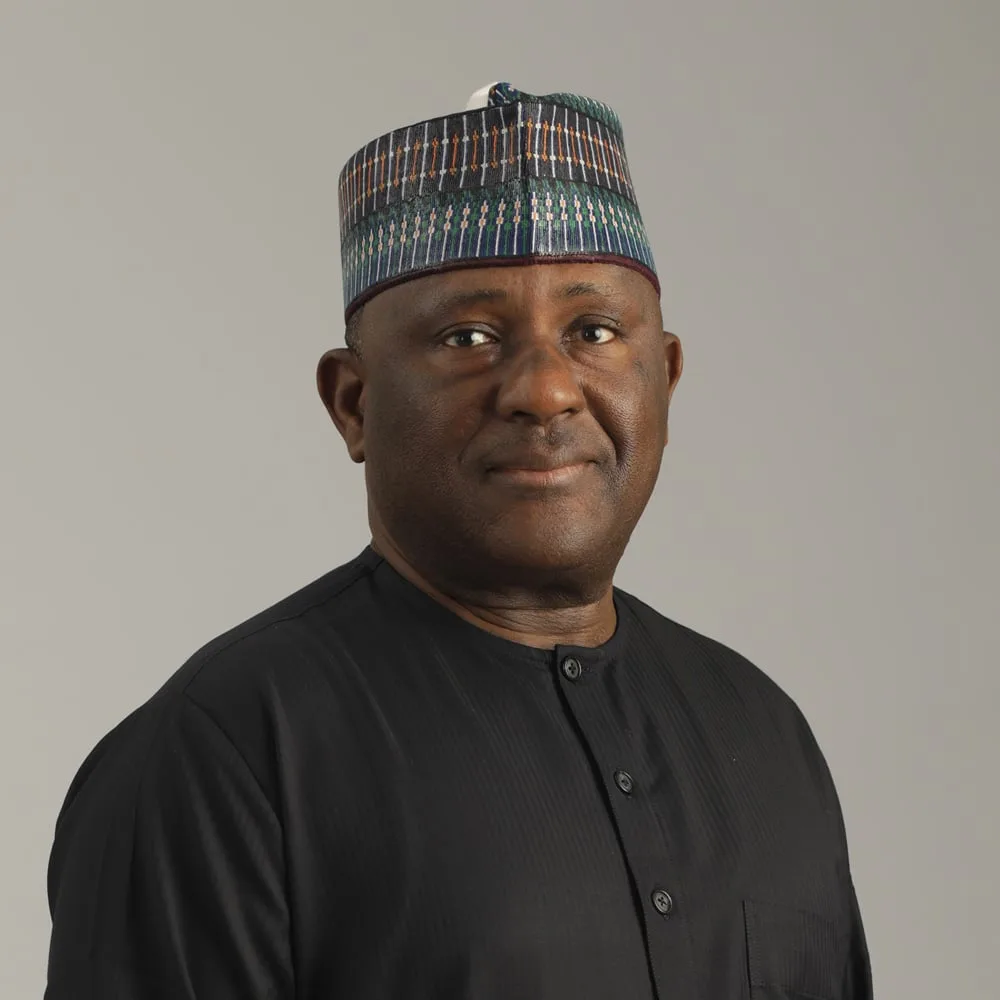
4. Abdul Samad Rabiu — $12.3 Billion
Cement and food give Abdul Samad Rabiu two large engines. The Nigerian founded BUA Group as a trading business importing goods such as food, iron and steel, then pushed into manufacturing. He holds more than 90 percent of both BUA Cement and BUA Foods, which trade in Lagos.
Over one nine-month reporting period, the cement company’s profit climbed 60 percent to ₦463.1 billion ($339 million), while earnings at the food company rose 11 percent despite weaker sales. His unusually large holdings carry a catch: with relatively few shares available to others, quoted values may be hard to realise through a big sale.
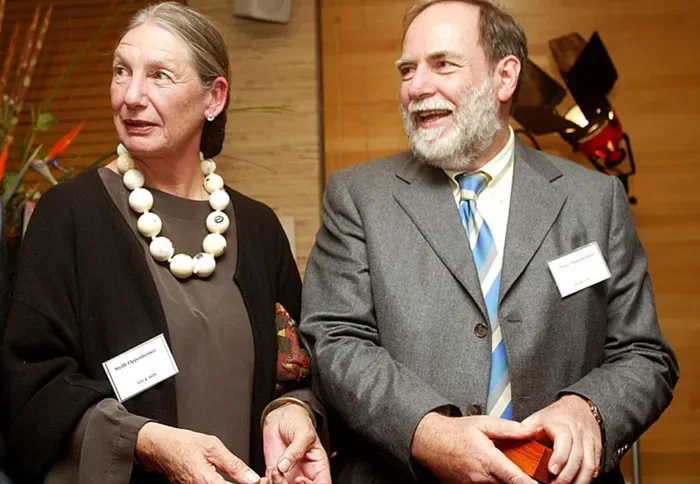
5. Nicky Oppenheimer and Family — $10.6 Billion
Selling defined the modern fortune of Nicky Oppenheimer. The South African’s family had been tied to De Beers for generations before he sold its remaining 40 percent stake to Anglo American for about $5.1 billion in cash.
His investments now run through Oppenheimer Generations, where his son, Jonathan Oppenheimer, is executive chairman. Away from finance, father and son have assembled the Tswalu Kalahari Reserve from dozens of former farms.
Covering about 118,000 hectares in the Northern Cape, it is South Africa’s largest privately owned reserve, a very different asset from the diamond empire Oppenheimer once chaired.
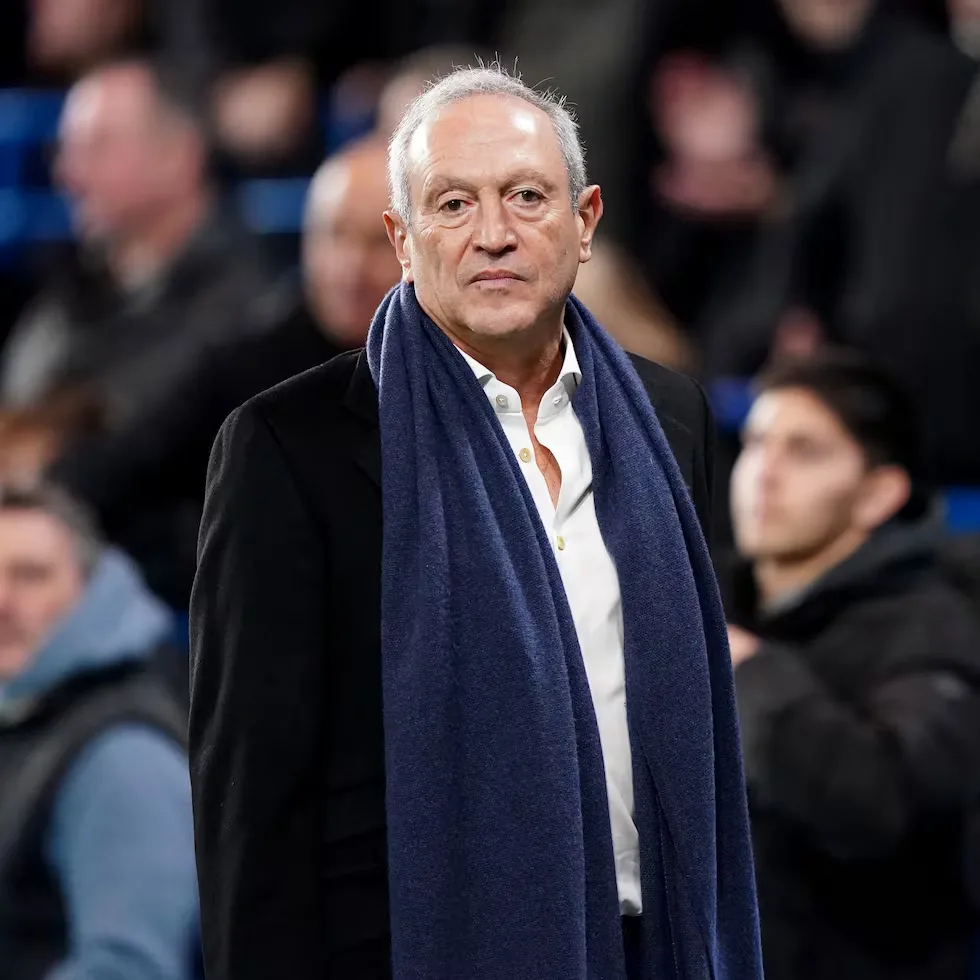
6. Nassef Sawiris — $9.5 Billion
European boardrooms and English football have widened the profile of Nassef Sawiris, Egypt’s richest man. He is among the largest shareholders in Adidas, chairs its supervisory board and co-owns Aston Villa with American investor Wes Edens.
Industry remains central to the picture. Sawiris also moved to tighten his grip on Dutch-listed OCI through a cash offer from his family investment company, NNS. The bid sought to break a deadlock over a planned merger with Orascom Construction, and its final acceptances left NNS and Sawiris with 68.77 percent of OCI between them.
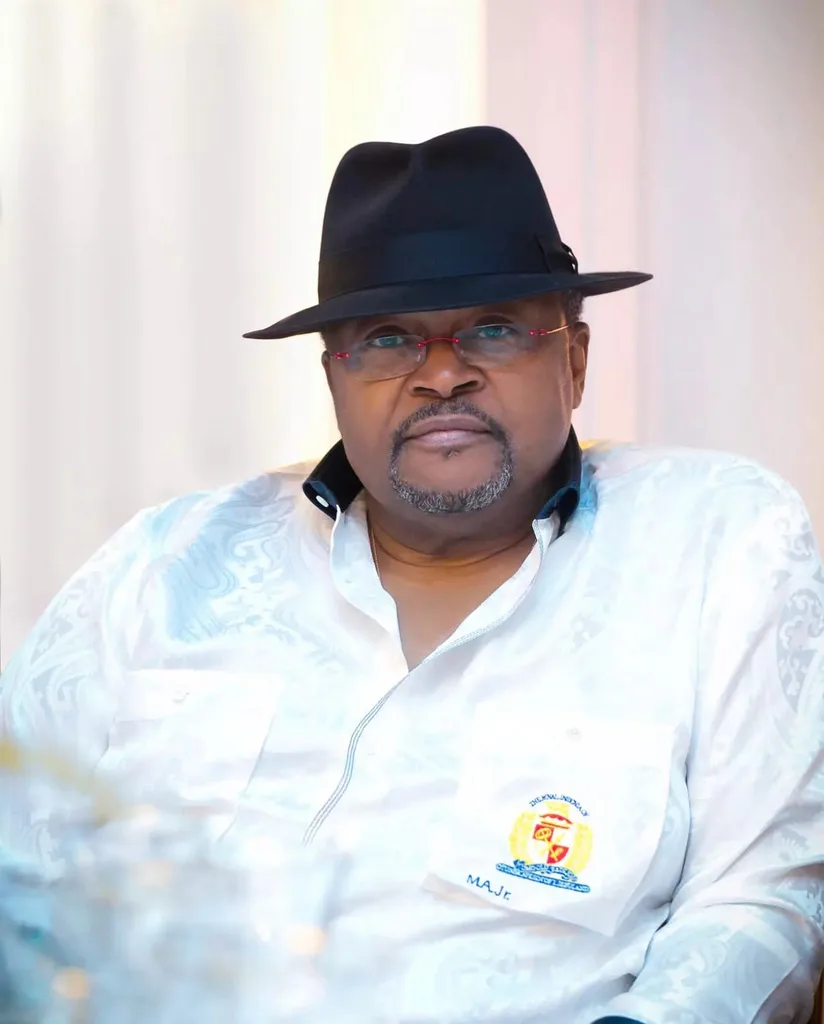
7. Mike Adenuga — $6.8 Billion
An early setback in mobile telephony failed to keep Mike Adenuga out. After his company’s conditional licence was revoked, the Nigerian returned through Globacom and won the country’s second national operator licence.
Glo reached customers behind established rivals, then attacked their pricing with per-second billing from launch. The move made a technical tariff feature a powerful consumer selling point.
Adenuga owns all of Globacom, giving him unusual control over a major telecoms business. His interests extend to oil through fuel marketer Conoil and an exploration company, Conoil Producing, so his fortune does not rest on phone subscribers alone.
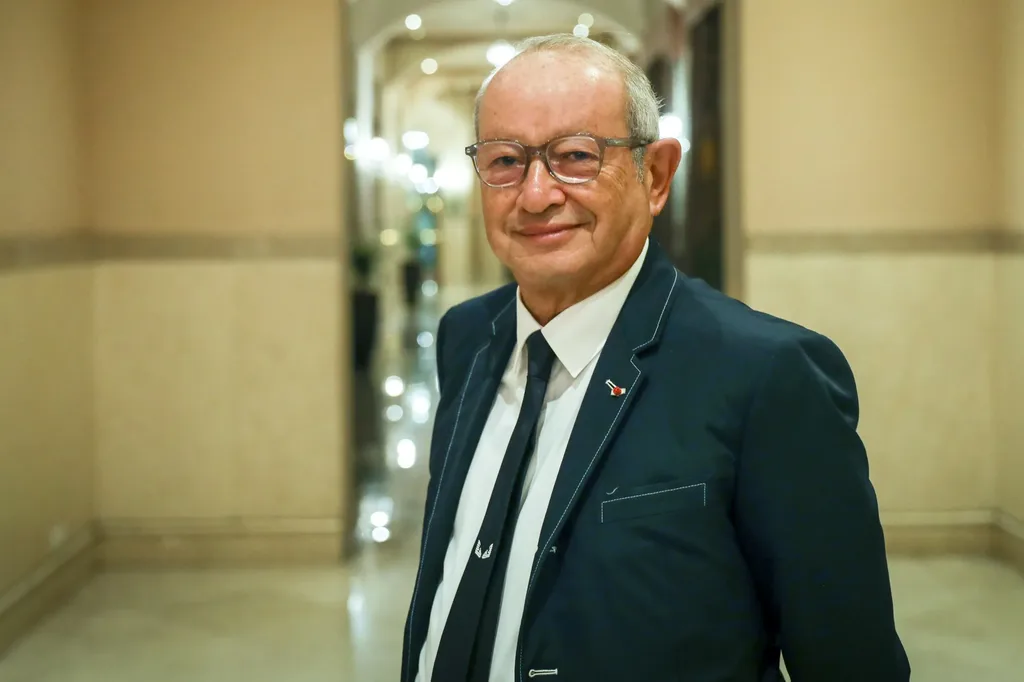
8. Naguib Sawiris — $5.6 Billion
Telecoms made Naguib Sawiris one of Egypt’s best-known dealmakers. He expanded Orascom Telecom into a major emerging-market operator before selling control to Russia’s VimpelCom in a multibillion-dollar transaction.
His next chapter moved into very different assets, including gold through La Mancha and property through Ora Developers. He also chairs Orascom Investment Holding. The elder brother of sixth-placed Nassef Sawiris, he followed a separate wealth path.
Their estimates add up to $15.1 billion, but the ranking treats them individually because shared parentage does not turn two portfolios into one balance sheet.
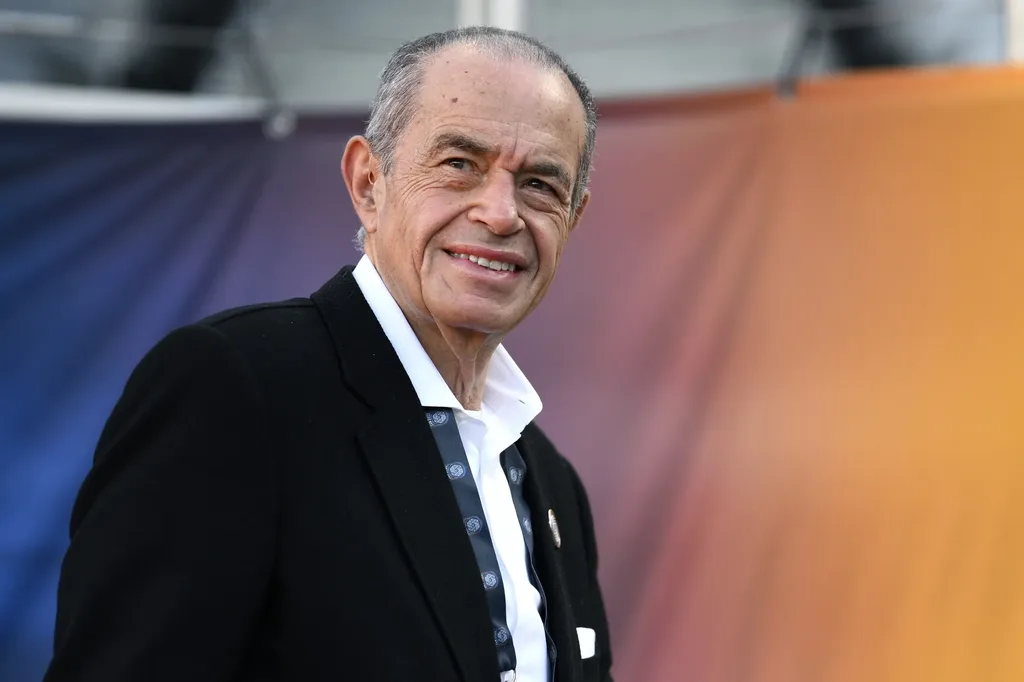
9. Mohamed Mansour — $4 Billion
Cars and heavy machinery underpin the fortune of Mohamed Mansour, who leads a family group his father, Loutfy Mansour, started in the cotton business. The Egyptian helped build it into a major distributor of General Motors vehicles, while its Caterpillar operations serve Egypt and other African markets.
Mansour, who shares family business ownership with his brothers, has also served as Egypt’s transport minister. His interests now reach private investment through Man Capital and football through Right to Dream, whose network includes San Diego FC.
King Charles III later awarded him a British knighthood for business, charity and political service.
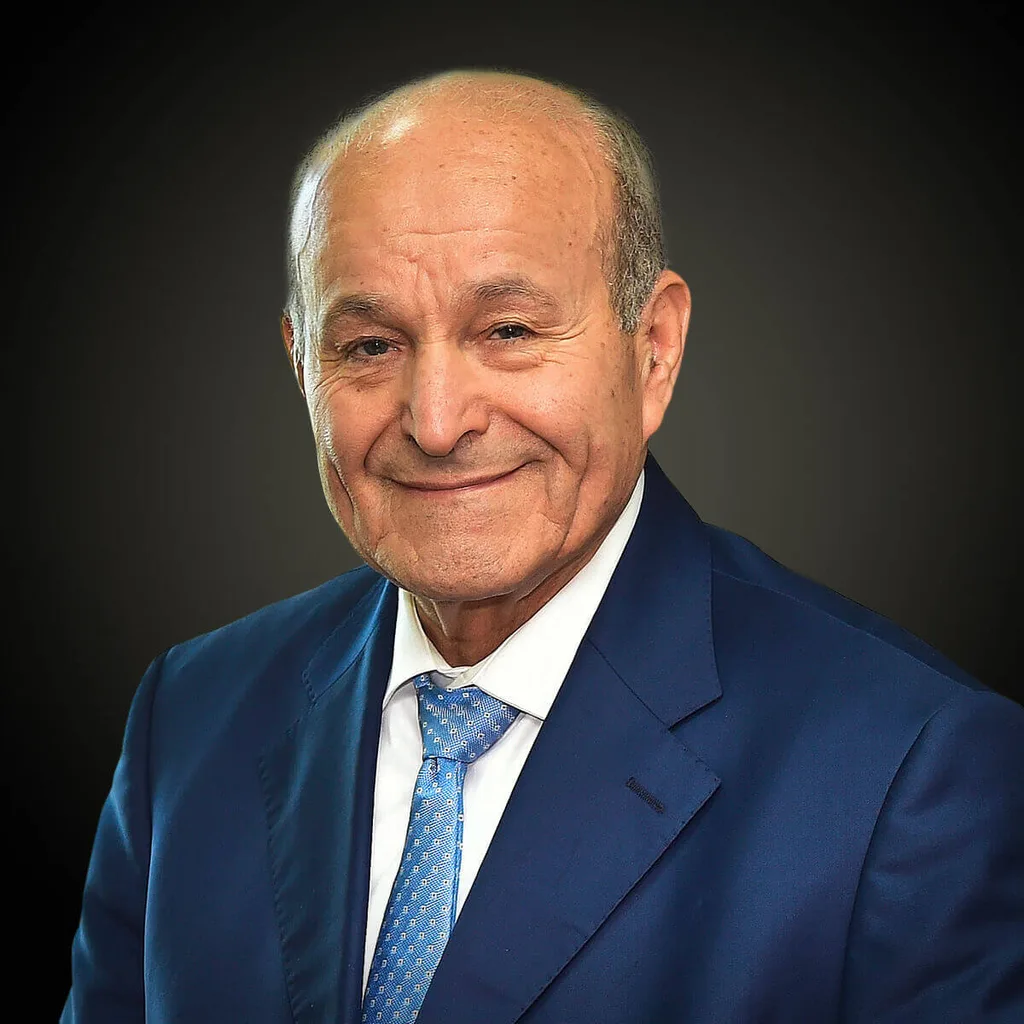
10. Issad Rebrab and Family — $3.6 Billion
Food processing, especially sugar, helped Issad Rebrab turn Cevital into Algeria’s largest private company. Its Béjaïa sugar operation ranks among the world’s biggest, while the wider group has interests in edible oils, retail and industry.
The former accountant spent eight months in jail over corruption allegations and denies wrongdoing. An Algerian court later barred him from management or commercial duties at Cevital, where his son Malik Rebrab leads the business.
Rebrab edged into 10th place as South African banker Michiel le Roux slipped to $3.5 billion. With only $100 million separating them, a modest valuation change can decide who makes this list.
What People Ask