
Meet Top 10 Richest Musicians in Ghana
From Sarkodie's $18 million empire to King Promise's rising fortune, meet the Ghanaian musicians who turned talent into serious wealth, and the business moves that made the difference.
Ghana’s music industry has never been a place for the faint-hearted. It is loud, competitive, unforgiving, and, for those who learn to navigate it with both talent and strategy, extraordinarily rewarding.
From the grimy street corners of Ashaiman to sold-out arenas in London and New York, Ghanaian musicians have spent decades building something that the world is only now beginning to fully appreciate: a multimillion-dollar entertainment economy rooted in rhythm, resilience, and relentless reinvention.
Trending Now!!:
When people talk about the wealthiest musicians in Africa, Nigeria tends to dominate the headlines. But Ghana has been quietly producing its own class of music millionaires.
The richest musicians in Ghana are not just artists. They are record label CEOs, real estate investors, brand ambassadors, and cultural ambassadors whose influence extends far beyond any single chart position or streaming number. Their net worths tell only part of the story.
This list pulls together the top 10 richest musicians in Ghana, ranked by estimated net worth, factoring in income from music royalties, live performances, endorsement deals, business ventures, and long-term investments.
The figures are drawn from multiple credible entertainment and financial sources, including Forbes rankings and industry reports, and should be understood as estimates, given that private wealth is notoriously difficult to pin down with surgical precision.

1. Sarkodie, Net Worth: $18 Million
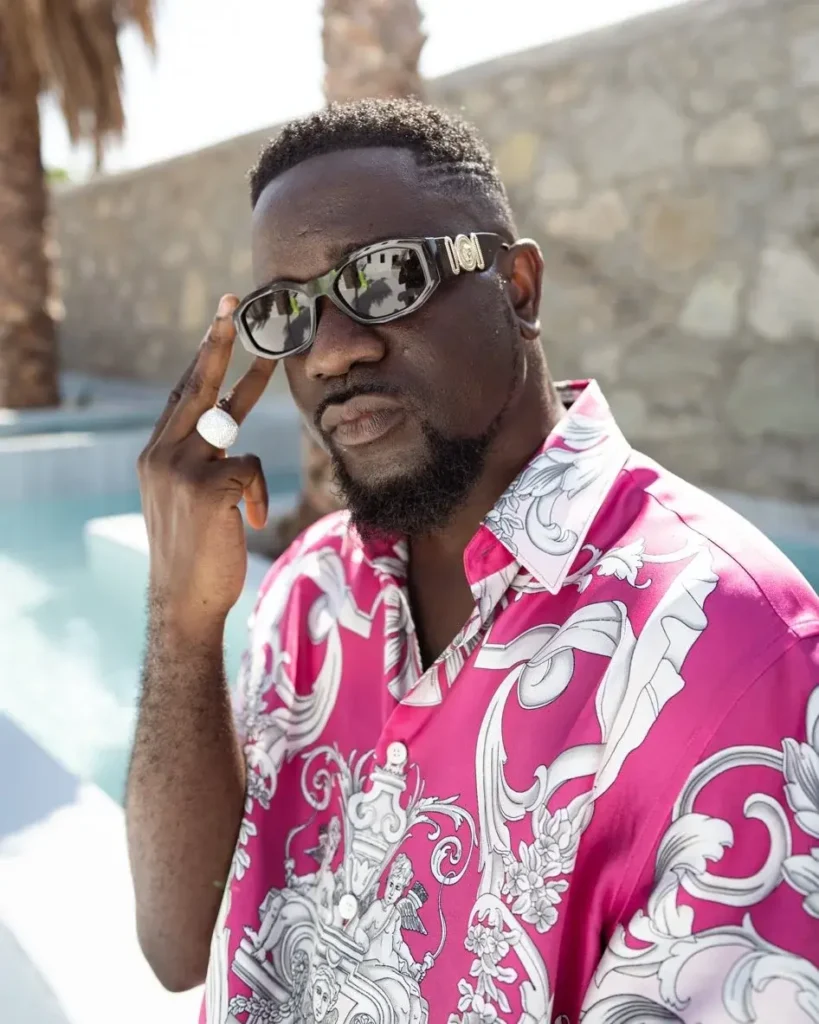
If you spend any amount of time following Ghanaian music, the name Sarkodie comes up within the first thirty seconds.
Michael Owusu Addo, born on July 10, 1988, in Tema, is not just Ghana’s richest musician; he is arguably the most decorated rapper the African continent has ever produced. His career is a masterclass in longevity: more than a decade at the very top of an industry that chews up and spits out talent with frightening regularity.
Sarkodie did not arrive at $18 million by accident. His debut album, Makye, in 2009 announced him as a force, but it was the consistency that followed, album after album, collaboration after collaboration, that cemented his financial standing. He became the first Ghanaian rapper to win a BET Award in 2012 and then doubled down with the BET Hip Hop Awards Best International Flow prize in 2019, marking the first time that category was ever awarded.
Beyond music, Sarkodie runs Sarkcess Music, his own record label, and has signed endorsement deals with some of the biggest brands operating in West Africa. Samsung Electronics, Tigo Telecommunications, Standard Chartered Bank, and Guinness Ghana have all had his name attached to their campaigns.
He has also developed a music streaming application, which speaks to his understanding that the future of music income lies in owning the platforms, not just the content. His real estate portfolio and investment interests outside Ghana further insulate his net worth against the volatility of the music industry.
Vodafone Ghana Music Awards named him Artiste of the Decade, and with 92 wins from 165 nominations across his career, the accolades speak for themselves.
The thing people underestimate about Sarkodie is his discipline. He has stayed married, stayed focused, and stayed unbothered by the kind of drama that has derailed many of his contemporaries. That consistency off the stage has protected his brand value on it.
2. Daddy Lumba, Net Worth: $16 Million
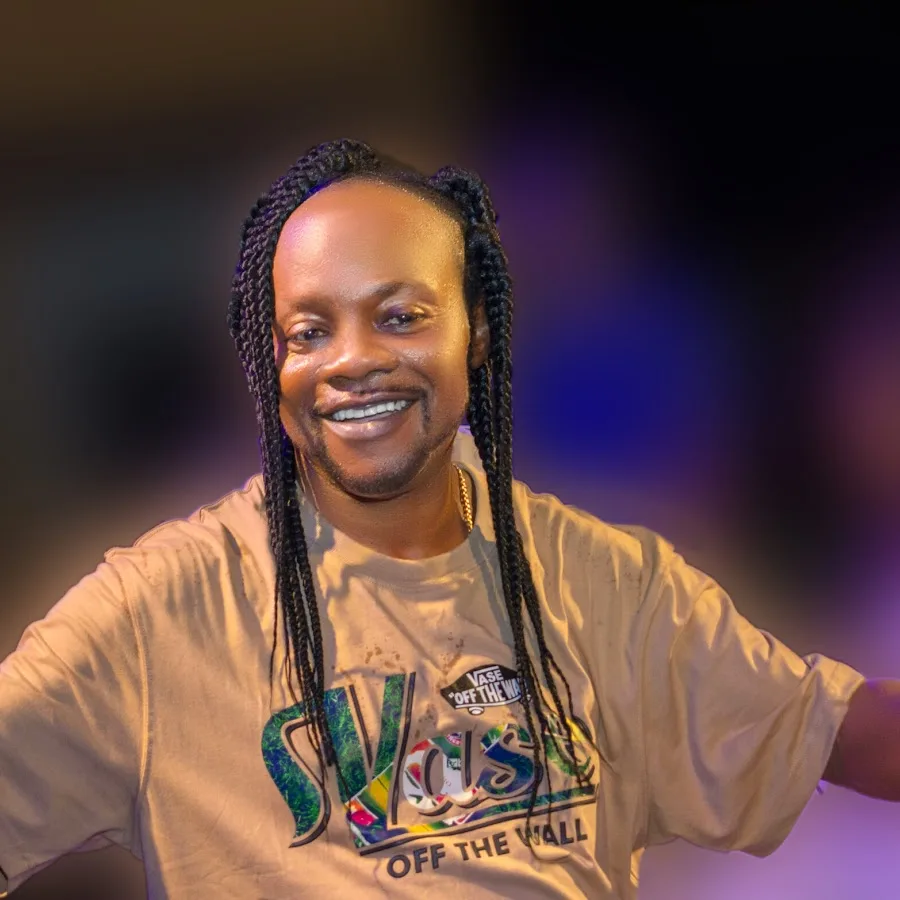
Charles Kwadwo Fosu, known professionally as Daddy Lumba, is a name that does not need introduction in any Ghanaian home. Born on June 22, 1964, he is a highlife legend whose catalog has crossed three generations of listeners.
His classic records, Aben Wo Ha and Theresa, are not just songs; they are cultural artifacts. At 60 years old in 2025, Daddy Lumba sits comfortably at second on this list with an estimated net worth of $16 million, a figure that reflects decades of smart financial management alongside musical output.
Most musicians who peaked in the 1990s are either forgotten or nostalgic curiosities by the 2020s. Daddy Lumba is neither. He holds over 30 studio albums and has performed across Ghana, the United Kingdom, the United States, Germany, and the entire Ghanaian diaspora corridor for decades. His live performance fees have remained consistently high because his audience has grown older with him, and older audiences, frankly, pay better.
He once faced serious health challenges that forced him to step back from the industry, and rather than retreating permanently, he came back with a more measured approach to his career and finances.
“Music gave me everything,” he reportedly shared during that period. “But wisdom is learning to multiply what it gives you.” His diversified investments outside music, spanning real estate and other long-term business interests, have kept his net worth growing even during quieter creative periods.
Daddy Lumba benefits from something most younger musicians cannot buy: a legacy premium. His music generates royalties on its own, performing financially without him having to lift a finger. That passive income stream, compounding over three decades, is a significant portion of what puts him at $16 million.
3. Shatta Wale, Net Worth: $13 Million
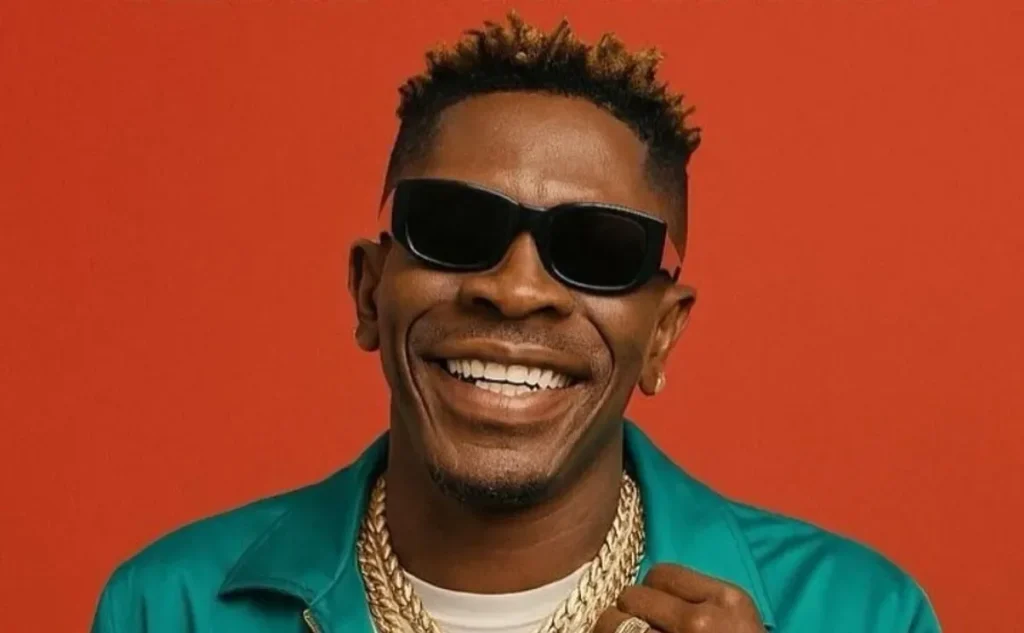
Charles Nii Armah Mensah Jr., better known as Shatta Wale, is Ghana’s most combustible music personality, and he has turned that combustibility into a multimillion-dollar brand.
Born on October 17, 1984, in Accra, he started his career as Bandana, built a modest following with early singles, then disappeared almost entirely from the public eye. His return in 2013 under the Shatta Wale name was one of the most remarkable career resurrections in Ghanaian music history.
The 2013 single Dancehall King did not just revive his career; it redefined Ghanaian dancehall. Shatta Wale brought a level of theatrical aggression and fan mobilization that the industry had not seen before. He built the SM (Shatta Movement) army, a fanbase so loyal it functions almost like a military unit, showing up for album releases, defending him online, and buying merchandise in volumes that matter commercially.
His endorsement portfolio includes Storm Energy Drink, Boss Baker Beef Roll, Guinness Ghana, and Rush Energy Drink. His record label, SM Records, gives him a piece of every artist he signs.
In 2014, he was named African Artist of the Year. In 2019, he appeared on Beyoncé’s The Lion King: The Gift album on the track “Already,” which introduced him to a genuinely global audience in a way no amount of local chart-topping could have achieved.
He owns a mansion in Accra valued at approximately $1 million, and his fleet of vehicles, including a Range Rover, Mercedes-Benz G Wagon, and Maserati, has become as much a part of his public persona as his music.
Anyone tracking Shatta Wale’s career closely will note that his controversies have cost him opportunities. But they have also generated attention, and in the attention economy, even negative press converts to streams. He is a man who understands that being talked about, for any reason, keeps him commercially relevant. Whether one admires that approach or not, the $13 million net worth suggests it works.
4. Okyeame Kwame, Net Worth: $10 Million
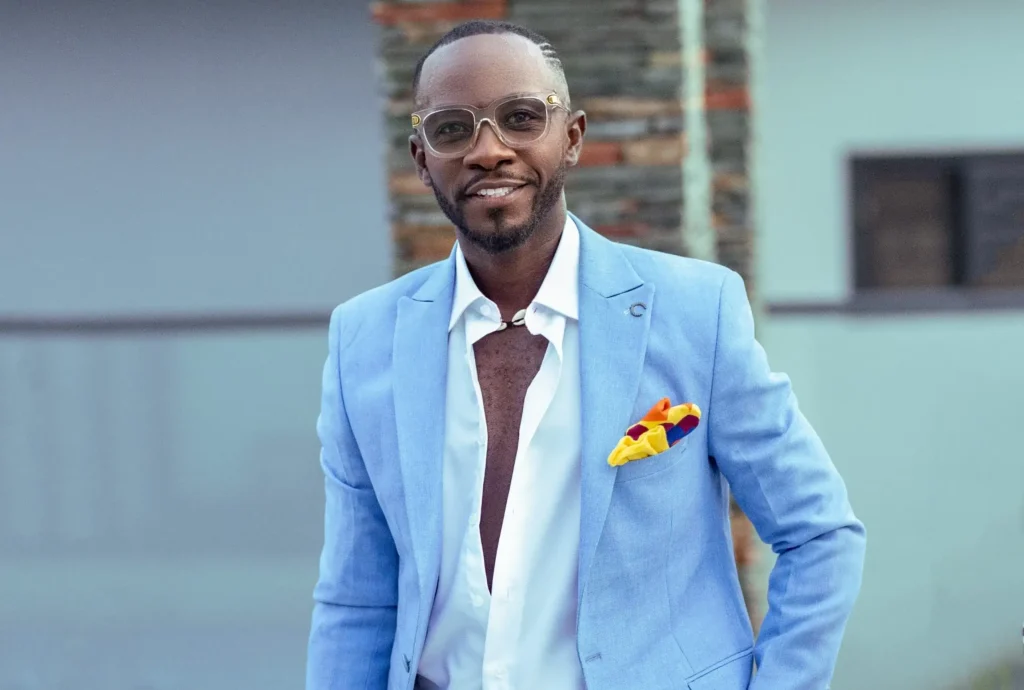
Okyeame Kwame, born on April 17, 1976, carries the title “Rap Doctor” not as a vanity label but as a descriptor of how seriously he approaches the craft.
He began in the duo Akyeame alongside Okyeame Quophi, and their 1997 debut album Witty Knot announced hiplife, the genre that fused Ghanaian highlife traditions with hip-hop’s energy, to a mainstream audience.
What separates Okyeame Kwame from many of his contemporaries is his formal education in music. He studied classical guitar at Kwame Nkrumah University of Science and Technology, giving him a technical foundation that most self-taught artists lack. That foundation shows in the quality of his production choices and the longevity of his appeal.
His estimated net worth of $10 million is built on a foundation of music income, brand endorsements, speaking engagements, and personal investments.
He raps and sings primarily in Twi, the Akan language whose name literally means “linguist of the royal court,” a title that speaks to his carefully cultivated image as a custodian of Ghanaian language and culture. That cultural authority has made him a preferred ambassador for brands wanting to reach a sophisticated, educated Ghanaian consumer.
Okyeame Kwame has leveraged his image as a family man, intellectual, and fashion enthusiast to build a personal brand that transcends the usual musician archetype in Ghana. He writes, he speaks, and he mentors, and each of those activities has a monetary value.
5. Fuse ODG, Net Worth: $9 Million
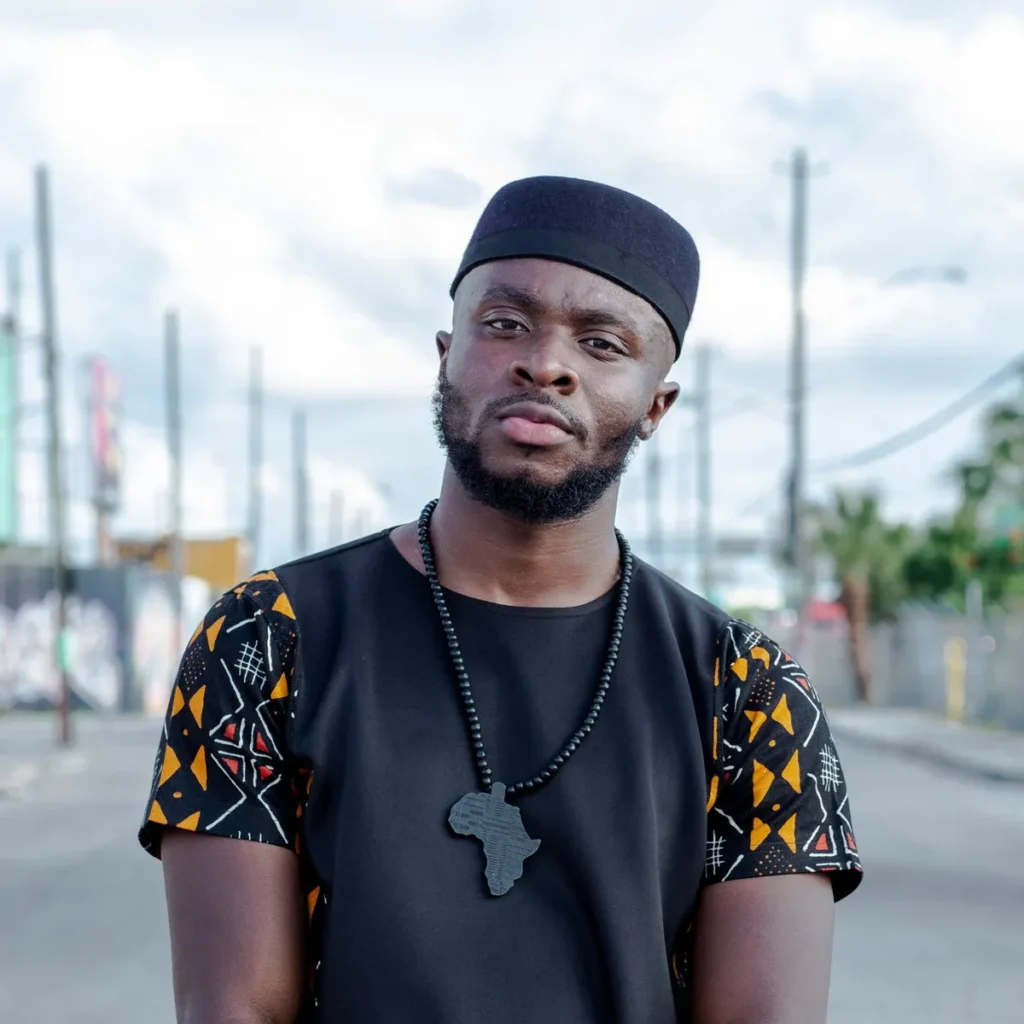
Nana Richard Abiona, who performs as Fuse ODG, represents something genuinely rare in Ghanaian music: an artist who broke through in the United Kingdom first and then used that international credibility to command respect back on the continent. Born in Accra but raised in London, he attended Archbishop Lanfranc School and received formal musical training before building his career in the British music scene.
His 2013 hit T.I.N.A. (This Is New Africa) reached the UK Top 40 and introduced a generation of European listeners to Afrobeats in a way that predated the genre’s current global dominance. He followed that with collaborations alongside Sean Paul, Wyclef Jean, Major Lazer, and Wande Coal, each partnership expanding his commercial reach without compromising his Ghanaian artistic identity.
Fuse ODG owns 3Beat Records, a label that gives him a stake in the revenue generated by the artists he signs and distributes. That label income, combined with music royalties, live performance fees across Europe and Africa, and brand partnerships, has built his $9 million net worth.
He has been outspoken about African development and has invested in Ghanaian infrastructure projects, including a cultural center in Akyem Osenase, his ancestral hometown.
His position as a bridge between Ghana and the United Kingdom music markets gives Fuse ODG a commercial advantage that purely domestic artists cannot easily replicate. He can fill venues in Birmingham and Accra in the same month, and the fee structures in both markets are different enough that the combination is highly lucrative.
6. Becca, Net Worth: $6.2 Million
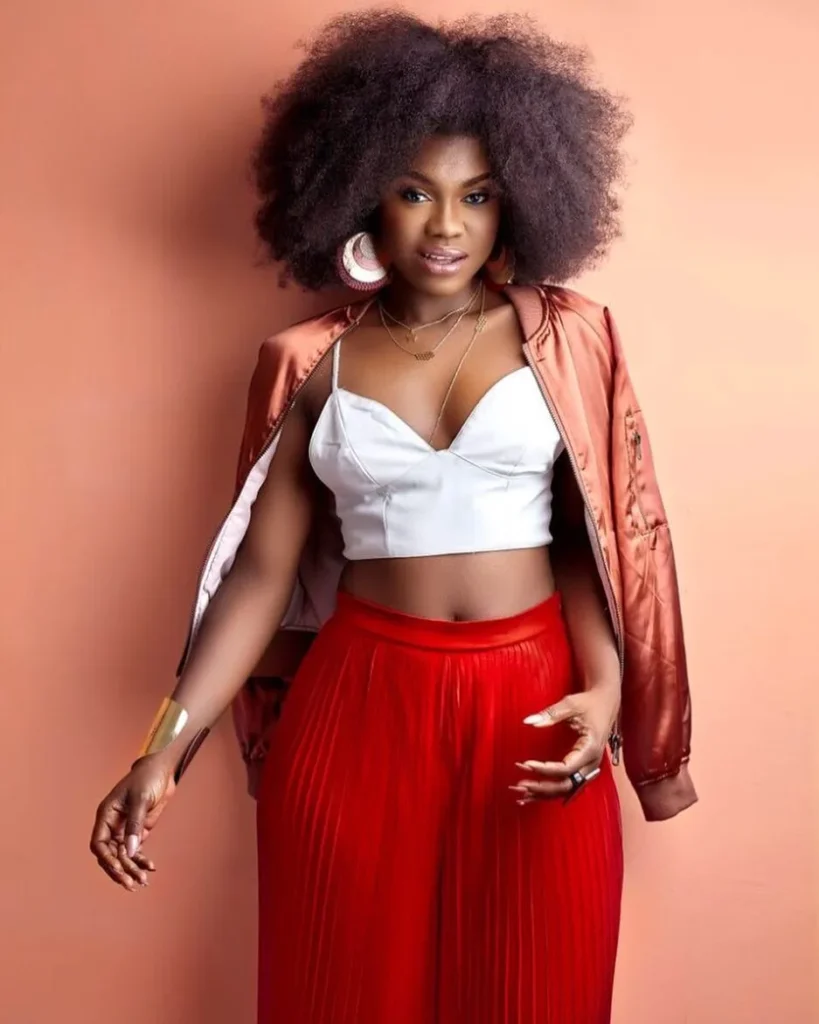
Rebecca Akosua Acheampong, known professionally as Becca, holds the distinction of being Ghana’s richest female musician, a title she has earned through consistent quality rather than headline-grabbing controversy. Born in 1984, she first came to national attention as a contestant on TV3’s Mentor singing competition in Season 2, and since then has built a career of quiet, sustained excellence.
Becca signed with EKB Records and built her catalog across R&B, highlife, Afrobeats, and pop, collaborating with artists including Shatta Wale, Stonebwoy, Sarkodie, Tiwa Savage, and Patoranking. Her ability to move across genres without losing her vocal identity has made her a reliable feature artist and a consistent draw at live events.
Her $6.2 million net worth is built on a combination of music royalties, ambassadorial deals, and endorsements, plus what sources describe as beauty and lifestyle business interests she has developed alongside her music career. In a music industry where female artists in Ghana have historically been undervalued commercially, Becca has been deliberate about building financial structures that protect her income over the long term.
She received the Ghana Music Award for Best Female Vocalist multiple times and maintains a recording and touring schedule that keeps her income generating even as the industry around her changes.
7. Stonebwoy, Net Worth: $6 Million
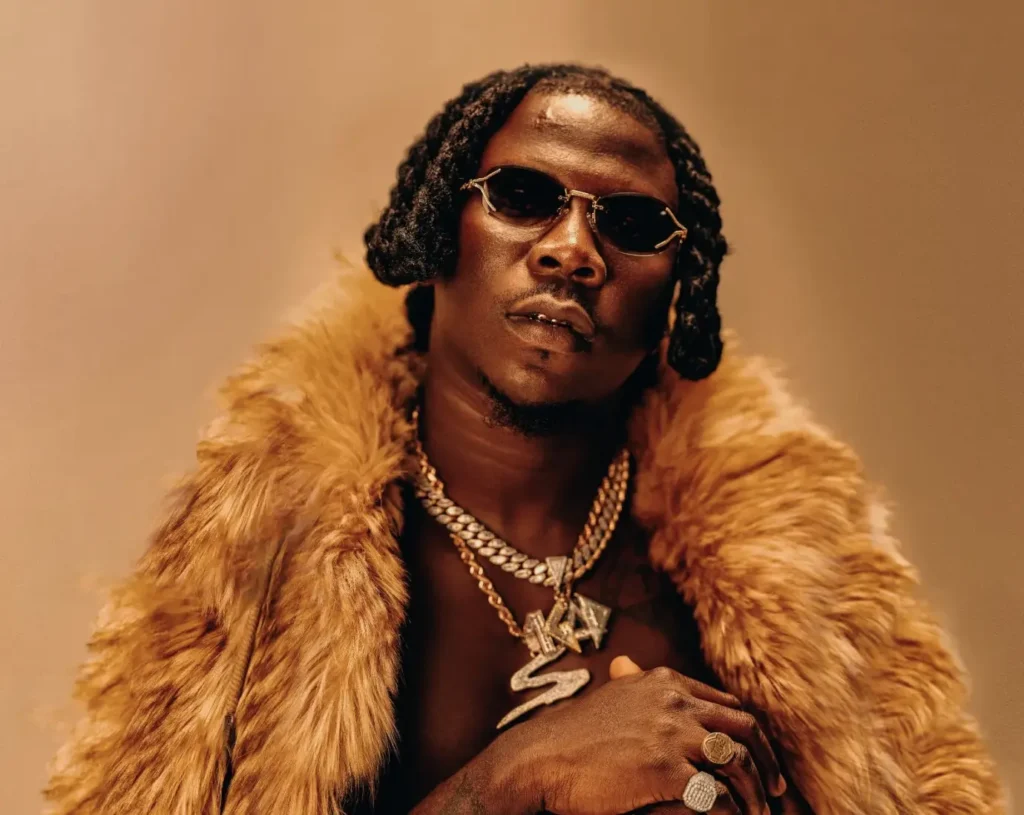
Livingstone Etse Satekla, born on March 5, 1988, in Ashaiman, is one of those musicians whose net worth of $6 million feels almost misleading given his actual cultural stature. Stonebwoy is a BET Award winner, a global reggae and dancehall artist, and one of the most socially conscious voices in Ghanaian music.
He started rapping in secondary school rap contests and built his way up through Ashaiman, one of Ghana’s most densely populated and economically challenging urban communities.
Stonebwoy runs Burniton Music Group, his own record label and management company, which has signed and developed several Ghanaian artists. That entrepreneurial layer of his income is significant: label revenue, music distribution fees, and management commissions all flow through a structure he controls. He won the BET Award for Best International Act: Africa in 2015, one of the most credible international endorsements any Ghanaian musician has ever received.
His income streams include music sales, live performances across Africa, Europe, and North America, brand endorsements, and the label business. His ongoing beef with Shatta Wale, while personally unfortunate, has kept both artists in the public conversation and, paradoxically, has not hurt either man’s commercial standing in any measurable way.
Stonebwoy has built genuine credibility as a social activist, using his platform to speak on issues affecting youth unemployment, education, and public health in Ghana. That authenticity has made him a preferred ambassador for causes and brands that want credibility alongside reach.
8. R2Bees, Net Worth: $6 Million
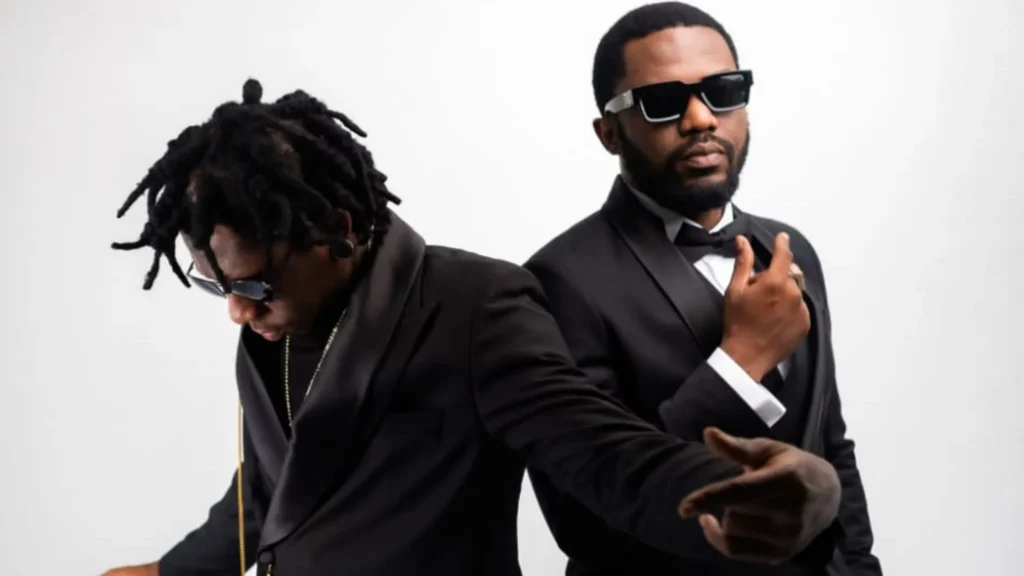
R2Bees is one of Ghana’s most beloved musical duos. Faisal Hakeem (Omar Sterling) and Rashid Mugeez, cousins from Tema, have built a collaborative career that spans hip-hop, hiplife, and Afrobeats with a lightness of touch that has made their music genuinely cross-generational. Their estimated combined net worth stands at approximately $6 million.
What makes R2Bees interesting from a financial perspective is their model: two artists sharing revenue, sharing creative credit, and splitting the costs of building a career. That model has its advantages, reducing individual financial exposure during lean periods, and its disadvantages, requiring a level of trust and alignment that breaks most partnerships eventually. R2Bees has maintained it for over fifteen years.
They have collaborated with Davido, Sarkodie, Wizkid, Wande Coal, and Criss Waddle, each collaboration expanding their commercial network. Their music sits comfortably in the Afrobeats lane that West African artists have successfully exported globally, meaning their catalog has streaming value that will compound over time.
9. Reggie Rockstone, Net Worth: $5 Million
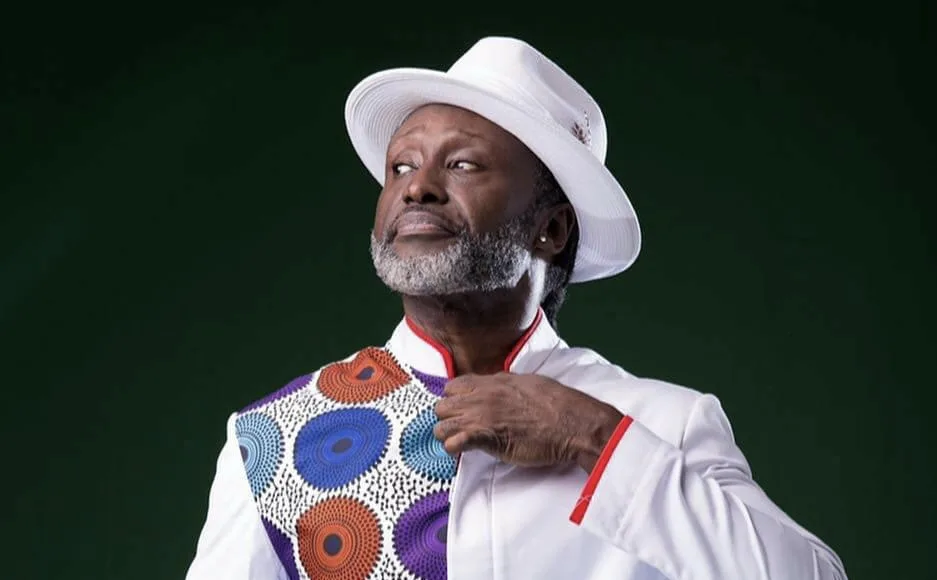
Reginald Yaw Asante Ossei, performing as Reggie Rockstone, is the man most responsible for inventing hiplife as a codified genre.
Born in Ghana and educated in the United Kingdom and the United States, he returned to Accra in the 1990s with a vision: to blend hip-hop’s energy with highlife’s soul, and to do it in Twi rather than English. At a time when African artists were still largely imitating American sounds, that was a genuinely radical creative decision.
Reggie Rockstone has spent decades building a net worth estimated at $5 million through music, business ventures, brand endorsements, and his work as a judge and mentor on The X Factor Nigeria Ghana. He has been more entrepreneurial than many people credit, running ventures outside music that have contributed meaningfully to his financial position.
His legacy as hiplife’s founding father has given him a cultural authority that translates into speaking fees, brand partnerships, and event headlining opportunities that most artists of his commercial size would not normally command. Legacy, it turns out, has a very real market value.
10. King Promise, Net Worth: $3 Million
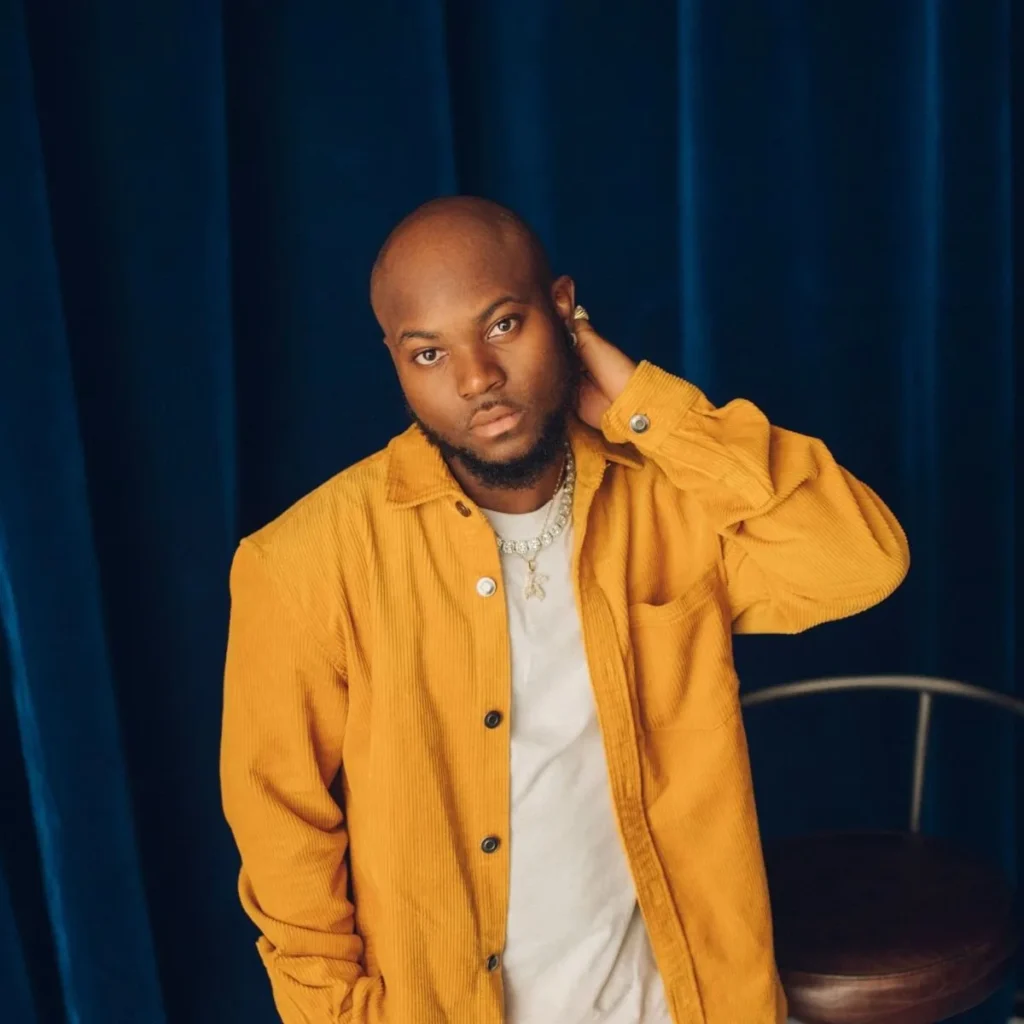
Gregory Bortey Newman, known as King Promise, is the youngest musician on this list and, arguably, the one with the most runway left.
Born in Accra, he entered the industry in 2016 and moved with a speed that surprised the entire ecosystem. His father was a classical music enthusiast, and that early exposure to music theory gave King Promise a harmonic sophistication that sits underneath even his most commercial releases.
King Promise works across hip-hop, Afrobeats, and highlife with a fluency that suggests he has genuinely internalized each genre rather than simply visiting them for commercial reasons. His collaborations have spanned continental and international artists, and his streaming numbers on Spotify and Apple Music represent a digital income base that artists from earlier generations never had access to.
His $3 million net worth at his career stage is significant. At the same point in Sarkodie’s career, the Tema rapper was nowhere close to that figure. The digital streaming economy, combined with the global appetite for Afrobeats-adjacent music, means that King Promise’s financial trajectory has the potential to accelerate in ways that would put him much higher on this list within the next five years.
He earns from music sales, live performances, brand endorsements, and streaming royalties, and his youth gives him an asset that money cannot buy: time.
How Ghana’s Richest Musicians Actually Build Their Wealth
It Is Never Just the Music
One thing that becomes immediately clear when you examine the finances of Ghana’s wealthiest musicians is that music is the foundation, not the ceiling.
Every artist on this list has diversified into at least one of the following: a record label, real estate investment, a brand endorsement portfolio, a product line, or a tech venture. Sarkodie built a streaming app. Fuse ODG invested in a cultural center. Daddy Lumba spent three decades quietly compounding his investments while his catalog earned royalties in the background.
The artists who stayed purely in music, releasing and performing without building parallel income structures, are not on this list. That is not a coincidence.
Endorsements Are the Real Income Engine
Ghana’s corporate sector has increasingly recognized the commercial power of music personalities. Telecom companies, beverage brands, financial institutions, and consumer goods companies have all signed Ghanaian musicians to endorsement deals that, at the top level, pay between tens of thousands and hundreds of thousands of dollars per year.
For Sarkodie, whose endorsement portfolio has included Samsung, Standard Chartered, and Guinness Ghana, those deals collectively may represent as much income as his touring schedule.
The Streaming Dividend
For younger artists like King Promise, the economics are different and better than anything their predecessors experienced. A song that reaches 50 million streams on Spotify generates meaningful recurring revenue.
It is not the fortune that mythology sometimes suggests, but it is income that continues long after the promotional cycle has ended. Combined with the sync licensing market, where Ghanaian music is increasingly being placed in international television shows, commercials, and films, the streaming era has created new wealth pathways that simply did not exist in Daddy Lumba’s commercial prime.
The Challenge of Piracy
No honest accounting of the Ghanaian music economy ignores piracy. Physical album piracy gutted CD revenues for a generation of artists. Digital piracy reduced download income.
Even today, unauthorized streaming and content theft remain real problems that lower the earnings of every artist on this list below what they would otherwise be. The musicians who have succeeded financially are largely those who built income streams, like live performance, endorsements, and real estate, that piracy cannot easily touch.
Rising Names to Watch
While Black Sherif does not yet belong on the richest list, his international trajectory suggests that could change quickly. His 2021 breakout, the one-two punch of First Sermon and Second Sermon, generated global conversation and introduced Ghanaian music to streaming audiences far outside the continent. His live performance fees have risen sharply, and his streaming footprint grows with each release.
Medikal and Efya are two others whose financial profiles are building through a combination of music output, brand work, and genuine audience loyalty. The next iteration of this list may look quite different.
A Final Word
Ghana’s music industry is one of Africa’s most creatively rich environments. The artists on this list did not inherit their wealth. They built it note by note, tour by tour, endorsement negotiation by endorsement negotiation.
What separates the wealthiest musicians in Ghana from those who remain talented but financially fragile is not always talent; it is the recognition that music is a business, and that treating it like one is not a betrayal of the art but the only sustainable way to protect it.
The stories behind these fortunes are, at their core, stories about discipline, strategy, and the willingness to keep building long after the hit record has faded from the radio.
What People Ask