Meet Top 10 Richest Tech Billionaires in the World
From SpaceX’s trillion-dollar debut to Oracle’s debt-fueled AI slide, the ten richest tech fortunes are being rewritten by the same forces reshaping the market.
Elon Musk leads the world’s richest tech billionaires at roughly $869 billion, followed by Jeff Bezos, Larry Page, Michael Dell, SB, Mark Zuckerberg, Jensen Huang, Larry Ellison, Steve Ballmer and Bill Gates. Rankings reflect Forbes estimates as of November 1 and shift daily with stock prices.
Nine of the world’s ten wealthiest people owe their fortunes to American tech companies, according to Bloomberg. Roughly 100 tech billionaires among its 500 richest added a combined $845 billion in the first nine months of the year, a record.
Trending Now!!:
Tech fortunes now total about $4.6 trillion, or 36% of the index’s wealth, even though tech founders make up only about a fifth of its members.
The picture is less comfortable at the top than the totals suggest. Forbes reports that the world’s ten richest people lost a combined $273 billion over the past month as disappointing tech earnings and worries about AI spending pushed the Nasdaq down nearly 5%.
Fortunes of this size are mostly public stock and private-company valuations, not cash, so a bad month can erase tens of billions without anyone selling a share.
Warren Buffett holds the tenth spot on the overall Forbes ranking but is excluded here because his wealth comes from Berkshire Hathaway, not technology. Gates takes the tenth tech slot instead.



Different trackers show different numbers, since Bloomberg and Forbes treat restricted shares, private stakes and trusts differently. Figures below follow Forbes as of November 1, with notes where Bloomberg diverges.
1. Elon Musk — $869 billion
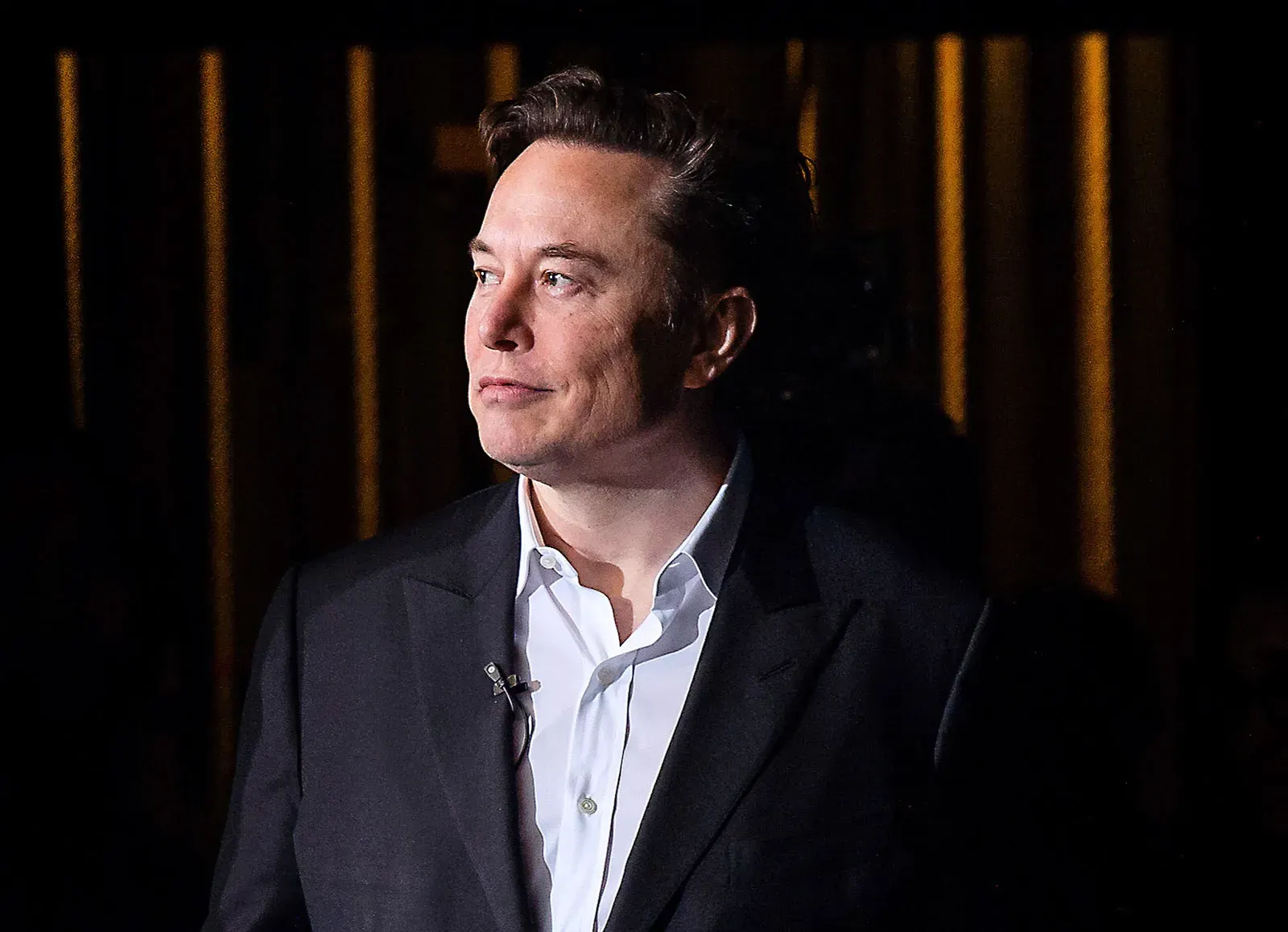
Elon Musk remains the richest person on the planet, and the distance between him and everyone else defines the list. Forbes puts his fortune at $869 billion, down $68 billion in a month, yet still larger than the next three richest people combined.
The foundation of that wealth is SpaceX, which went public on June 12 and made Musk the first trillionaire. SpaceX also absorbed his AI company xAI in February. He holds about 38% of SpaceX and nearly 11% of Tesla, and Forbes leaves restricted Tesla shares out of its total.
Bloomberg’s index showed him at roughly $899 billion on November 10, a gap that shows how much methodology matters at this scale. SpaceX and Tesla have formed committees to examine a possible merger, a move that would tie his two largest holdings together.
2. Jeff Bezos — $361 billion
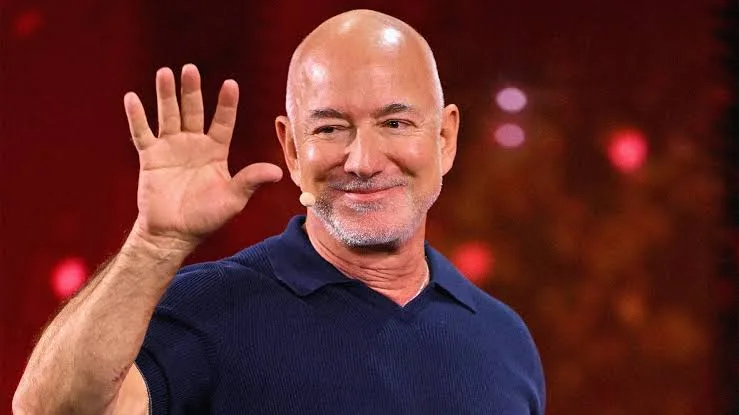
Jeff Bezos took the No. 2 position from Larry Page in September, lifted by private valuations rather than Amazon’s share price.
Blue Origin, of which he owns more than 93%, recently raised $10 billion at a $140 billion valuation. Prometheus, the AI startup he co-leads, is valued at $41 billion, with Forbes estimating his stake near 20%.
Amazon still matters, since he holds about 8% of the company, but the mix is shifting. The practical implication: a growing share of Bezos’s net worth rests on funding-round marks, which are less liquid and less verifiable than a public ticker.
3. Larry Page — $233 billion
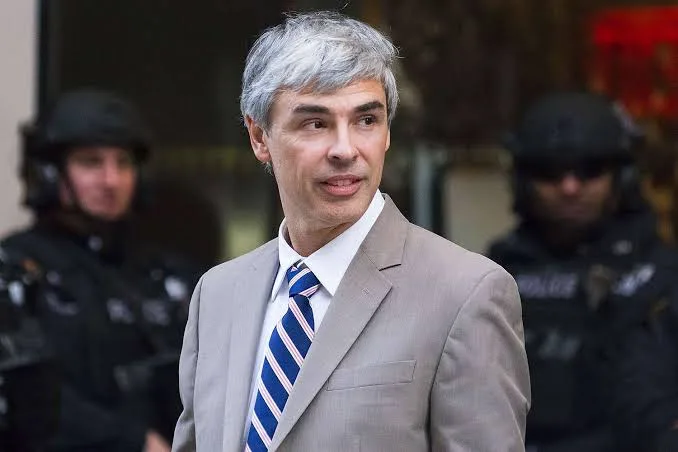
Larry Page has had the roughest recent stretch among the top three, with his fortune falling $53 billion in a month and about $59 billion since the Forbes August 1 snapshot of $292 billion.
He remains a board member and controlling shareholder of Alphabet, so his wealth moves almost entirely with Google’s stock.
Page is reportedly working on Dynatomics, an AI manufacturing startup. A federal judge also ruled that Google does not have to sell Chrome, removing one of the largest structural threats to the business that underpins his fortune. He recently moved to Florida.
4. Michael Dell — $229 billion
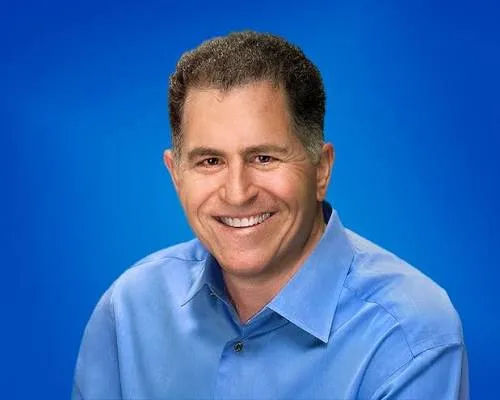
Michael Dell is the clearest winner of the AI hardware cycle among the older generation of founders. Forbes had him at $138 billion in early January, ranked 12th. He now sits fourth at $229 billion, even after a $40 billion monthly decline.
The driver is the data center business at Dell Technologies, fueled by demand tied to the AI buildout, and Bloomberg reported his wealth up 81% this year through September.
His fortune also includes about 39% of the proceeds from VMware’s $69 billion sale to Broadcom. In December, he and his wife committed $6.25 billion to Trump Accounts for 25 million children.
5. SB — $214 billion
SB has returned to help shape Alphabet’s AI strategy, including Gemini. Forbes lists his fortune at $214 billion, down $49 billion in the past month.
His giving and politics are drawing as much attention as his wealth. He recently gifted $1.1 billion in Alphabet stock, mostly to his nonprofit Catalyst4, and has spent more than $100 million opposing California’s proposed billionaire wealth tax. He also changed his voter registration to Nevada.
Readers tracking tax policy will find SB a useful case study in how the ultra-wealthy respond to proposed levies on paper fortunes.
6. Mark Zuckerberg — $211 billion
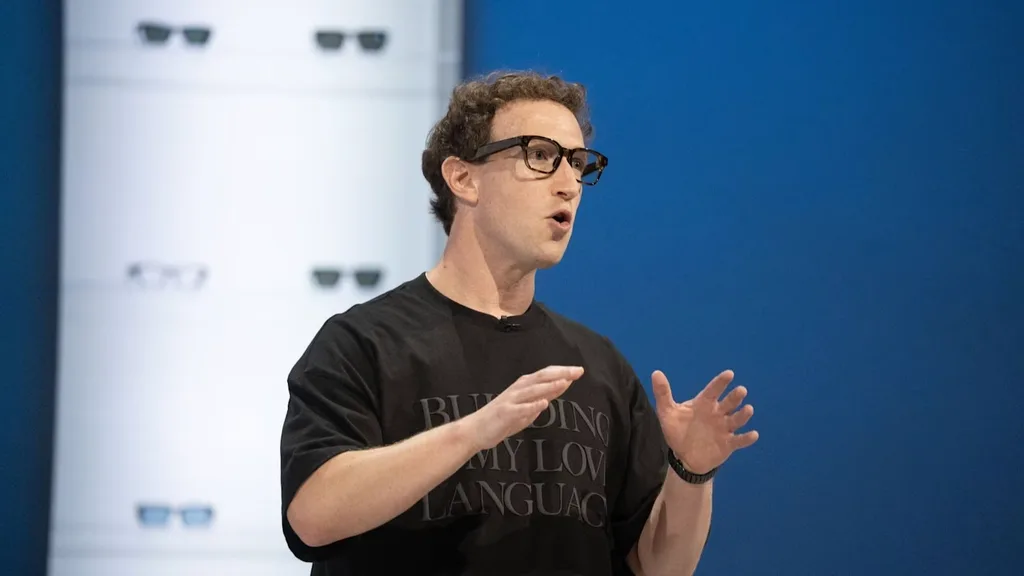
Mark Zuckerberg founded Facebook in 2004 and still runs Meta, where he owns about 13%. Forbes estimates his fortune at $211 billion, down $40 billion in a month.
Bloomberg noted that Meta shares rose 27% in September, their best month in almost four years, which illustrates how sharply the stock swings.
Meta’s board approved a new class of non-voting shares that Zuckerberg can sell without diluting his voting power, a structure that lets him convert wealth to cash while keeping control.
Meta also agreed to an $18 billion settlement with 29 states over child safety claims, a reminder of the regulatory cost attached to the platform. He has announced that he is staying in California.
7. Jensen Huang — $178 billion
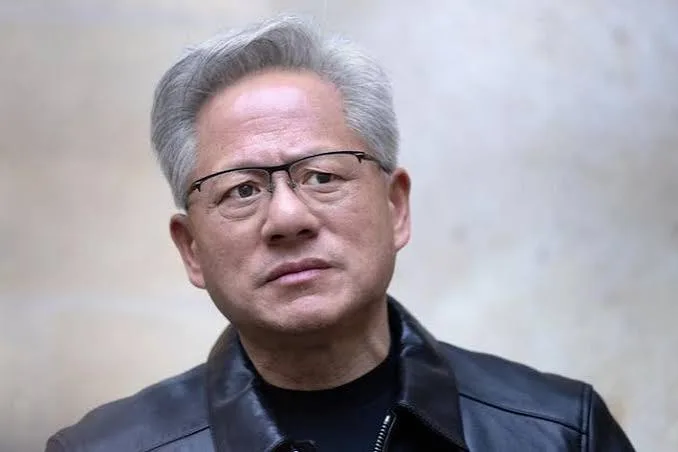
Jensen Huang cofounded Nvidia in 1993 and has led it ever since, holding only about 3% of the company.
This small stake still supports a $178 billion fortune because Nvidia became the first company valued at $5 trillion in October 2025. Forbes shows his wealth down $22 billion in the past month.
The New York Times reported that US intelligence officials believe a Chinese businesswoman close to Huang passed information to Beijing. Nvidia says its dealings with her were routine.
8. Larry Ellison — $172 billion
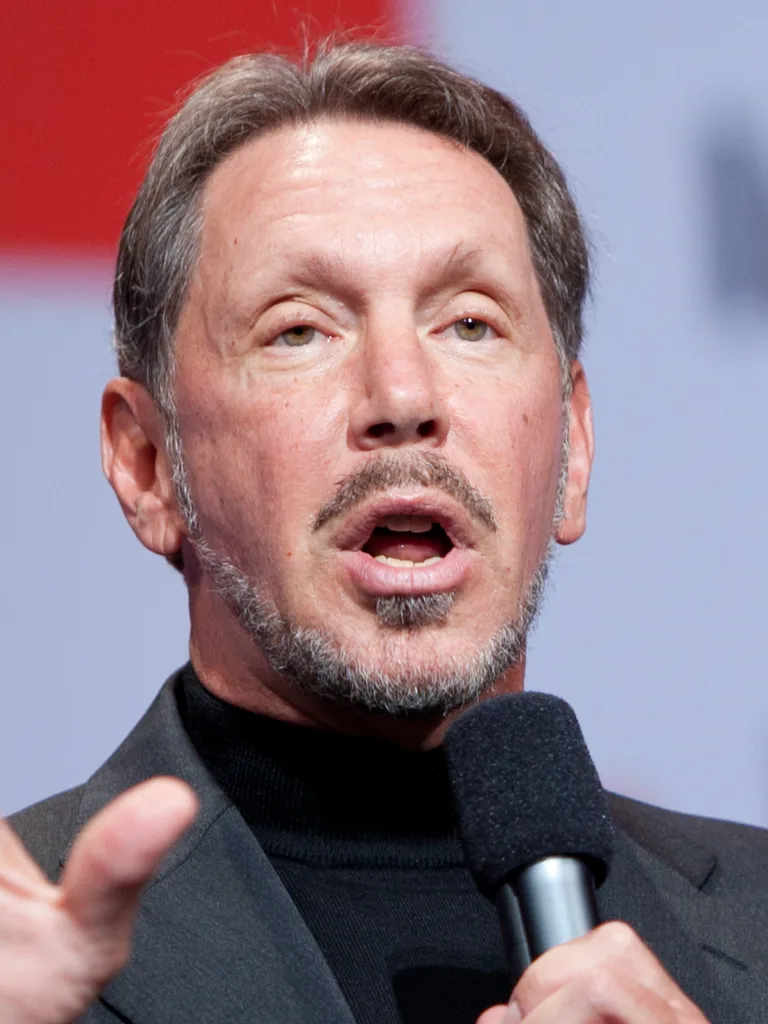
Larry Ellison illustrates the risk of a fortune built on a single AI-linked stock. His wealth briefly crossed $400 billion in September 2025 before sliding to about $190 billion within six months, and Forbes now puts it at $172 billion.
Oracle’s shares are roughly half their 2025 peak, and Bloomberg has tied the broader pullback in billionaire wealth to concerns over the debt-fueled AI expansion of bellwethers such as Oracle.
Away from the stock, Ellison and his son David Ellison helped close Skydance’s $110 billion acquisition of Warner Bros. Discovery. Larry Ellison owns the Hawaiian island of Lanai and is now a Florida resident.
9. Steve Ballmer — $162 billion
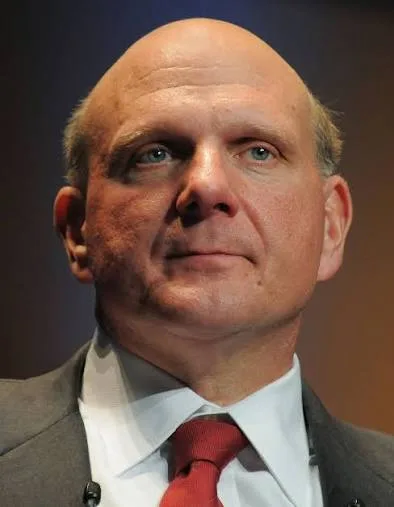
Steve Ballmer is the only member of this group who did not found his company. He led Microsoft as CEO from 2000 to 2014 and still holds much of his stock.
Forbes lists his fortune at $162 billion, up $1 billion as Microsoft shares rose 2%, making him one of only two gainers in the overall top ten this month.
He owns the LA Clippers, which Forbes values at about $7.8 billion, and has given away more than $6.5 billion. The NBA fined Ballmer $30 million and suspended him for one year over salary cap violations, and the team lost five first-round draft picks.
10. Bill Gates — $106 billion
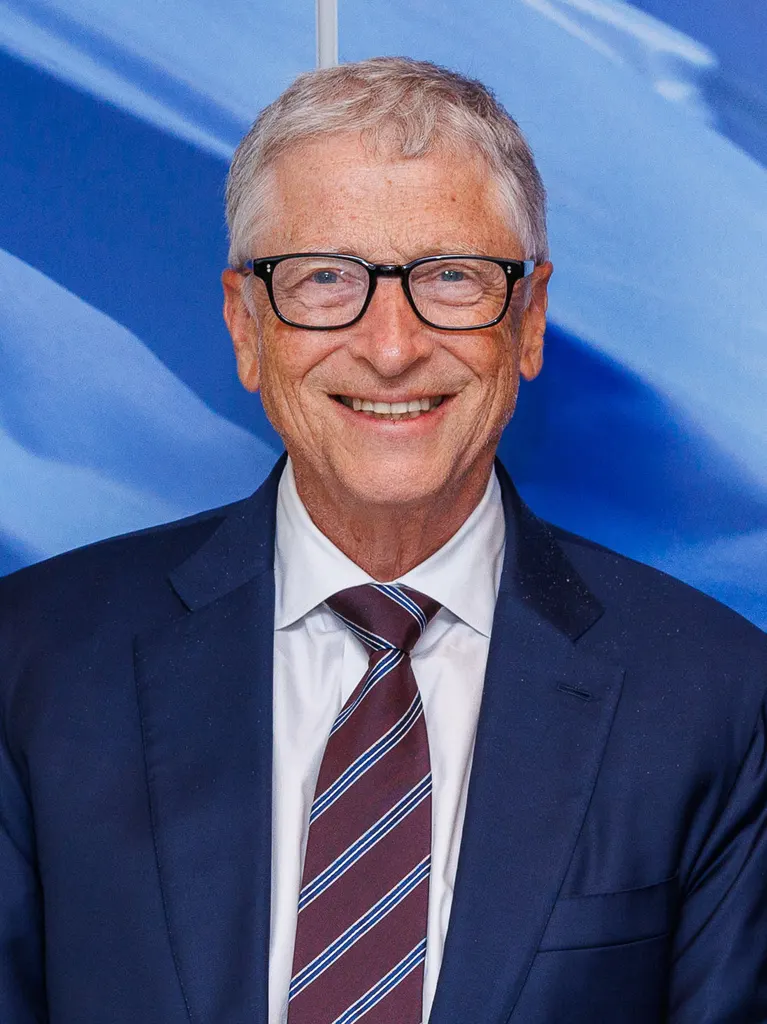
Bill Gates completes the tech ten at roughly $106 billion, based on the Forbes estimate in late July, which placed him 19th overall.
He is the list’s outlier: his personal Microsoft stake is below 1% of his fortune, and most of his wealth sits in Cascade Investment, a private holding company with stakes in companies such as Canadian National Railway, Deere and Ecolab. Foundation assets are not his personal money, a distinction that headlines routinely blur.
Gates dropped out of the Bloomberg top ten for the first time in July 2025, and his plan to give away most of his fortune keeps his ranking under pressure.
Binance founder Changpeng Zhao sits above him on the Forbes annual list, so the tech label itself is a judgment call. This ranking uses a conventional definition built around software and hardware companies.
What People Ask