How Brian Steel Became Hip-Hop’s Undefeated Lawyer After Young Thug and Lil Durk
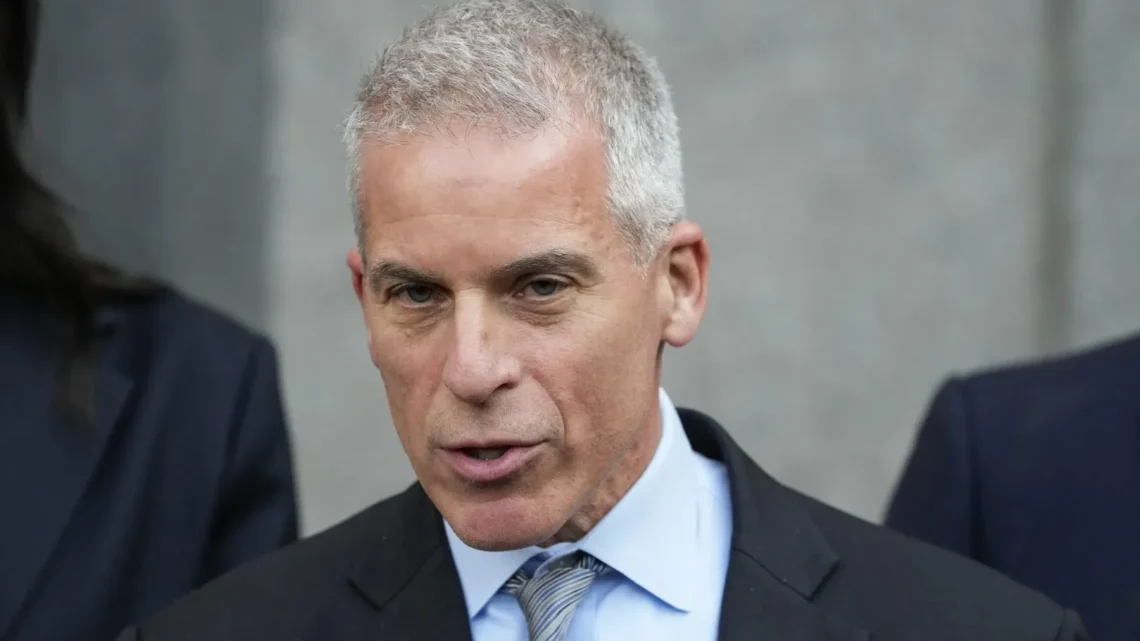
Brian Steel has now delivered two of hip-hop’s most consequential courtroom victories in the span of roughly two years. This run has turned the soft-spoken Atlanta defense attorney into arguably the most sought-after lawyer in the music industry.
Steel’s latest win came Friday, when a federal jury in Los Angeles found Grammy-winning rapper Lil Durk, whose legal name is Durk Banks, not guilty on all charges in a murder-for-hire case tied to a fatal 2022 shooting outside the Beverly Center.
Trending Now!!:
Prosecutors had accused Banks of orchestrating a plot to kill rival rapper Tyquian Bowman, simply known as Quando Rondo, in retaliation for the 2020 killing of Banks’ close friend, Chicago rapper Dayvon “King Von” Bennett.
The gunmen, prosecutors say, missed Bowman but killed his cousin, Saviay’a Robinson, in a hail of gunfire near the Los Angeles shopping center. After roughly three days of deliberation, jurors cleared Banks of every count, including conspiracy, stalking and two murder-for-hire-related charges. Two of his co-defendants, Deandre Wilson and David Lindsey, were convicted of stalking resulting in Robinson’s death.
Steel’s presence on Banks’ defense team traces back to Young Thug, the Atlanta rapper born Jeffery Williams, whom Steel represented for more than two years in the sprawling YSL racketeering case in Fulton County.
Williams brought that case to a close in October 2024 with a non-negotiated guilty plea that resulted in his release after time served, a resolution widely credited to Steel’s handling of the trial. According to Williams, he personally connected Banks with Steel after the two rappers, who consider each other close friends, faced public speculation over who was funding Banks’ defense.

Williams addressed the matter directly on social media in May, writing that Steel would not have taken the case at all had Williams not vouched for Banks personally. Steel filed to join Banks’ legal team earlier this year, replacing attorney Jonathan Brayman and joining prominent Atlanta lawyer Drew Findling, who had represented clients including Donald Trump, Cardi B and Offset.
Steel’s role in Banks’ trial was substantial from the outset. He led a pointed cross-examination of Kasey Hester, known as OTF Jam, a former member of Banks’ Only the Family collective and one of three associates who pleaded guilty and testified for the government.
Steel confronted Hester with recordings of earlier interviews with law enforcement in which Hester reportedly said Banks had no involvement in the plot against Bowman, using those statements to undercut the account Hester gave on the stand.
Findling delivered the defense’s closing argument, telling jurors that anything short of a full acquittal would be a decision they would carry for the rest of their lives. The defense had pointed to Banks’ former assistant, Kavon Grant, who pleaded guilty in the case and whom the defense argued was the true architect of the plot, motivated by a desire to impress Banks.
The trial drew significant attention from within hip-hop and beyond. Musicians including Kanye West and Machine Gun Kelly were seen in the Los Angeles courtroom during proceedings, and NBA champion Quinn Cook appeared alongside Steel and Banks’ father in the trial’s closing days.
Reports also circulated that Drake and Ye contributed financially to Banks’ legal defense, with additional support said to have come from 21 Savage and Lil Baby. However, the extent of that support became a point of public dispute after radio personality Loren LoRosa pushed back on the claims during an appearance on The Breakfast Club, prompting Williams’ public clarification about his own role.
Steel’s career has been defined by a similar pattern of intensity and controversy across both of his highest-profile cases. During the YSL trial, Judge Ural Glanville held Steel in contempt of court and sentenced him to 20 days in jail after Steel refused to disclose how he had learned of an alleged secret meeting involving prosecutors, the judge and a key witness.
Steel was released within days after the Georgia Supreme Court unanimously overturned the contempt order, ruling that a different judge should have presided over the matter given Glanville’s direct involvement in the underlying dispute. Steel has said he was prepared to remain in custody rather than name his source, a stance colleagues have described as characteristic of his approach to defending clients.
A graduate of the University of Michigan and Fordham University School of Law, Steel began his career in 1991 as an assistant public defender in Fulton County before eventually founding his own practice.
Over more than three decades, he has built a record that includes work across state, federal and death penalty cases, along with numerous published appellate opinions. Colleagues have described him as disciplined and even-tempered, noting that he neither drinks nor smokes and avoids profanity even when reading it aloud from transcripts.
Banks is not yet fully clear of federal prosecution. He faces a second trial scheduled for October 5 on racketeering, murder and firearms charges stemming from the same broader investigation, meaning Steel’s work on his behalf is far from finished.
For now, though, the acquittal cements Steel’s reputation as the lawyer two of the genre’s most prominent artists turned to when facing the possibility of spending the rest of their lives in prison, and the one who, so far, has kept both of them out.