Meet Top 10 Richest TikTokers in the World
From Khaby Lame's app-breaking fortune to the D'Amelio sisters' separate brand empires, here is how TikTok's ten wealthiest creators actually built their money, and why the net worth figures attached to them rarely agree.
Khaby Lame leads the ranking of the world’s richest TikTokers with a net worth most credibly placed between $40 million and $80 million, followed by Charli D’Amelio, Addison Rae, and a cluster of creators who have converted viral fame into brand equity, product lines, and entertainment crossovers worth tens of millions of dollars.
TikTok has minted more self-made millionaires under the age of 25 than almost any platform in internet history.
Trending Now!!:
Still, the actual dollar figures attached to these creators vary enormously depending on the source. A single search for any name on this list returns net worth estimates that swing by tens of millions of dollars between outlets, and understanding why that happens is as useful to a reader as the ranking itself.
Most public net worth estimates for creators are not audited financial disclosures. They are modeled figures built from follower counts, publicly reported brand deal rates, and comparisons to similar creators, then adjusted by whichever outlet is publishing the list. This produces a strange but consistent pattern across the industry: a creator’s net worth on one site can be four times higher than the figure listed on another, with no new information separating the two.
Khaby Lame is the clearest recent example of how quickly these figures can shift. In January 2026, his company Step Distinctive, in which he held a 49 percent stake, was folded into a Hong Kong-based deal with Rich Sparkle Holdings valued on paper at close to $975 million, a transaction built around licensing his likeness and an AI avatar version of him for global e-commerce.
Within three months, the acquiring company’s stock had fallen more than 90 percent from its post-announcement high, collapsing the deal’s implied value and illustrating a lesson every serious observer of the creator economy eventually learns: a headline valuation tied to a single stock-swap deal is not the same thing as liquid net worth.

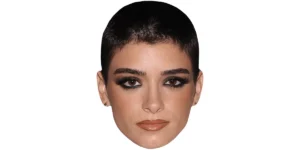
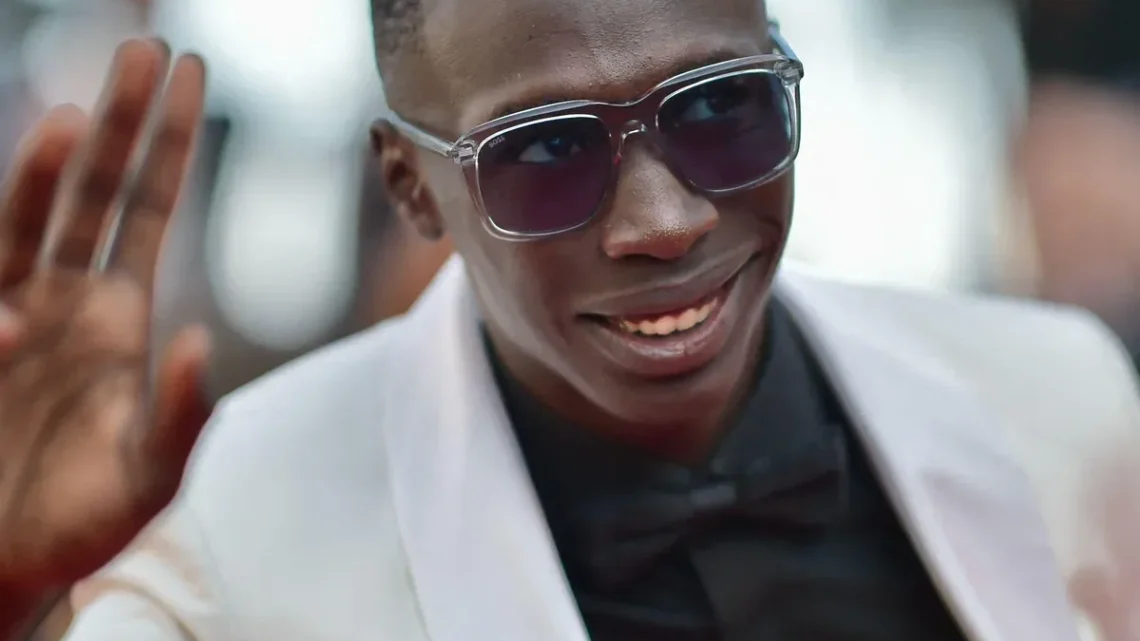
Stripped of that paper valuation, Khaby Lame’s fortune, built primarily on brand sponsorships reportedly averaging around $400,000 per TikTok post, sits in the $40 million to $80 million range, still comfortably the largest of any TikTok-native creator.
TikTok’s own Creator Rewards Program pays out a modest $0.40 to $1.00 per 1,000 qualifying views, a figure so small that even a creator with 100 million followers earns a fraction of their income from the app’s native payouts.
The real fortunes on this list are built on four pillars layered on top of that base: branded content deals negotiated directly with companies, owned product lines that convert an audience into a customer base, equity stakes in ventures the creator helped launch, and crossover deals into film, television, or music that TikTok fame made possible in the first place.
Every name below draws its wealth from some combination of these four, and the ranking reflects total net worth rather than annual TikTok income, since platform earnings alone would rank almost none of these creators in a meaningful order.
1. Khaby Lame — $40 Million–$80 Million
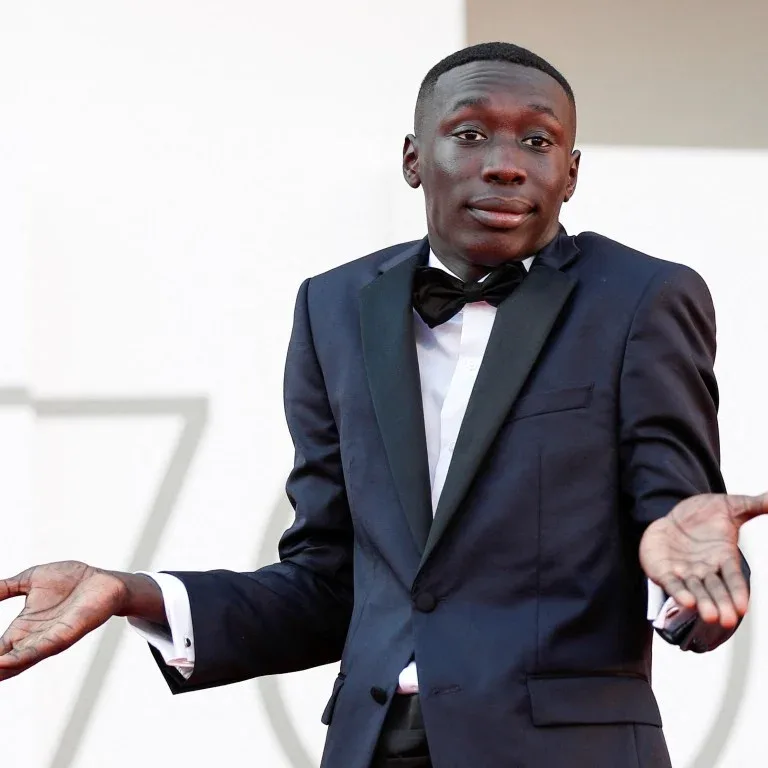
Khaby Lame built the single largest following in TikTok’s history, over 160 million followers, using a format almost devoid of traditional content production: silent, deadpan reactions to overcomplicated “life hack” videos. That simplicity became his commercial advantage.
Brands don’t need him to write a script or produce a set piece; they need his face and expression attached to a product, which is why his per-post brand rate is among the highest on the platform.
His 2026 attempt to convert that audience into a public-market asset through the Rich Sparkle merger did not survive market scrutiny. Still, the underlying sponsorship business behind it remains intact and continues to generate the bulk of his fortune.
2. Charli D’Amelio — $20 Million–$50 Million
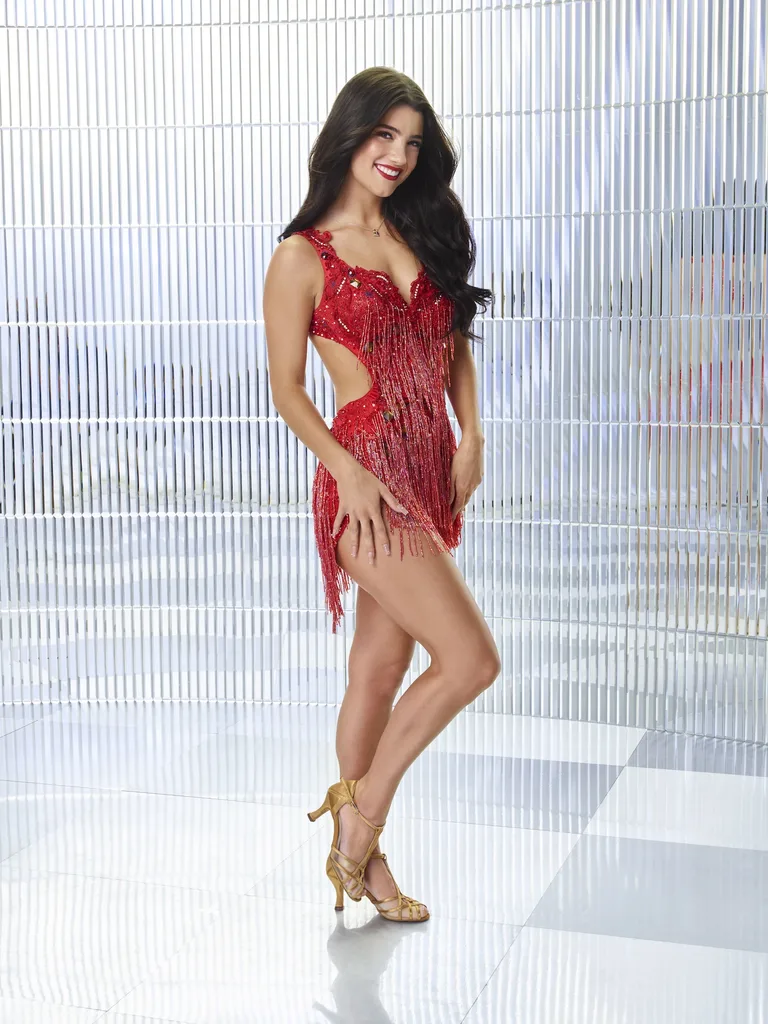
Charli D’Amelio was TikTok’s first breakout star and remains its most enduring one, having built a career that no longer depends on the dance trends that made her famous.
With her family, she co-founded D’Amelio Brands, an umbrella structure behind a sneaker line, a fragrance business, and startup investments, a deliberate shift from one-off sponsorships toward ownership.
She continues to collaborate with national brands including Dunkin’ and Hollister, but the structural difference between her business model and a typical influencer’s is direct equity, which is why her net worth estimate has proven more resilient over time than creators who rely on sponsorship income alone.
3. Addison Rae — $15 Million–$35 Million
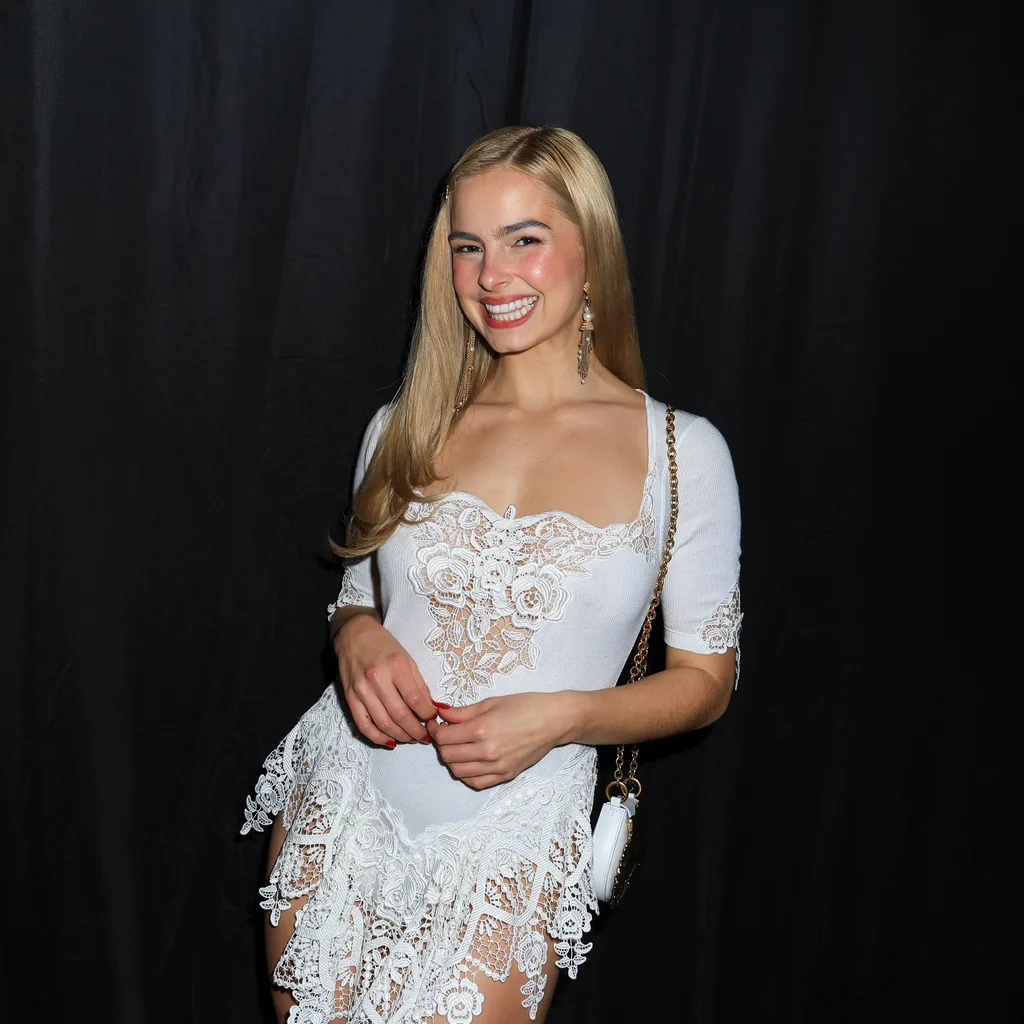
Addison Rae represents the clearest case of a TikTok creator successfully exiting the platform’s gravity and becoming a mainstream entertainment figure.
A multi-picture acting arrangement, a genuine pop chart presence built around the single “Diet Pepsi,” and fashion sponsorships with houses like Marc Jacobs and Saint Laurent now generate more of her income than TikTok content itself.
Her trajectory is instructive for the industry: dance-driven virality functioned as a launch pad rather than a long-term career strategy, and she recognized that shift earlier than most of her contemporaries.
4. Dixie D’Amelio — $15 Million–$30 Million
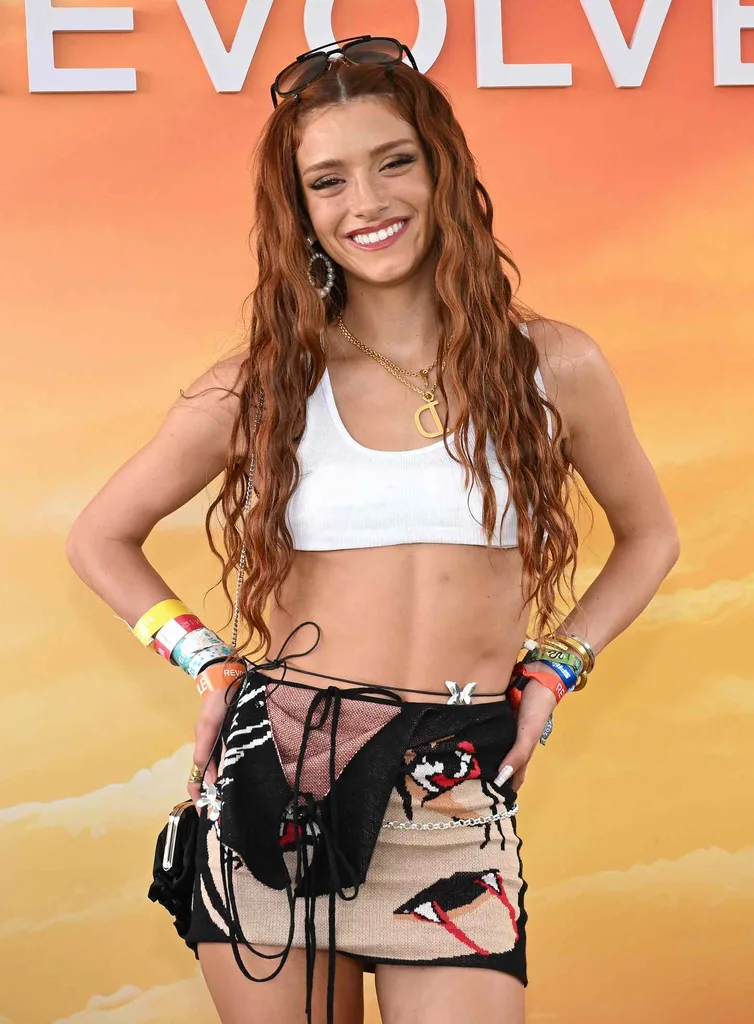
Dixie D’Amelio built a career distinct from her sister’s by pivoting into music and food entrepreneurship rather than competing in the same lane.
Her snack brand, Be Happy Snacks, co-founded in 2023, has become a durable revenue source independent of her content calendar, while acting roles and brand collaborations round out an income structure that increasingly resembles a small media company rather than a single creator account.
5. Zach King — $10 Million–$15 Million
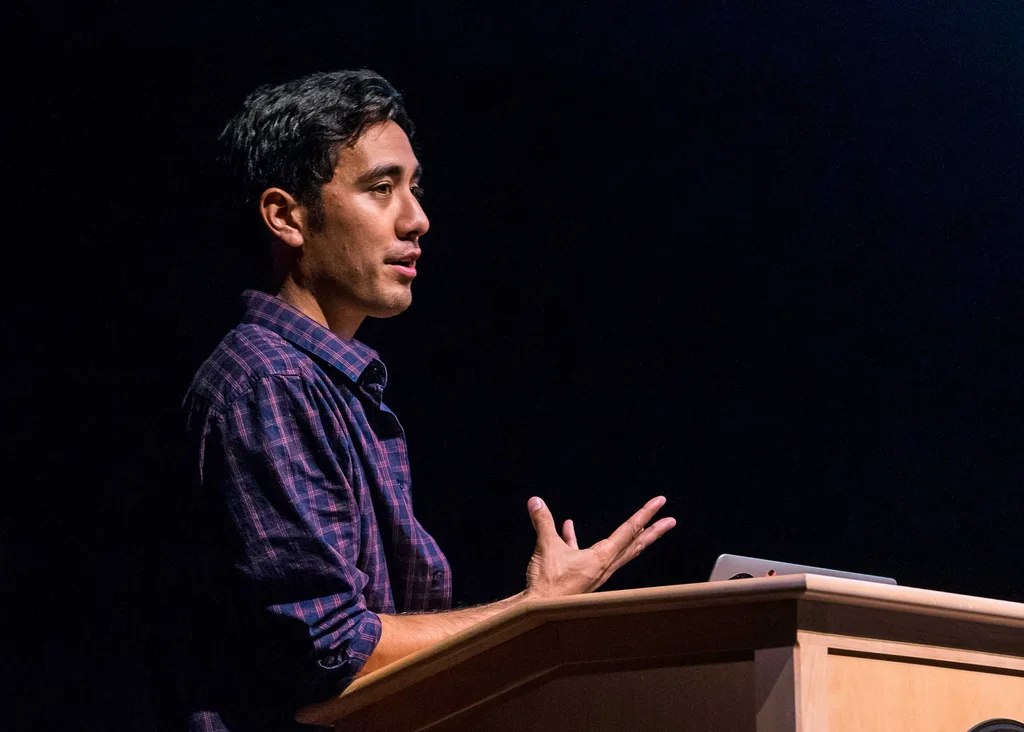
Zach King predates TikTok entirely, having built his reputation on Vine and YouTube through meticulously produced illusion videos years before short-form video became a cultural default.
That head start shows in the caliber of his brand relationships: companies including Disney and Apple commission him for bespoke visual campaigns with production budgets that treat him more like an in-house creative studio than a typical sponsored creator.
His 2019 broomstick illusion video, which surpassed two billion views and held the Guinness World Record for the most-viewed TikTok video, remains one of the platform’s defining pieces of content and continues to anchor his reputation as its most technically skilled creator.
6. Bella Poarch — $12 Million–$16 Million
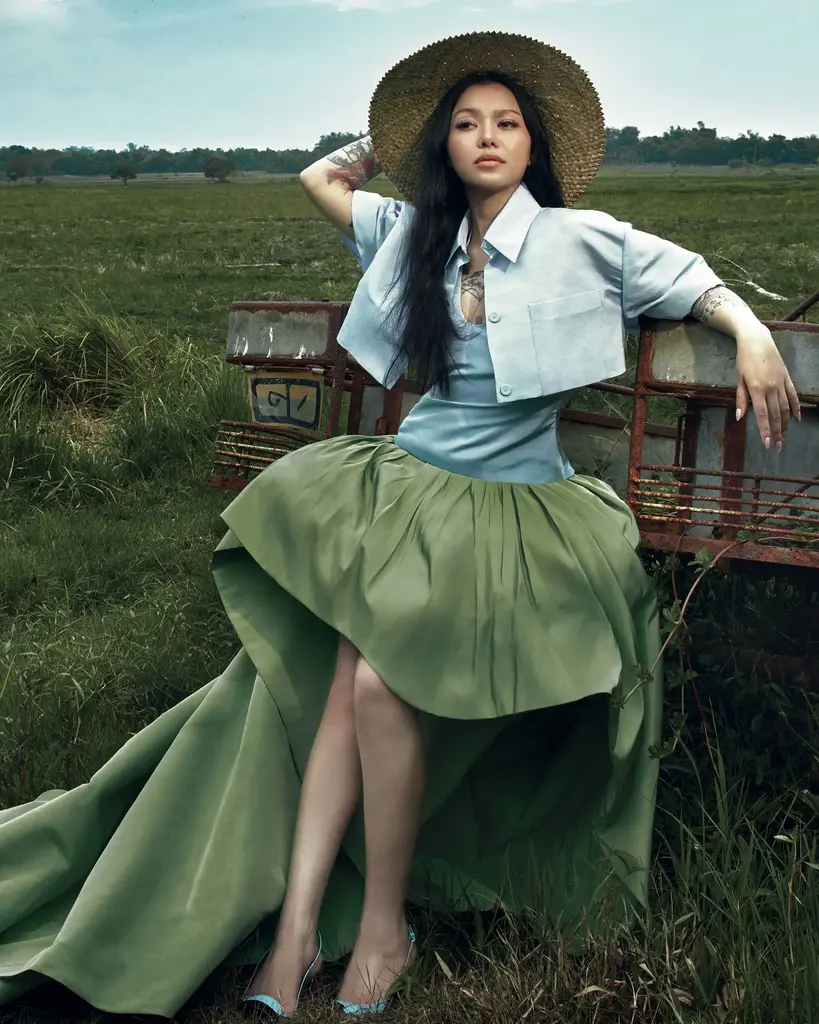
Bella Poarch turned a single 2020 lip-sync clip set to Millie B’s “M to the B” into one of the fastest rises to platform-wide fame TikTok has produced.
Her income today is more diversified than the viral clip suggests, spanning music releases, ASMR content, and per-post brand rates reported to exceed $30,000, positioning her among the platform’s highest per-post earners even without the equity-heavy business ventures some peers above her have pursued.
7. Kimberly Loaiza — $8 Million–$12 Million
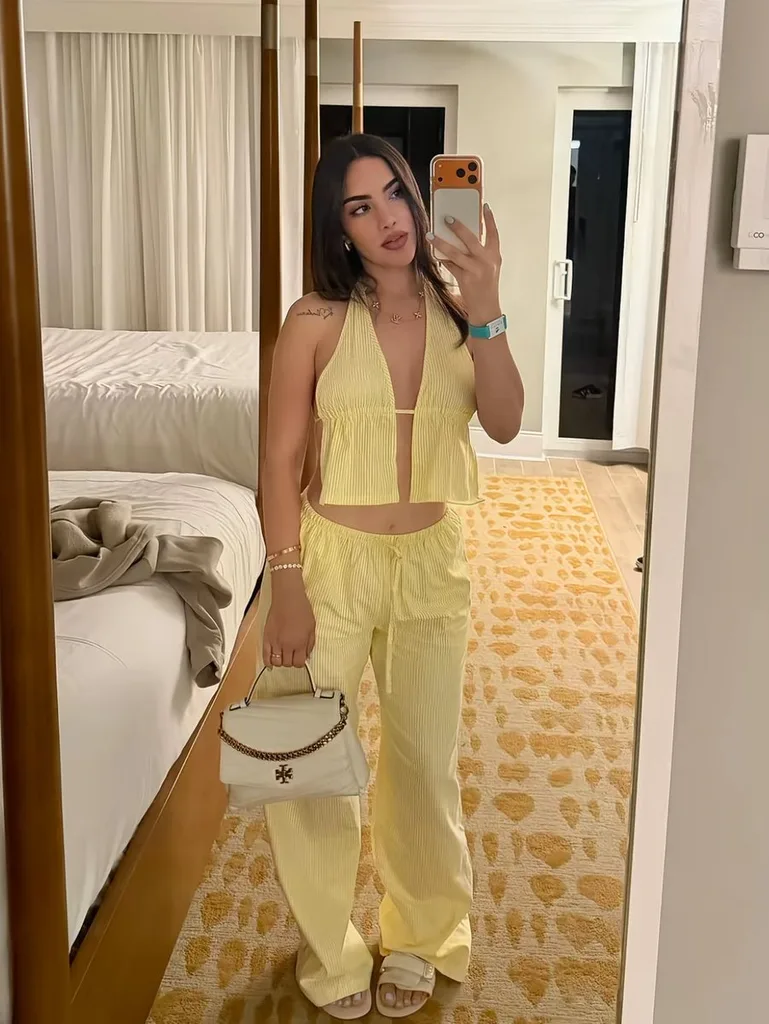
Kimberly Loaiza is the dominant Spanish-language creator on this list and one of the most commercially significant TikTok stars entirely outside the English-speaking market.
Her combined TikTok and YouTube presence across Latin America has made her a preferred partner for brands targeting that region specifically, and her music career, built on the back of her content audience rather than the reverse, adds a second income stream most lip-sync-first creators never develop.
8. Michael Le — $8 Million–$13 Million
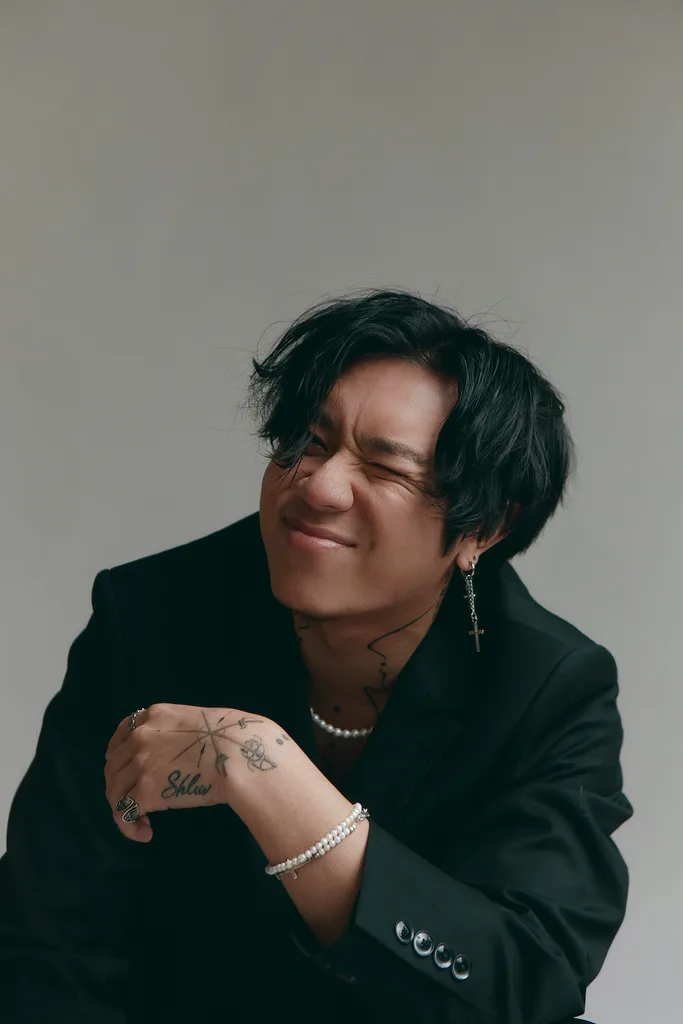
Michael Le, known for leading the dance collective content associated with the handle Just Maiko, represents the choreography-first branch of TikTok’s economy.
His net worth reflects a steadier, less headline-driven accumulation than the crossover stars above him, built on consistent brand partnerships tied to dance and fitness apparel rather than a single viral moment or entertainment-industry pivot.
9. Spencer X — $6 Million–$10 Million
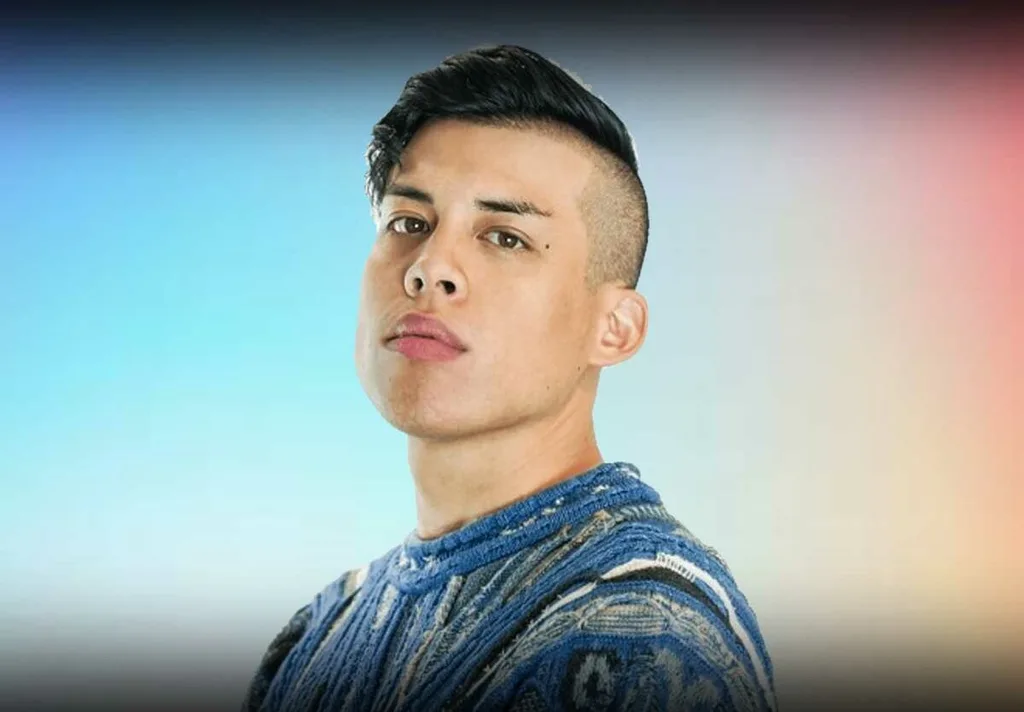
Spencer X built his following on beatboxing and vocal percussion content, a niche within TikTok’s short-form format that translated unusually well into commercial partnerships with audio and tech brands.
His case is a useful reminder that the platform’s wealthiest creators are not exclusively dancers, comedians, or lip-sync performers; a genuinely differentiated skill, executed consistently, can support a sustainable seven-figure business without ever requiring a Hollywood pivot.
10. Josh Richards — $5 Million–$10 Million
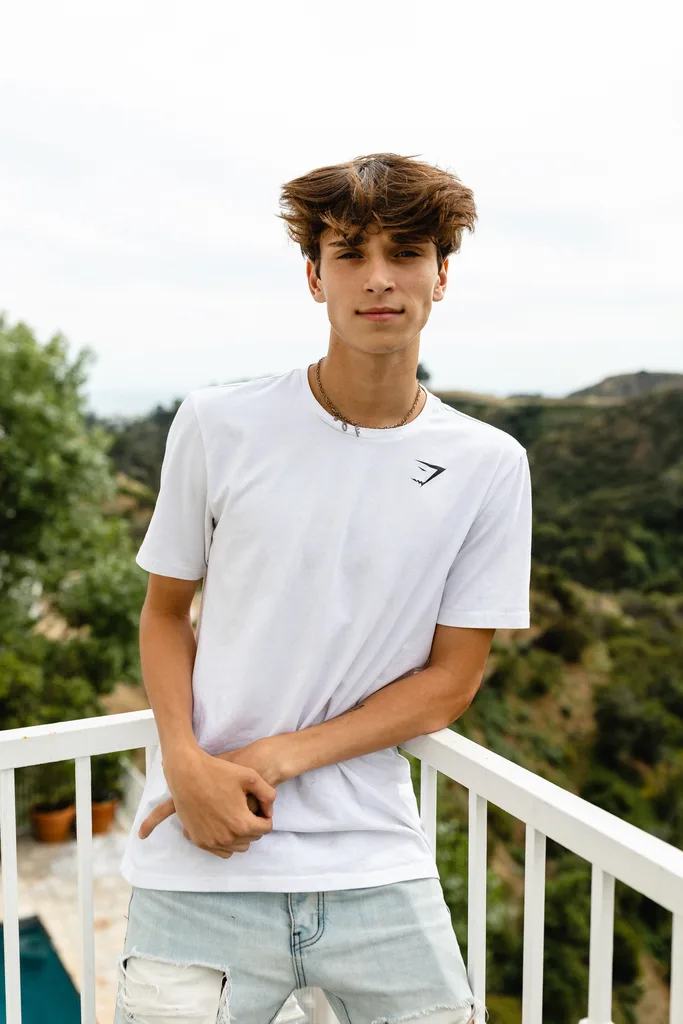
Josh Richards is the outlier on this list because his wealth is weighted more toward business ownership than content income.
A member of TikTok’s earliest wave of creators dating back to the platform’s Musical.ly era, he moved early into the investment and startup side of the creator economy, including ventures under TalentX Entertainment and later Animal Capital, betting on other creators’ businesses rather than relying solely on his own content output.
His inclusion on this list underscores a trend that is likely to define the next generation of TikTok wealth: creators who treat their platform fame as a fundraising and networking asset rather than an end product in itself.
What the List Actually Reveals
A pattern emerges once these ten fortunes are placed side by side. The creators with the most durable and highest-verified net worth figures, Khaby Lame, Charli D’Amelio, and Addison Rae, are precisely the ones who diversified away from TikTok’s native monetization tools fastest, whether through equity, film and music deals, or licensing arrangements.
Creators who remained dependent on brand sponsorship income alone, however substantial, tend to occupy the lower half of the ranking and are more exposed to the platform-specific risks that have periodically threatened TikTok’s operating status in markets including the United States.
For a reader trying to model influencer wealth in any market, the more instructive metric is not follower count or even reported net worth, but how many of the four revenue pillars a given creator has actually built underneath their audience.
What People Ask