
Meet Top 10 Richest Lawyers in the World
From a Thai corporate lawyer's $2.2 billion investment portfolio to Judge Judy's television empire, the world's wealthiest attorneys prove that legal training can build fortunes far beyond the courtroom.
Legal practice has a reputation as a reliable path to upper-middle-class comfort, not a route to billionaire status.
This reputation obscures a smaller, more interesting story: a handful of attorneys have used litigation verdicts, corporate equity, media platforms, and entertainment dealmaking to build fortunes that rival tech founders and hedge fund managers.
Trending Now!!:
The ten wealthiest lawyers in the world span three continents and five very different business models, from a Thai corporate attorney who quietly built a $2.2 billion fortune through strategic investing, to trial lawyers whose single career-defining verdicts generated hundreds of millions in contingency fees.
The world’s richest lawyers built their fortunes primarily through mass tort litigation, equity stakes earned as corporate counsel, and media or entertainment ventures launched after establishing courtroom credibility, rather than through hourly billing. Their estimated net worths range from roughly $65 million to $2.3 billion.
What separates these ten from the broader population of successful attorneys is not simply talent or a prestigious law school pedigree. It is the willingness, at some point in their careers, to stop functioning purely as outside counsel and start functioning as an investor, a media personality, or a business operator in their own right. Some built their wealth on a single landmark case.
Others compounded modest legal fees into diversified investment portfolios over decades. A few walked away from law altogether once their legal training had opened doors that pure practice never could. The list below ranks them by estimated net worth, drawing on the most recent publicly available figures, and examines exactly how each fortune came together.



1. Wichai Thongtang ($2.2 Billion)

Wichai Thongtang built his fortune the way few lawyers manage: by treating legal practice as the on-ramp to an investment career rather than the destination. He made his name representing major Thai corporations in commercial and regulatory matters, then redeployed that access and insight into equity stakes across healthcare, media, and industrial holdings.
The lesson for practising attorneys is instructive. Thongtang’s wealth did not come from a single blockbuster verdict or settlement; it came from decades of compounding returns on capital he accumulated through legal fees and then reinvested with the same discipline he applied to contract review.
This pattern, treating a law practice as a capital-generation engine rather than a career endpoint, separates the merely well-paid lawyers from the genuinely wealthy ones.
2. Charlie Munger ($2.3 Billion at Death)
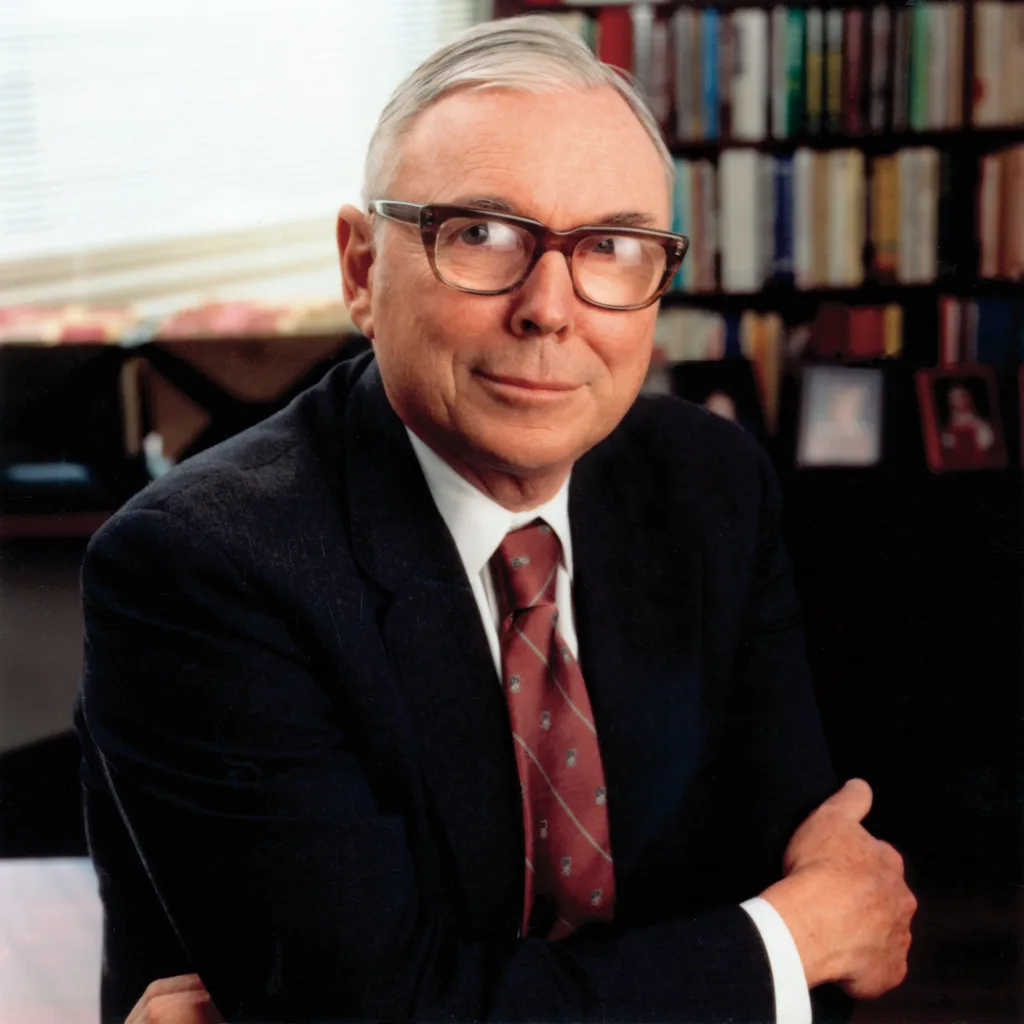
Charlie Munger earned a Harvard Law degree without ever completing an undergraduate program, practised real estate and transactional law in California through his own firm, Munger, Tolles & Olson, and then pivoted into investing alongside Warren Buffett at Berkshire Hathaway.
Munger died on November 28, 2023, at age 99, just weeks shy of his 100th birthday, and his fortune remained anchored primarily in Berkshire stock rather than legal fees.
Munger’s career underscores a pattern that recurs throughout this list: the biggest legal fortunes rarely stay purely legal. His firm still bears his name, and his early litigation work funded the capital he later used to build one of the most successful investment partnerships in modern financial history.
Legal training gave him the contract-reading discipline and risk analysis instincts that shaped his investment philosophy for six decades.
3. Richard “Dickie” Scruggs ($1.7 Billion)

Richard Scruggs made his fortune in Mississippi by pioneering mass tort strategies against asbestos manufacturers before turning his firepower on the tobacco industry in the 1990s.
His work contributed to the historic 1998 Tobacco Master Settlement Agreement, in which major tobacco companies agreed to pay states more than $200 billion over 25 years, and Scruggs collected hundreds of millions in contingency fees from that settlement alone.
His story also carries a cautionary dimension that trade publications rarely emphasize enough: Scruggs later pleaded guilty to conspiracy to bribe a judge in an unrelated fee dispute and served roughly five years in federal prison before his release in 2014.
His net worth estimate reflects fortune built at the height of his litigation career, not a static current balance sheet, a distinction that matters when readers compare these figures against contemporary billionaires with liquid, verifiable holdings.
4. Joe Jamail ($1.7 Billion at Death)
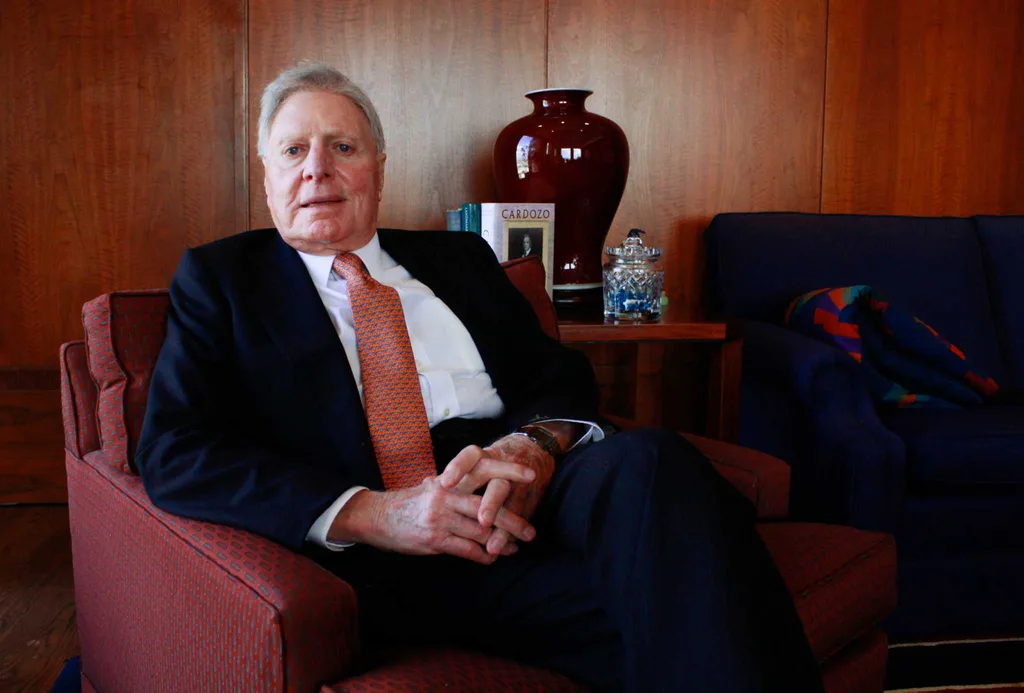
Joe Jamail earned his nickname, “The King of Torts,” by winning what remains one of the largest civil verdicts in American legal history: the 1985 jury award of $10.53 billion against Texaco in the Pennzoil v. Texaco dispute over a failed merger agreement. Jamail’s contingency fee from that single case alone ran into the hundreds of millions of dollars.
Jamail practised out of Houston for decades, specializing in personal injury and business litigation, and remained active in philanthropy at the University of Texas until his death in December 2015.
His career illustrates why contingency-fee litigation, despite its higher risk profile compared to hourly billing, produces the outsized fortunes that dominate this list. A single career-defining verdict can generate more wealth than decades of billable hours ever could.
5. Bill Neukom ($450 Million)

Bill Neukom served as Microsoft’s first general counsel starting in 1985, building the company’s legal department from five attorneys to more than 600 during his 17-year tenure defending the company’s intellectual property and steering it through landmark antitrust litigation with the U.S. Department of Justice.
His equity stake in Microsoft was valued at roughly $107 million when he departed the company in 2001, and it appreciated substantially in the years that followed.
Neukom later served as president of the American Bar Association and as managing general partner of the San Francisco Giants during the team’s 2010 World Series championship, its first since relocating to California in 1958.
He died on July 17, 2025, at age 83. His trajectory represents a different wealth-building model from the trial lawyers on this list: general counsel roles at high-growth companies can generate fortunes through equity compensation that rival what litigators earn through contingency fees, particularly for lawyers who join before an initial public offering.
6. Judith Sheindlin ($580 Million)

Judith Sheindlin, known globally as Judge Judy, practiced family law and served as a New York family court judge before Judge Judy premiered in 1996 and became the highest-rated court show in daytime television.
At her peak, she earned a reported $47 million annually, and in 2017 she sold the rights to her 5,200-episode library to CBS for approximately $100 million while retaining creative control through her production company, Rebel Entertainment Productions.
Estimates of her current fortune vary considerably across sources, ranging from roughly $290 million to $580 million depending on how real estate holdings and production royalties are valued.
What is not in dispute is that Sheindlin remains the clearest example on this list of a lawyer who converted courtroom credibility into a media brand, later extending her run with Judy Justice on Amazon’s streaming platform after stepping away from her original show in 2021.
7. Robert Shapiro ($100 Million to $250 Million)
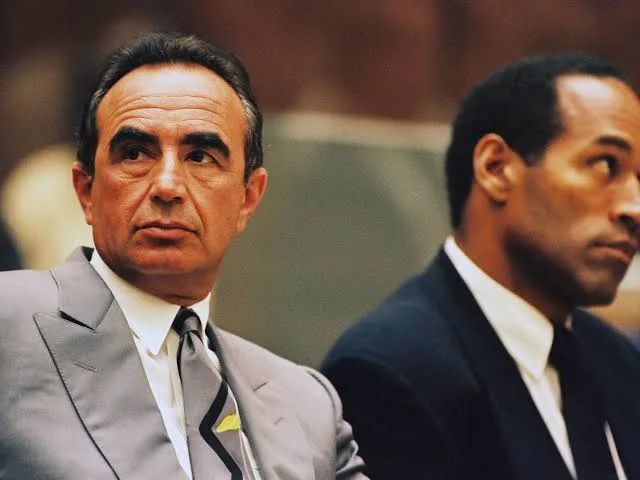
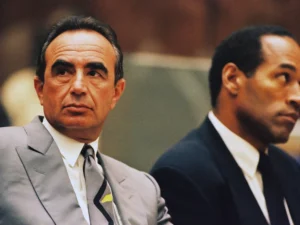
Robert Shapiro built his early reputation as a criminal defense attorney representing high-profile clients before joining O.J. Simpson’s so-called “Dream Team” during the 1995 murder trial, a case that made him a household name and opened the door to television commentary and celebrity legal work.
He continued practicing civil and criminal law at Glaser Weil Fink Howard Jordan & Shapiro LLP.
Shapiro’s larger financial breakthrough came in 2001 when he co-founded LegalZoom, a company that reshaped the market for consumer legal services by offering online document preparation at a fraction of traditional attorney fees.
LegalZoom’s growth into a publicly traded company with a multibillion-dollar valuation transformed Shapiro’s net worth far beyond what courtroom fees alone could have produced, and it stands as the clearest legal-tech disruption success story among the lawyers on this list. Following the 2005 death of his son Brent from a drug overdose, Shapiro founded the Brent Shapiro Foundation for drug prevention awareness.
8. Willie E. Gary ($215 Million)
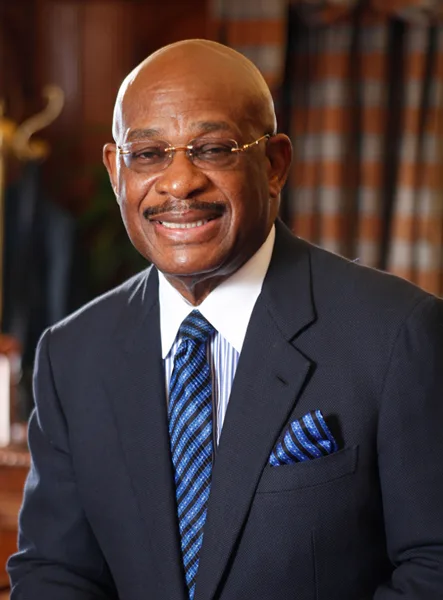
Willie E. Gary rose from a sharecropping family in Florida to become one of the most successful personal injury and mass tort attorneys in the United States, founding the firm Gary, Williams, Parenti, Watson, Gary & Gillespie in 1979 as one of the first Black-owned law firms in the state.
Gary built his reputation on aggressive courtroom tactics against major corporations, most notably a $500 million punitive damages verdict against the Loewen Group in a funeral home business dispute that later settled for $175 million.
This case became the basis for the 2023 film “The Burial,” which introduced Gary’s story to audiences far outside legal circles. His firm’s flamboyant style, including Gary’s ownership of a private Boeing 737, reflects a broader marketing philosophy among elite plaintiff’s attorneys: visible success signals litigation firepower to prospective clients, functioning as advertising as much as personal indulgence.
9. John Branca ($100 Million to $200 Million)
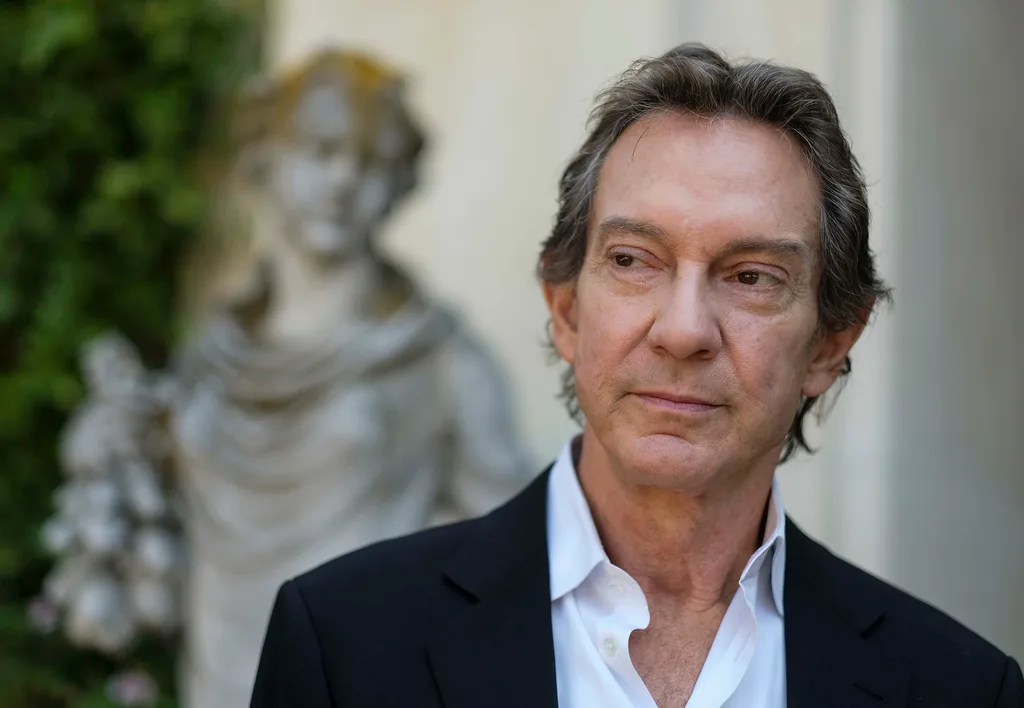
John Branca has represented more than 30 Rock and Roll Hall of Fame acts over a four-decade career at Ziffren Brittenham LLP, including The Rolling Stones, Aerosmith, Fleetwood Mac, and the Bee Gees.
Still, his defining legacy is his stewardship of the Michael Jackson estate. Named co-executor of Jackson’s estate in 2002, Branca took charge within days of the singer’s June 2009 death and confronted roughly $500 million in debt.
Rather than liquidating Jackson’s catalog to cover creditors, Branca pursued a long-term intellectual property strategy that has since generated more than $2 billion in estate value and over $3 billion in cumulative earnings through catalog licensing, the Cirque du Soleil production “Immortal,” the Tony-winning musical “MJ,” and the 2026 biopic “Michael,” which crossed $1 billion in worldwide box office and became the highest-grossing music biopic in history.
Branca’s career demonstrates how entertainment lawyers who move beyond transactional work into active estate and brand management can build fortunes that rival their celebrity clients.
10. Roy Black ($65 Million)

Roy Black built his career defending high-profile clients in Miami, most notably securing the 1991 acquittal of William Kennedy Smith on rape charges.
This case established him as one of the nation’s premier criminal defense attorneys. Black went on to represent a roster of entertainment and business figures over subsequent decades, commanding premium fees that reflected both his win record and his media visibility.
His fortune, more modest than the billion-dollar figures at the top of this list, still places him well ahead of the vast majority of practicing attorneys and illustrates the ceiling that criminal defense work, absent contingency fees or equity stakes, tends to produce compared to mass tort litigation or corporate dealmaking.
How These Fortunes Were Actually Built
Looking across all ten profiles, four distinct wealth-building paths emerge, and understanding them explains why some lawyers cross into billionaire territory while others, despite comparable prestige, top out in the tens of millions.
Mass tort and contingency litigation produced the largest fortunes on this list. Scruggs and Jamail both built billion-dollar wealth from a small number of career-defining cases rather than steady hourly billing, a reminder that contingency work carries asymmetric upside unavailable to lawyers billing by the hour.
Equity participation rivals litigation payouts. Munger and Neukom both converted legal roles into substantial equity positions in the companies they served, a path increasingly available to general counsel and outside counsel who negotiate stock compensation rather than pure cash fees, particularly at pre-IPO companies.
Media and brand conversion, exemplified by Sheindlin and Shapiro, shows that courtroom credibility translates into television and consumer platforms when a lawyer is willing to step outside traditional practice entirely.
Entertainment dealmaking, best represented by Branca, demonstrates that lawyers who move from transactional advising into active management of a client’s business and intellectual property can capture value far beyond standard legal fees.
None of these fortunes came from billable hours alone. Every lawyer on this list, at some point, stopped functioning purely as outside counsel and started functioning as an investor, an operator, or a brand in their own right. This shift, more than any single verdict or settlement, is what separates the merely successful attorney from the genuinely wealthy one.
What People Ask